

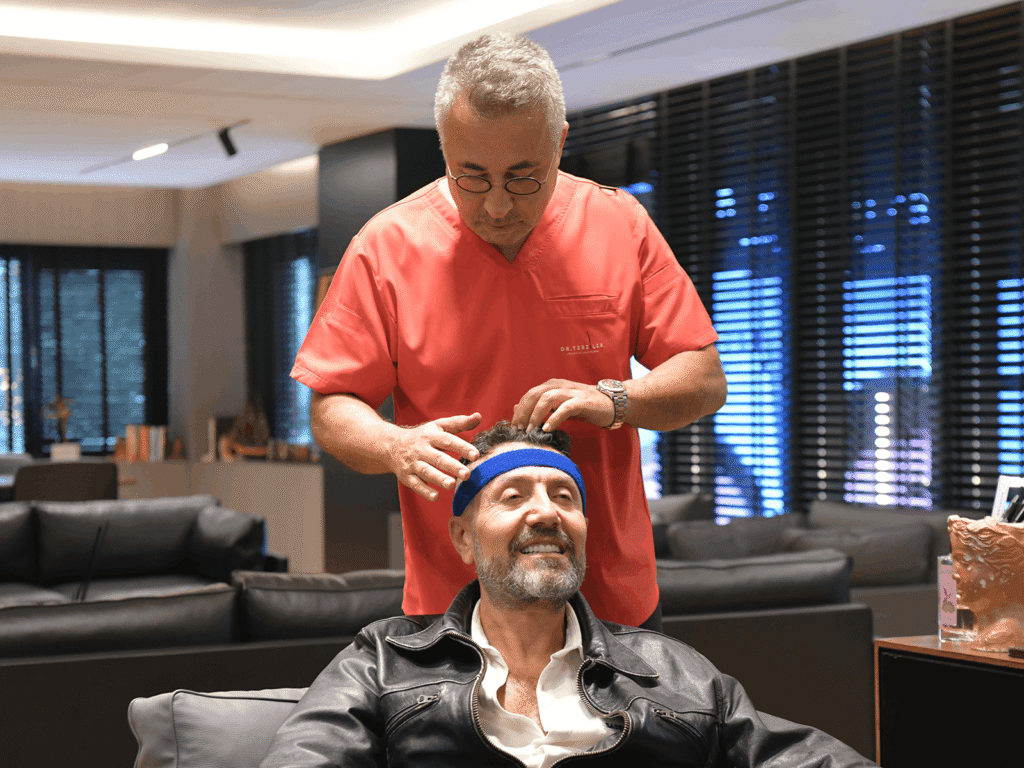
A hair transplant can be an incredible, life-changing procedure. When done right, it restores more than just your hairline—it brings back your self-esteem, frames your face natively, and completely rolls back the clock on genetic balding.
However, because hair transplantation has become a massively popular global industry, the market is flooded with low-cost “hair mills,” aggressive sales pitches, and filtered before-and-after photos that gloss over the medical realities.
Every year, thousands of patients experience deep post-operative regret. This regret rarely stems from the technology itself; it happens because patients enter the procedure with unrealistic expectations, choose clinics based solely on price, or fail to plan for their future hair loss.
If you want to ensure that you look back on your hair restoration journey with absolute satisfaction, here are the 5 clinical truths you absolutely must know before booking your surgery.
1. Your Donor Area is a Finite, Non-Renewable Resource
The single biggest misconception about hair transplants is that you have an infinite supply of hair to move around.
Your donor area—the strip of hair along the back and sides of your head that is genetically immune to balding—contains a limited number of seeds. When a follicle is extracted from the donor zone, it never grows back in that spot. It is permanently gone from the back of your head and relocated to the front.
The Regret Factor: If an inexperienced clinic aggressively overharvests your donor zone to hit a high graft count, they can leave the back of your head looking patchy, scarred, and completely see-through. Even worse, if you continue to lose hair later in life, you won’t have any donor reserves left to fix it. Protecting your donor zone is far more important than packing the front with unnecessary volume.
2. A High Graft Count Does Not Equal High Density
Many commercial clinics use “graft counts” as an aggressive marketing tool, convincing patients that a 5,000-graft surgery is automatically better than a 3,000-graft surgery. This is a dangerous trap.
In hair restoration, the raw number of extracted hairs matters far less than the graft survival rate. If a low-skill technician extracts 5,000 grafts but damages the delicate root structures or keeps them out of the body for too long, 40% of those follicles may die under the skin. You end up with poor density, wasted money, and a ruined donor area.
| Focus Metric | Low-Cost “Hair Mills” | Elite Medical Institutions |
| Primary Goal | Maximizing raw graft numbers for marketing sales. | Maximizing the lifestyle survival rate of every single follicle. |
| Surgical Pacing | Speed-running extractions to finish multiple patients a day. | Meticulous, gentle handling under high-magnification loops. |
| Long-Term Impact | High risk of donor depletion and patchy growth. | Preservation of donor reserves for future aging needs. |
3. The Surgery Fixes the Past, But Doesn’t Stop the Future
A hair transplant is a highly effective structural patch, but it is not a cure for genetic hair loss.
The hair follicles relocated from the back of your head are permanently immune to the balding hormone DHT, meaning they will grow for life. However, your native, original hair right behind the transplant is still genetically programmed to thin out over time.
If you get a hair transplant at age 23 and completely ignore your ongoing hair loss, you may find that by age 30, your transplanted hairline remains perfectly intact, but your native hair behind it has receded further. This creates an unnatural, detached look that requires a second surgery to fill in the new gaps. To avoid this, you must commit to a medical maintenance plan—such as specialized supplements, PRP therapies, or local stabilizers—to preserve your surrounding hair.
4. Unnatural Hairline Design is Incredibly Hard to Correct
A high-density hair transplant can still look awful if the hairline design is flawed. Designing a human hairline is a high-level artistic discipline, not just a straight mathematical line.
- The Angle and Direction: Human hair does not grow straight up and down like grass. It flows forward in subtle, swirling patterns and enters the skin at angles ranging from 10 to 45 degrees. If a surgeon implants grafts at a rigid 90-degree angle, your hair will look like a stiff, unnatural broom.
- The Micro-Irregularity: Natural hairlines are inherently imperfect and zig-zagged, composed exclusively of single-hair follicles at the very front edge. If a clinic accidentally places multi-hair grafts (units with 3 or 4 hairs) right at the front gate, it creates a harsh, artificial “doll-hair” effect that screams to the world that you had surgery.
5. Cheap Surgery Costs More in the Long Run
It is entirely natural to look for a good deal, but choosing a medical procedure based solely on a budget discount is the fastest path to lifetime regret.
Fixing a botched hair transplant through a “repair surgery” is significantly more expensive, painful, and structurally complicated than doing it right the first time. A repair surgeon has to meticulously extract badly angled hairs, scar-tissue zones, and work with a severely depleted donor area.
When you invest in a premium clinic, you aren’t paying for the physical blades or the chairs; you are paying for the artistic eye of the surgeon, the medical sterility of the suites, and a comprehensive post-operative tracking protocol that ensures your grafts actually survive.
Final Thoughts: Designing with Lifelong Foresight
The key to completely avoiding post-transplant regret is to shift your mindset from a quick cosmetic fix to a long-term medical journey. By respecting the limits of your donor area, looking past empty graft-count marketing, and choosing a clinic that prioritizes elite artistry over fast-paced volume, you guarantee a natural, dense result that will age beautifully alongside you.
At Dr. Terziler Clinic, our medical philosophy is built entirely around absolute transparency, structural preservation, and lifetime planning. We actively refuse the corner-cutting tactics of assembly-line clinics. By deploying advanced digital densitometry to map out your long-term hair loss trajectory, utilizing ultra-precise Sapphire FUE and DHI Choi Pen systems, and maintaining a strict 12-month post-operative medical tracking program, we ensure your donor hair is heavily protected. We don’t just fill in bald spots—we design timeless, high-density masterpieces that bring you permanent confidence without a single hint of regret.
Frequently Asked Questions (FAQ)
How can I tell if a clinic is a high-volume “hair mill”?
A hair mill typically exhibits several distinct red flags: they push aggressive, limited-time discount prices, quote massive graft numbers over the phone without a proper microscopic scalp analysis, and run multiple surgeries simultaneously. In these operations, the primary licensed doctor only drops in for 5 minutes to sketch a quick hairline, leaving the critical extraction and implantation phases entirely to unsupervised, low-skill assistants.
What is the ideal age to get a hair transplant to avoid future gaps?
While there is no perfect universal age, reputable surgeons generally discourage patients under the age of 21 or 22 from getting a transplant. In your late teens and early 20s, your genetic balding pattern is highly aggressive and completely unpredictable. Waiting until your mid-20s allows your hair loss baseline to stabilize, giving the medical team the data they need to design a hairline that remains seamless as you age.
If my donor area is overharvested, can it be repaired?
Repairing an overharvested donor area is incredibly challenging because dead or extracted follicles cannot grow back. However, a specialized clinic can improve the appearance of a thinned donor zone using two main methods: Scalp Micropigmentation (SMP), which uses medical-grade tattooing to create the illusion of hair shadows, or a highly strategic second transplant where body hair (like beard grafts) is carefully layered in to break up the scar visibility.
How long do I have to commit to hair loss maintenance therapies after surgery?
If you still have a significant amount of vulnerable, native hair on top of your head, you should continue maintenance therapies (like custom supplements, laser therapy, or routine PRP sessions) for as long as you wish to preserve that original hair. If you stop all preventative care, your transplanted hair will continue to grow permanently, but your surrounding native hair will resume its natural genetic thinning process over the following years.
Can a poorly designed, unnatural hairline be completely fixed?
Yes, a poorly designed hairline can be corrected, but it requires an incredibly skilled repair surgeon. The correction process typically involves two phases: first, using a microscopic FUE punch to carefully remove the incorrectly placed, thick “pluggy” grafts from the front row, and second, weaving ultra-fine, single-hair follicles ahead of that zone at flat, natural growth angles to create a soft, completely undetectable transition.