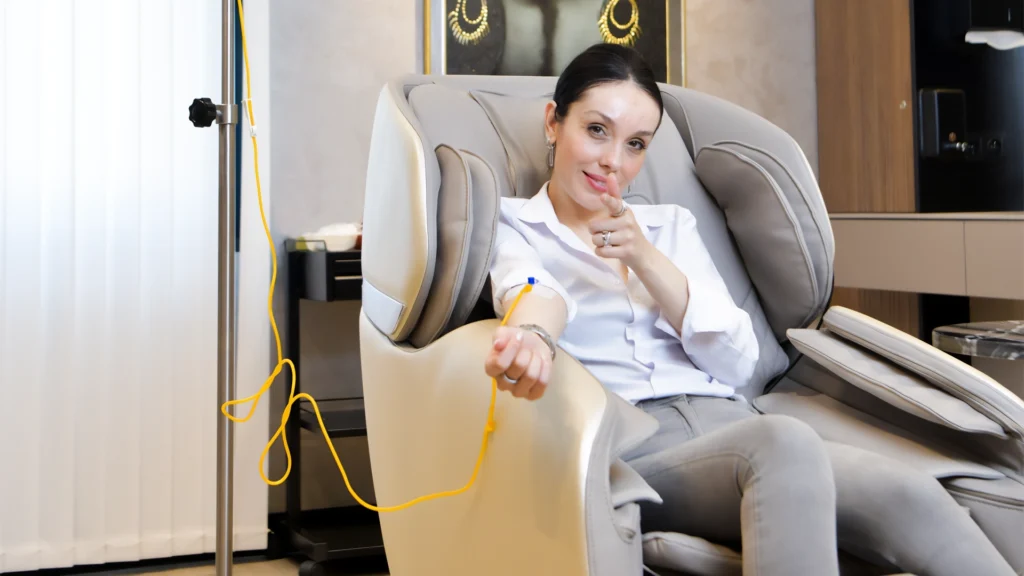

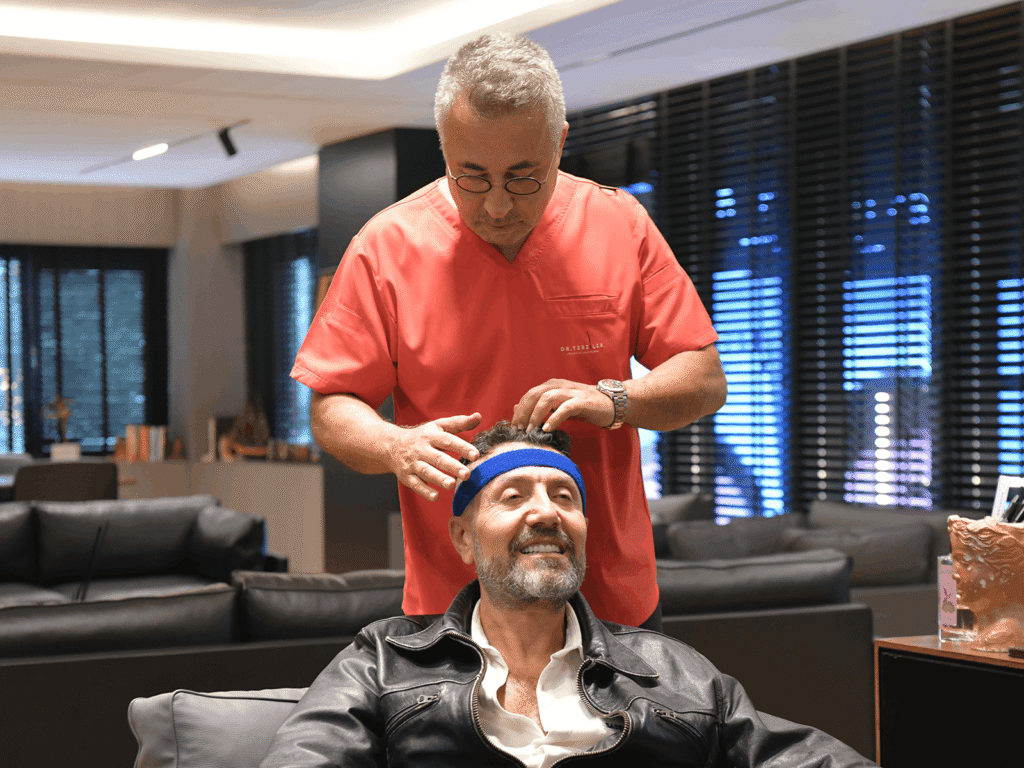
For anyone considering a hair restoration journey, one massive question often stands between them and their dream hairline: Is this going to hurt?
If you have a naturally low pain threshold or a deep fear of needles, watching surgical videos online can feel incredibly intimidating. The thought of thousands of microscopic incisions across your scalp is enough to make anyone feel anxious.
The straightforward clinical truth is this: A modern hair transplant is classified as a minimally invasive procedure, and the surgery itself is virtually painless.
Thanks to advanced localized numbing techniques, you will not feel any slicing, pulling, or cutting while the surgeon works. However, getting to that completely numb state does involve an initial discomfort zone.
If you are a high-anxiety patient or hyper-sensitive to pain, understanding exactly what to expect and how elite clinics can modify the procedure will help you complete your transformation in absolute comfort.
Where Does the Discomfort Actually Happen?
To demystify the experience, let’s break down the surgical timeline so you know exactly where pain factors into the equation—and where it doesn’t:
Phase 1: The Local Anesthesia (The Only Real Discomfort)
The only part of a hair transplant that involves actual physical discomfort is the first 5 to 10 minutes when the local numbing agent is administered.
- The Sensation: The medical team uses very fine needles to inject an anesthetic solution into the scalp tissue. You will feel a series of minor pinches and a stinging, burning sensation as the fluid enters the skin.
- The Relief: Within minutes, the fluid blocks your nerve pathways. Once this kicks in, your entire scalp will feel completely heavy, wood-like, and 100% numb.
Phase 2: Graft Extraction and Implantation (Zero Pain)
Once the anesthesia has taken full effect, the primary phases of the surgery begin.
- The Sensation: Whether you undergo Sapphire FUE or DHI, you will feel absolutely no sharp pain. You will be fully awake, sitting comfortably in a surgical chair, and able to watch movies, listen to music, or chat with the medical team. The only thing you will perceive is a dull, mechanical pressure or a rhythmic “tapping” sensation on your skull.
Phase 3: The Post-Operative Recovery (Mild Soreness)
As the numbing fluid naturally wears off late in the evening following your surgery, your scalp will slowly wake back up.
- The Sensation: You will not experience sharp, throbbing pain. Instead, you will feel a dull soreness, a tight sensation across your skin, and minor burning—similar to the feeling of a moderate sunburn. This is completely manageable and easily controlled with standard, over-the-counter pain relievers provided by your clinic.
Technical Comfort Matrix: Steel vs. Sapphire vs. Needle-Free
The specific surgical tools and anesthesia delivery systems selected for your procedure play a massive role in minimizing physical trauma and post-operative soreness:
| Surgical Element | Traditional Method | Advanced Comfort Standard | Impact on Pain / Recovery |
| Anesthesia Injection | Standard hypodermic steel needles. | Needle-Free Jet Injection | Uses high-pressure air to push numbing fluid through the skin, reducing needle pokes by up to 70%. |
| Channel Incisions | Standard wide steel scalpel blades. | Micro-Sapphire Blades | Crafted from smooth gemstones; creates clean, microscopic V-shaped entry points that reduce tissue swelling. |
| Implantation Style | Pre-cutting wide slits across the scalp. | DHI Choi Implanter Pens | Bypasses the cutting phase entirely; slips gently between native hairs to reduce local tissue trauma by half. |
5 Practical Tips for Patients with a Low Pain Threshold
If you know your body is highly sensitive to discomfort or you struggle with severe dental/medical anxiety, use these five clinical strategies to guarantee a stress-free experience:
1. Request Comfort-In, Needle-Free Jet Anesthesia
Before booking, ensure your chosen clinic utilizes a needle-free injection system (often called a Comfort-In jet injector). This advanced medical device uses high-velocity air pressure to shoot the numbing medication through the microscopic pores of your skin in less than a second. It quickly numbs the top layers of your scalp before any traditional needle is used to deliver the deeper, long-lasting anesthesia, eliminating the sharpest part of the process.
2. Communicate Your Anxiety Early
Never try to hide your low pain tolerance. Tell your surgeon and medical team during your consultation. When a clinic knows a patient is anxious, they will adapt their pace—administering the numbing fluid incredibly slowly to reduce the burning sensation, using cooling skin vibrations to distract your nerves, and offering extra pillows or breaks.
3. Take Your Provided Pain Medications Proactively
Do not wait for your scalp to start throbbing before you take your post-op pain medication. The night after your surgery, take the prescribed anti-inflammatory or pain-relief tablet right before the clinic’s numbing fluid completely wears off. Keeping a steady baseline of medication in your system prevents post-op soreness from spiking.
4. Sleep with an Elevated Neck Pillow
Post-transplant discomfort is heavily linked to swelling (edema). When you lie completely flat, bodily fluids and residual anesthesia pool at the back of your head, building pressure against your fresh micro-incisions. For the first 7 nights, sleep at a 45-degree angle using a firm travel neck pillow. This uses gravity to drain fluids down toward your lymph nodes, keeping your scalp comfortable and pain-free.
5. Distract Your Brain Strategically
Pain is highly psychological; the more you focus on the sound of the instruments, the more tense your muscles will become. Bring a pair of high-quality, noise-canceling headphones to your surgery. Immerse yourself in an engaging audiobook, a fast-paced podcast, or an immersive movie playlist. Keeping your mind fully occupied blocks your brain from over-interpreting the mechanical pressure on your scalp.
Final Thoughts: Reclaiming Your Confidence Comfortably
A low pain threshold should never be the barrier that keeps you from restoring your hair and reclaiming your self-esteem. While a hair transplant does involve a brief, minor discomfort zone during the first few minutes of numbing, the rest of the journey is an incredibly smooth, relaxed, and pain-free process. Committing to a few minutes of discipline yields a lifetime of thick, permanent, and natural density.
At Dr. Terziler Clinic, we treat patient comfort as a core medical priority, not a luxury. We recognize that medical anxiety is incredibly real, which is why we completely reject outdated, aggressive injection methods. Every premium surgery at our institution is anchored by advanced, needle-free jet anesthesia systems and executed using ultra-precise Sapphire FUE or DHI Choi Pen technologies to minimize scalp trauma. Backed by our dedicated medical teams and personalized post-op pain management protocols, we ensure your transformation is smooth, completely stress-free, and comfortable from your very first step.
Frequently Asked Questions (FAQ)
Q1: Can I be put under general anesthesia (completely asleep) for a hair transplant?
In almost all cases, no. General anesthesia carries significantly higher cardiovascular risks, requires intubation, and is medically unnecessary for a surface-level skin procedure. Elite clinics utilize deep local sedation or twilight sedation instead, which keeps you completely relaxed, pain-free, and resting comfortably while remaining conscious and stable.
Q2: How long does the local numbing effect last after the surgery ends?
The specialized local anesthetics used during a hair transplant typically keep your scalp completely numb for 4 to 6 hours after the final graft is implanted. This gives you plenty of time to travel back to your hotel or home, eat a comfortable dinner, and take your initial preventative pain-relief medications before any real sensation returns to the skin.
Q3: Is the donor area at the back of the head more painful than the front hairline?
The donor area at the back of the head tends to feel slightly more tender and sore during the first 3 nights compared to the front hairline. This occurs because the skin at the back of the head is naturally thicker and experiences minor friction against your pillow when you rest. Following the clinic’s washing steps and using a soothing Panthenol lotion completely calms this sensation down.
Q4: Does the scalp itch aggressively during the healing phase, and does it hurt?
Itching is a completely normal, healthy sign that your skin tissue is regenerating and closing its micro-wounds. It usually peaks between Day 5 and Day 10. While it doesn’t hurt, you must absolutely resist the urge to scratch it, as scratching can dislodge fresh grafts. Spraying a clean saline mist or applying the specialized moisturizing lotions provided by your clinic will instantly soothe the itch.
Q5: Will my scalp feel permanently numb after a hair transplant?
No. It is incredibly common to experience minor, temporary patchiness or a slight “pins and needles” numbness in certain zones of your scalp for a few weeks or months following surgery. This happens because the micro-incisions temporarily disrupt tiny, surface-level nerve endings. As the skin tissue fully repairs itself, these microscopic nerves regenerate completely, restoring 100% of your normal sensation by Month 3 to 6.