Hair Transplant Patient Guide: Before, Aftercare, Timeline & Recovery
Hair Transplant Patient Guide: Before, Aftercare, Timeline & Recovery
Everything you need at every stage — before surgery, travel, the operation day, day-by-day aftercare, and the 12–18 month growth timeline. Surgeon-reviewed, step by step.
AACI accredited
ISHRS
30+ years
This guide walks you through every stage of a hair transplant so you know exactly what to do — and what to avoid — at each step for the best possible result.
Your hair transplant journey
A hair transplant journey has five stages: preparation before surgery, travel to Istanbul, the operation day, the first two weeks of aftercare, and the 12–18 month growth timeline.
- 1Before & preparationMedication, alcohol, smoking rules and bloods
- 2Travel to IstanbulDays needed, flights, hotel, 3-day itinerary
- 3Surgery day & first washThe day, first wash and discharge
- 4Aftercare (first 2 weeks)Sleeping, washing, swelling, do’s & don’ts
- 5Growth timeline (to 12–18 months)Shedding, growth, density, final result
All hair transplant patient guides
Recovery timelineDay-by-day and month-by-month growth.Read guide →
SwellingWhy the forehead swells and how to reduce it fast.Read guide →
Scabs, shedding & shock lossWhen scabs fall off and why hair sheds then regrows.Read guide →
Donor area healingHow the back of the scalp heals, plus numbness.Read guide →
How to wash your hairThe first wash and correct washing technique.Read guide →
Sleeping, exercise & daily lifeSleep position, gym, alcohol, smoking, hats.Read guide →
Medications: minoxidil, finasteride & PRPWhat to take, pause, and when to restart.Read guide →
Before your hair transplantThe preparation checklist: meds, alcohol, bloods.Read guide →
Turkey travel guideDays needed, flights, hotel and itinerary.Read guide →
What patients say about recovery
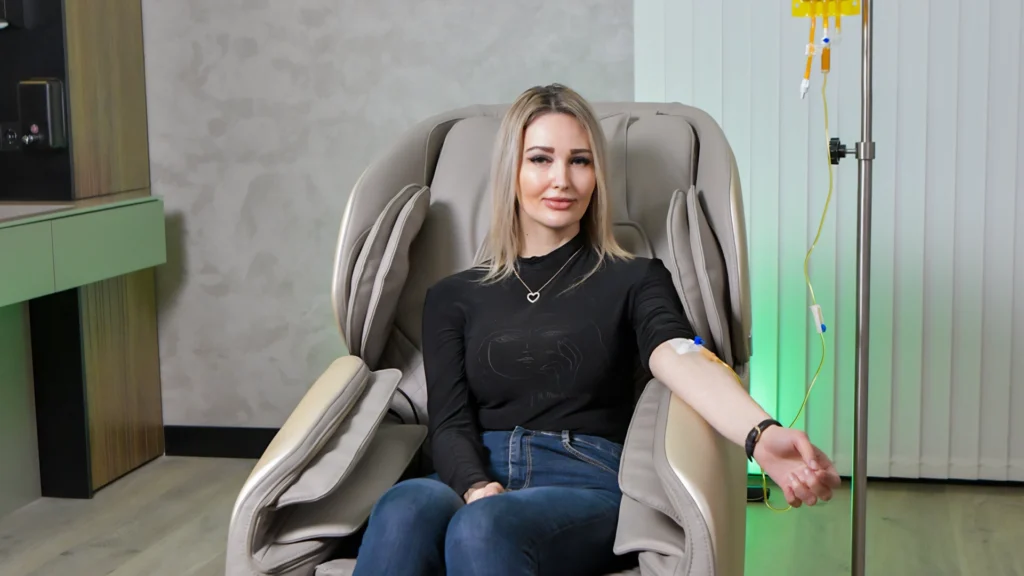
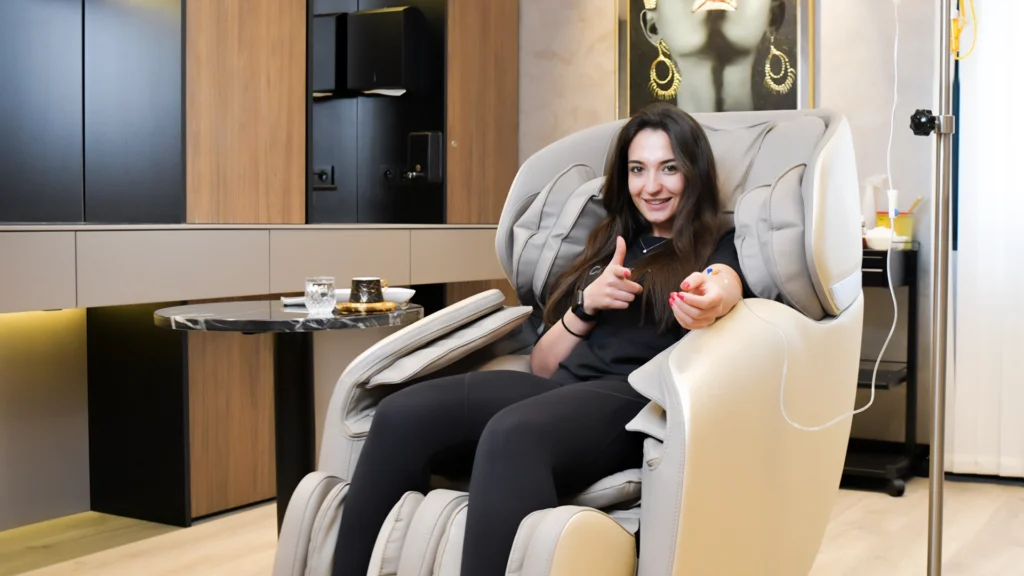
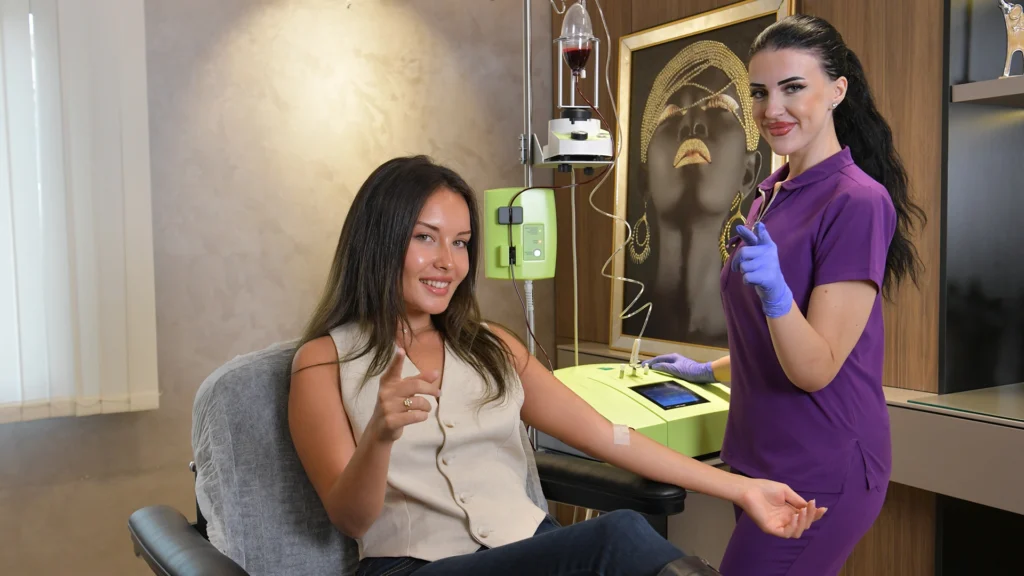
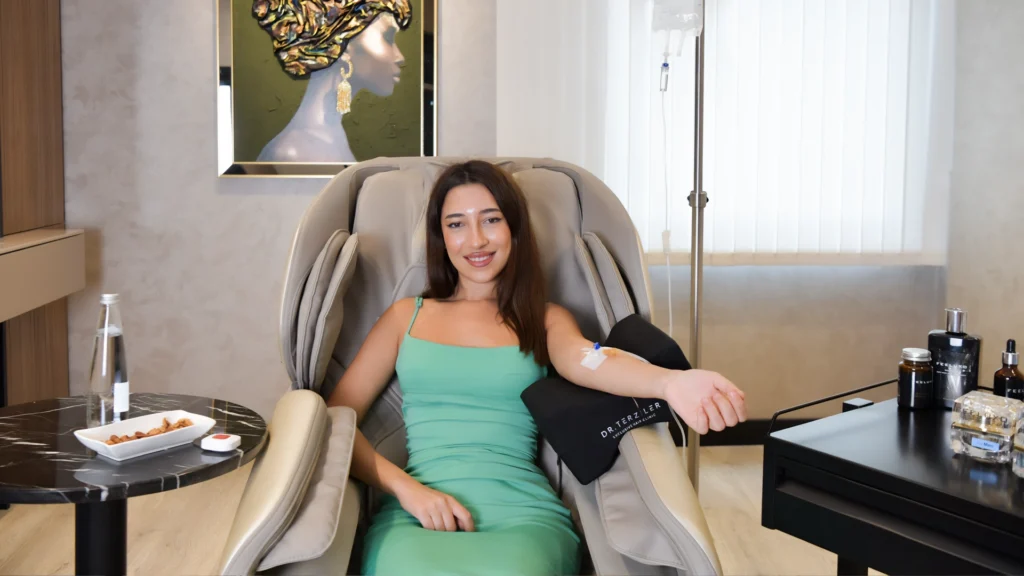
Patients rate the recovery experience for its structured, day-by-day aftercare and the clinic’s around-the-clock WhatsApp support during the first two weeks.
Aftercare support on WhatsApp every single day. I always knew exactly what to do.
The checklist made the first two weeks completely stress-free.
I always knew what was normal at each stage, so I never panicked.
We publish only real, consented patient content — never stock or fabricated reviews.
A printable, one-page day-by-day checklist for your first two weeks. Keep it on your phone and never miss a step.
Why can you trust this guide?
This guide is written and reviewed by a surgeon-led, AACI-accredited clinic and is aligned with recognised medical authorities, so every instruction reflects real clinical protocol rather than marketing.

Message the surgical team directly, or book a free consultation for a personalised plan.
Hair transplant recovery: frequently asked questions
How soon can I fly home after a hair transplant?
You can fly home from day 3, after the first wash and sign-off. Grafts are anchored within 24–48 hours, so flying does not dislodge them; just protect the recipient area from wind and sun.
When can I go back to work after a hair transplant?
Most desk-based patients return within 3–5 days. Redness and small scabs are visible in the first week, so client-facing patients often wait 7–10 days until the crusts have cleared.
When will I see the final result of my hair transplant?
Transplanted hair sheds in weeks 2–6, regrows from month 3, reaches roughly 50% density by month 6, and delivers the final result between 12 and 18 months. See the recovery timeline.
Is a hair transplant permanent?
Yes. Transplanted follicles come from the DHT-resistant donor zone, so once they mature they grow for life and can be cut, styled, and washed like your native hair.
What is normal versus a warning sign after a hair transplant?
Swelling (day 2–7), scabbing, mild itching, and shedding (weeks 2–6) are all normal. Spreading redness with pus, worsening pain after day 4, or fever are not — contact your clinic promptly if they occur.
Do I have to follow the aftercare instructions exactly?
Yes, especially in the first 14 days. Grafts are most vulnerable early on, and following the sleeping, washing, and no-touch rules is what protects your graft survival and final density.
When can I wear a hat after a hair transplant?
A loose, clean medical cap given by the clinic can be worn from day 1 for travel; a normal hat that touches the grafts should wait until scabs clear (around day 10–14). Tight hats and helmets should wait about a month.
When can I exercise or go to the gym after a hair transplant?
Light walking is fine from a few days post-op, but avoid sweating, heavy lifting, and contact sport for about a month. See the daily-life guide.
Sources
- International Society of Hair Restoration Surgery (ISHRS) — hair restoration standards and patient guidance.
- NHS — Hair transplant patient guidance — recovery and what to check before surgery abroad.
- American Academy of Dermatology (AAD) — hair loss and scalp care.
- Complicanze nel trapianto di capelli, PMC — recovery, risk prevention and warning signs.
This guide is for information only and does not replace the personal aftercare instructions given by your surgeon. Always follow your clinic’s specific plan; individual healing varies.
Located in Istanbul, Turkey, Clinica Esclusiva del Dott. Terziler is an AACI-accredited, surgeon-led hair and facial-hair restoration center. Founded by the “Picasso of Hair,” Dr. Servet Terziler, inventor of the Robotic DHI Machine, the clinic supports every international patient with a written aftercare plan and 12-month follow-up.