

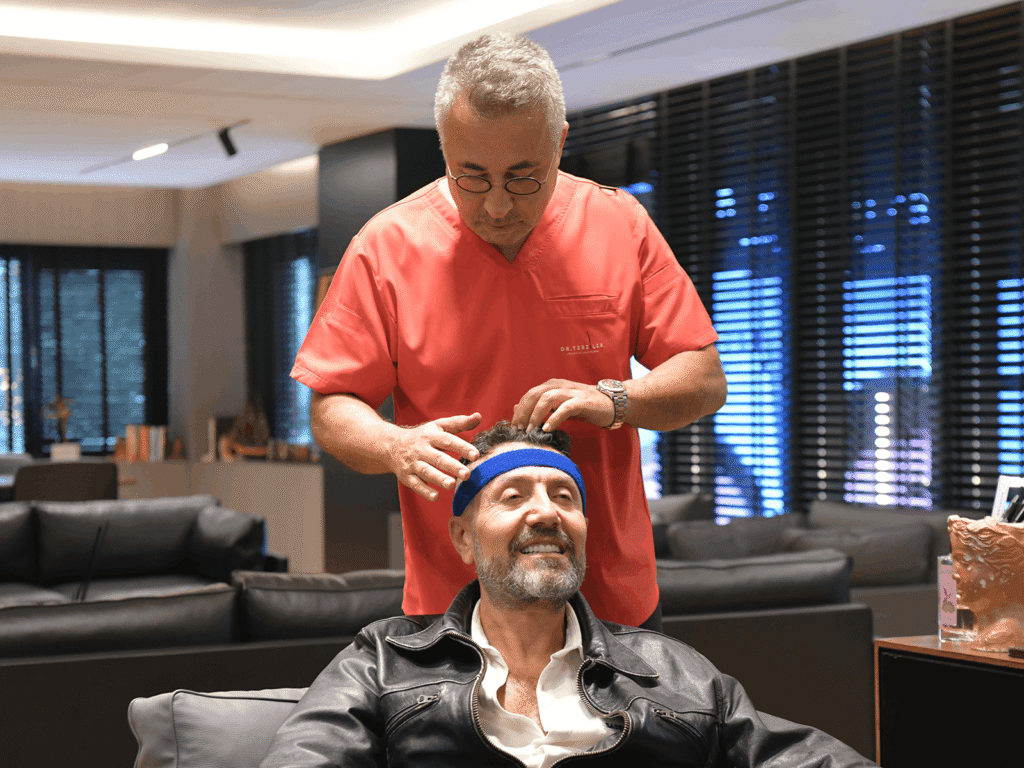
Waking up, looking in the mirror, and noticing a receding hairline or a thinning crown can be a frustrating experience. Hair loss affects millions of people worldwide, impacting not just appearance, but self-esteem and confidence too. While topical treatments and lifestyle changes can slow down the process, there is only one permanent solution to restore your natural hairline: a hair transplant.
If you are just beginning to research this procedure, you likely have a mountain of questions. Does it hurt? Will it look natural? How long is the recovery?
Consider this your ultimate A-to-Z beginner’s guide. We will break down exactly what a hair transplant is, how it works, the different methods available, and what you can expect from day one to your final results.
What is a Hair Transplant?
At its core, a hair transplant is a minimally invasive surgical procedure that moves hair you already have to fill in areas with thin or no hair.
Doctors utilize a concept known as donor dominance. Hair on the back and sides of your head is genetically resistant to the hormone DHT (dihydrotestosterone), which is the primary culprit behind male and female pattern baldness. Because these hairs are permanent, when they are moved to a balding area, they retain their genetic resistance and continue to grow for a lifetime.
The Two Primary Methods: FUE vs. FUT
When you start looking into hair restoration, you will instantly come across two acronyms: FUE and FUT. These represent the two primary techniques used to harvest the donor hair.
1. FUE (Follicular Unit Extraction)
FUE is the most popular and modern technique available today.
- How it works: The surgeon extracts individual hair follicles one by one from the donor area using a specialized micro-punch tool (usually less than 1mm in diameter).
- The Scarring: It leaves tiny, dot-like scars scattered across the back of the head, which are virtually invisible even with short haircuts.
- Recovery: Faster recovery time, usually within 3 to 7 days.
2. FUT (Follicular Unit Transplantation)
FUT, also known as the “strip method,” is a traditional technique still widely used for specific cases.
- How it works: The surgeon removes a linear strip of skin from the donor area. This strip is then placed under a microscope, where a team of technicians carefully divides it into individual follicular units.
- The Scarring: It leaves a linear scar across the back of your head, which can be hidden by longer hair but may be visible if you shave your head.
- Recovery: Slightly longer recovery time (10 to 14 days) because the donor area requires stitches.
Which one is better? Neither is universally “better.” FUE is ideal for people who prefer short hairstyles and want a quicker recovery. FUT is often recommended for patients requiring a massive number of grafts in a single session, as it can sometimes yield higher-quality graft survival in extensive baldness cases.
Step-by-Step: How a Hair Transplant is Done
While the thought of “surgery” might sound intimidating, a hair transplant is a highly routine, outpatient procedure. Here is what a typical day looks like in the clinic:
Step 1: Consultation and Hairline Design
Before anything else, you and your surgeon will finalize the plan. The doctor will draw your new hairline with a medical marker. This is a collaborative artistic process; a great surgeon ensures the hairline matches your age and facial structure for a completely natural look.
Step 2: Local Anesthesia
You will be given a local anesthetic to numb both the donor area (the back of your head) and the recipient area (the balding zones). You will be awake throughout the procedure—often watching a movie, listening to music, or chatting with the medical team—but you won’t feel any pain.
Step 3: Harvesting the Grafts
Depending on the chosen method (FUE or FUT), the surgeon will begin extracting the hair follicles. The extracted grafts are placed in a special, chilled nutrient solution to keep them alive and healthy while they await implantation.
Step 4: Creating the Recipient Sites
This is where the artistry truly happens. The surgeon uses micro-blades or needles to create tiny incisions (channels) in the balding areas. They must carefully determine the exact angle, direction, and density of these channels so the transplanted hair grows seamlessly alongside your existing hair.
Step 5: Implanting the Hair Follicles
Finally, the medical team meticulously places the individual hair grafts into the newly created channels. This step takes several hours, as thousands of grafts must be handled with extreme precision.
The Recovery Timeline: What to Expect
Patience is your best friend when it comes to hair transplants. Your hair will not look perfect overnight. Here is a realistic timeline of the healing and growth process:
- Days 1–3: Mild swelling around the forehead and eyes is normal. Tiny scabs will form around the transplanted grafts. You will need to sleep with your head elevated.
- Days 7–10: The scabs begin to flake off naturally during gentle washing. The redness starts to fade.
- Weeks 2–8 (The “Ugly Duckling” Phase): Do not panic! During this time, the transplanted hairs will fall out. This is called shock loss. It is a completely normal part of the cycle; the hair shafts fall out, but the root remains safely embedded under the skin, entering a resting phase.
- Months 3–4: Fine, baby-like hairs start to sprout from the surface.
- Months 6–9: The hair becomes thicker, longer, and significantly more dense. You will start seeing a noticeable cosmetic difference.
- Months 12–15: Final results achieved. The hair is now mature, fully dense, and ready to be styled, cut, or groomed however you like.
Am I a Good Candidate?
Not everyone is a perfect fit for a hair transplant. A successful outcome depends on a few key factors:
- Sufficient Donor Hair: You must have enough healthy hair on the back and sides of your head to cover the balding areas.
- Stabilized Hair Loss: If you are actively losing hair rapidly, a surgeon might recommend stabilizing it first with medications like Finasteride or Minoxidil so you don’t lose the native hair behind your new transplant.
- Good General Health: Since it is a surgical procedure, you need a healthy immune system to heal properly.
Final Thoughts
A hair transplant is a life-changing investment. Thanks to modern technology like FUE, the days of the unnatural, “doll-hair” plug look are long gone. Today’s techniques yield seamless, undetectable results that last a lifetime. If you are tired of hiding under hats, schedule a consultation with a qualified, board-certified hair restoration surgeon to explore your options.
Frequently Asked Questions (FAQ)
Is a hair transplant painful?
The procedure itself is virtually painless because local anesthesia is used to completely numb your scalp. The only minor discomfort you might feel is the initial stinging of the anesthesia injections. Post-surgery, any mild soreness or tightness can easily be managed with standard over-the-counter pain relievers.
Is the result permanent?
Yes, hair transplants are considered a permanent solution. Because the donor hair is taken from regions genetically programmed not to fall out (the back and sides of the head), these hairs retain their characteristics and continue to grow for the rest of your life.
How much does a hair transplant cost?
The cost varies drastically depending on the country, the clinic’s reputation, the surgeon’s experience, and the number of grafts you need. Generally, prices range from $3,000 to $15,000 in Western countries, while medical tourism hubs like Turkey offer high-quality procedures starting around $2,000 to $4,000.
Will anyone be able to tell I had a hair transplant?
Once fully healed and grown out (around the one-year mark), a modern hair transplant performed by a skilled surgeon is completely undetectable. The hair will grow naturally in the correct direction and angle, blending perfectly with your original hair.
When can I return to work and exercise?
Most people return to desk jobs within 3 to 5 days after the procedure. However, if your job involves heavy lifting or you want to return to intense gym workouts, you should wait at least 10 to 14 days to prevent increased blood pressure from forcing the new grafts out.
Can women get a hair transplant?
Absolutely. While female hair loss pattern is often more diffuse (scattered) than male pattern baldness, women who have localized thinning or a naturally high hairline are excellent candidates for hair transplant surgery.