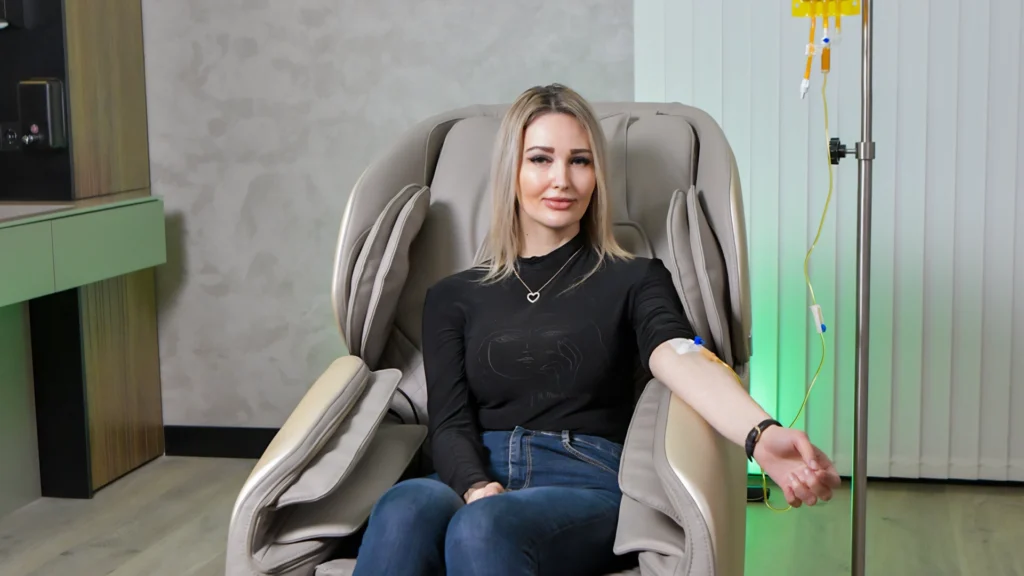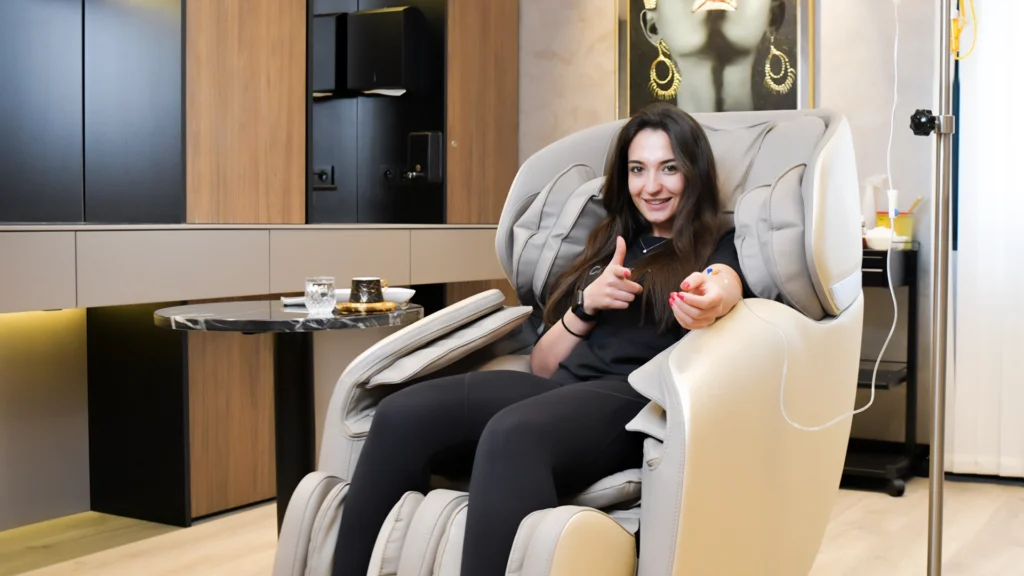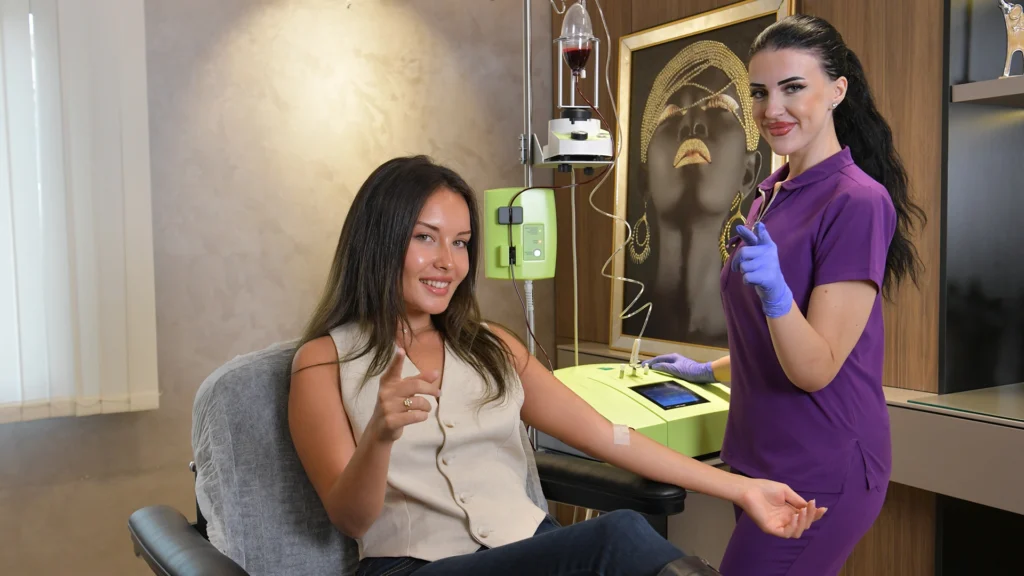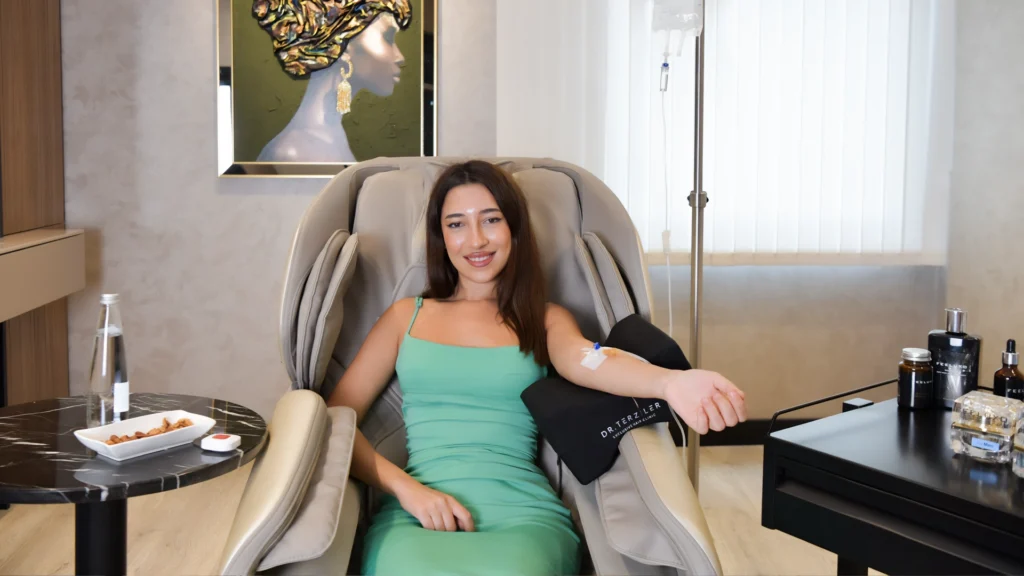

Non-surgical tummy tuck is a comfortable and effective medical aesthetic procedure designed to correct sagging skin, loss of elasticity and a loose appearance in the abdominal area without the need for surgery.
What Is a Non-Surgical Tummy Tuck and How Is It Performed?
Non-surgical tummy tuck is a non-surgical tightening method used to address looseness and sagging in the abdominal area. In this procedure, energy is delivered beneath the skin to stimulate collagen production, and over time the skin takes on a firmer, more toned appearance. Generally non-surgical tummy tuck No incisions or stitches are made during the procedure; the skin is supported from the outside using specialised devices. The area is cleansed prior to the procedure, and treatment begins according to the technology used. It can be performed using HIFU, radiofrequency or microneedling systems. It is generally pain-free, and the patient can resume their social life on the same day. In other words, a natural firming of the abdominal area can be achieved without the need for surgery.
Who Is a Suitable Candidate for a Non-Surgical Tummy Tuck?
Non-surgical tummy tucks are suitable for people experiencing mild to moderate sagging in the abdominal area, particularly due to pregnancy, rapid weight change or ageing. Non-surgical methods are a good alternative for individuals who are not keen on surgical procedures but wish to achieve a firmer abdomen. Much more effective results are achieved in people whose skin has not lost a significant amount of elasticity. Furthermore, anyone in good general health, without a significant amount of excess skin, and with realistic expectations can benefit from this procedure. The treatment process can be safely carried out following a personalised plan.
What Are the Non-Surgical Tummy Tuck Methods?
The main methods used in non-surgical tummy tucks are radiofrequency (RF), HIFU (high-intensity focused ultrasound), gold needle therapy and microneedling systems. The radiofrequency method renews collagen fibres by delivering controlled heat beneath the skin, which results in skin tightening. HIFU, on the other hand, reaches deeper tissues and can even stimulate the muscle layers. Gold needles create micro-channels, providing both a tightening effect and skin rejuvenation. In some cases, these procedures are supported by mesotherapy to achieve stronger and more lasting results. The choice of method depends on the skin’s structure and the degree of sagging.
Is Radiofrequency Tummy Tuck Effective?
Yes, a tummy tuck using radiofrequency technology is extremely effective and safe. In this method, heat is applied beneath the skin to stimulate fibroblasts and accelerate collagen production. Thanks to radiofrequency, sagging in the abdominal area gradually diminishes, and the skin becomes visibly firmer and more toned. No pain is felt during the procedure; only a slight warmth may be felt on the skin. When carried out in regular sessions, the results become even more long-lasting. Particularly successful results can be achieved in people who have recently given birth or who have experienced sagging skin following weight fluctuations.
How Does HIFU Technology Work on the Abdomen?
HIFU (High-Intensity Focused Ultrasound) is a technology that tightens the skin by delivering sound waves to its deeper layers. This technology reaches the muscles and connective tissues beneath the skin in the abdominal area, creating a lifting effect. HIFU stimulates collagen production in the skin, which helps the abdominal area to firm up over time. The treatment can be effective even as a single session, and the recovery time is virtually non-existent. HIFU is an excellent option for those who do not wish to undergo surgery but are seeking a more powerful and deep-acting treatment.
How Long Does a Non-Surgical Tummy Tuck Take?
The duration of the treatment varies depending on the method chosen and the degree of sagging in the abdominal area, but it usually takes between 30 and 60 minutes to complete. Before the session, the skin is cleansed, a topical anaesthetic cream is applied if necessary, and the procedure then begins. Whilst a single session may be sufficient for some methods, such as HIFU, 3–6 sessions may be recommended for treatments such as radiofrequency or gold needle therapy. After the procedure, the patient can return to their daily routine immediately. There is usually a gap of 2–4 weeks between sessions. In other words, it is a very practical procedure in terms of time and does not interfere with social life.
How Many Sessions Are Required for a Non-Surgical Tummy Tuck?
The number of sessions required varies depending on the individual’s skin type, the degree of sagging and the chosen method. Whilst 3–4 sessions of non-surgical tummy tuck may be sufficient for mild sagging, this may increase to as many as 6 sessions for moderate sagging. Methods such as radiofrequency or gold needle treatments are generally administered at intervals of 2–4 weeks. With systems that have a deeper effect, such as HIFU, significant results can be achieved even with a single session. The most appropriate treatment plan is determined on an individual basis following an assessment by a specialist. Regular treatment ensures more lasting and visibly noticeable skin tightening.
When Does the Skin Recover After a Non-Surgical Tummy Tuck?
You may feel a slight tightness in the skin immediately after the treatment, but the actual recovery process unfolds over time. As collagen production gradually increases, the main skin-tightening effect usually becomes noticeable after 3–6 weeks. The effects build up gradually after each session, and the full results become apparent within 2–3 months. Even after the first treatment, the skin begins to look smoother and more radiant. The process requires patience, but when carried out regularly, the firming effect in the abdominal area is clearly noticeable.
Does a Non-Surgical Tummy Tuck Deliver Lasting Results?
Yes, non-surgical tummy tucks can provide long-lasting results, but this depends on a number of factors. The new collagen produced by the skin tightens the skin over time, and this effect lasts for a long time. However, weight fluctuations, the ageing process or lifestyle can affect how long these results last. With a healthy diet, regular exercise and annual maintenance sessions, these results can be maintained for much longer. In other words, with the right aftercare and regular follow-ups, non-surgical tummy tucks offer a highly durable solution.
Is a non-surgical tummy tuck painful?
These procedures are generally pain-free and comfortable. During radiofrequency and HIFU treatments, you may only feel a slight warmth or tingling sensation. In micro-needling treatments, such as the ‘gold needle’ method, any discomfort is minimised thanks to the anaesthetic cream applied before the procedure. In cases of sensitive skin, there may be brief redness or slight swelling after the treatment, but these usually subside within 1–2 days. In short, the discomfort experienced during and after the treatment is minimal and does not affect daily life.
Is There a Non-Surgical Solution for Postnatal Abdominal Sagging?
Yes, there are many effective non-surgical solutions for postnatal abdominal sagging. In particular, technologies such as radiofrequency and HIFU are frequently chosen to firm up skin tissue that has become loose after childbirth. These methods deliver energy beneath the skin to boost collagen production and, over time, tighten sagging skin in the abdominal area. For new mothers, these are pain-free and practical treatments that require no recovery time. Mesotherapy can also be used as a complementary treatment to help both firm the skin and reduce the appearance of stretch marks after childbirth. In other words, the abdominal area can be aesthetically contoured after motherhood without the need for surgery.
Can Stretch Marks Be Removed with a Non-Surgical Tummy Tuck?
Although non-surgical tummy tuck procedures do not completely eliminate stretch marks, they can significantly reduce their appearance. In particular, gold needle, radiofrequency and microneedling systems stimulate the deeper layers of the skin, thereby increasing collagen production. This promotes the regeneration of skin tissue and helps to make stretch marks less noticeable. Particularly in the case of stretch marks caused by childbirth or sudden weight changes, regular treatments can help the skin achieve a smoother appearance. Although the stretch marks may not disappear completely, their colour lightens, their depth decreases and the skin appears more radiant.
Can Fat Be Burned Through Non-Surgical Tummy Tucks?
Non-surgical tummy tuck procedures are not performed specifically to burn fat, although some technologies may offer support for localised slimming. Radiofrequency and HIFU treatments stimulate the connective tissues and collagen fibres beneath the skin, whilst also helping to reduce the size of fat cells. In particular, when the skin is tightened, it appears smoother, which makes the abdominal area appear slimmer. However, for people with significant excess fat, this treatment alone may not be sufficient. When combined with a balanced diet, regular exercise and supportive treatments, it makes a positive contribution to the fat-burning process.
Who Should Perform a Non-Surgical Tummy Tuck?
This procedure must be carried out by specialists who have received training and have experience in the field of medical aesthetics. Ideally, it should be carried out by a dermatologist, a medical aesthetics practitioner or a healthcare professional specialising in this field. Selecting the correct method based on the skin’s structure, the degree of sagging and the patient’s general state of health is crucial to the success of the procedure. It is also essential for a safe procedure that the equipment used at the centre where the treatment is carried out is FDA-approved and hygienic. Procedures carried out by unauthorised and inexperienced individuals may lead to undesirable results or permanent damage to the skin.
What Should You Bear in Mind After the Procedure?
To support the skin’s healing process following a non-surgical tummy tuck, it is important to follow some simple but effective guidelines. Firstly, for the first 24 hours after the procedure, you should avoid hot showers, strenuous exercise or any movements that put pressure on the abdominal area. You may experience slight redness or swelling of the skin; this is completely normal and usually subsides within a short time. Protecting yourself from the sun, drinking plenty of water and using the moisturising products recommended by your doctor will speed up the healing process. It is also important not to rub the treated area and to avoid wearing very tight clothing to protect the health of your skin.
Prices for Non-Surgical Tummy Tucks in 2025
In 2025, the cost of non-surgical tummy tucks varies depending on the technology used, the size of the treatment area and the number of sessions. When comparing prices, the quality of the equipment used and the reputation of the clinic performing the procedure should be just as important as the price itself. Click here for a quote.
Frequently Asked Questions
What are the differences between non-surgical tummy tucks and surgical methods?
The most fundamental difference between non-surgical tummy tucks and surgical tummy tuck procedures is the nature of the procedure. Non-surgical methods promote recovery over time by stimulating collagen production without damaging the skin’s surface. Surgical methods, on the other hand, create an immediate, visible change by removing excess skin and fatty tissue. However, the post-operative recovery period is lengthy, and there may be complications such as scarring and the risks associated with anaesthesia.
Non-surgical treatments, on the other hand, do not affect daily life and involve virtually no recovery time. Whilst non-surgical methods are sufficient for mild to moderate sagging, surgery may be preferred for severe sagging. In other words, both methods can be effective depending on individual needs, but one offers a natural and gradual approach, whilst the other is a more radical one.
What are the reviews like from people who have had a non-surgical tummy tuck?
Feedback from those who have undergone a non-surgical tummy tuck is generally positive, as the skin’s recovery and the feeling of firmness are noticeable within a short time after the procedure. In particular, those experiencing sagging after childbirth or loosening of the skin following weight fluctuations report that their skin appears firmer and smoother. The fact that the treatment is pain-free and convenient also boosts satisfaction levels. Some users say they feel the effects even after the first session, whilst others note a visible slimming of the abdominal area after just a few sessions. However, as everyone’s skin type is different, there is a common view among reviews that ‘patience is required’. Generally speaking, most people who have tried the treatment express their satisfaction, describing it as a natural, risk-free and comfortable alternative.
When Can You Start Exercising After a Non-Surgical Tummy Tuck?
Those wishing to exercise after the procedure generally need a recovery period of 24–48 hours. This period may vary depending on the method used and the individual’s skin sensitivity. With methods such as HIFU and radiofrequency, as the skin’s surface is not damaged, light exercise such as a gentle walk can be started fairly quickly. However, waiting a few days before engaging in strenuous exercise helps the skin to recover. On the first day following the treatment, it is recommended to avoid hot showers, excessive sweating and movements that apply direct pressure to the abdominal area. Afterwards, exercising can enhance the treatment’s effects, as muscle activity also helps to improve skin firmness.
Can a Non-Surgical Tummy Tuck Be Performed at a Young Age?
Yes, this procedure can be carried out safely even at a young age; indeed, much more effective results can be achieved if sagging or a loss of elasticity is noticed at an early stage. From the late 20s onwards, collagen production in the skin begins to decline, and in some people, sagging in the abdominal area may occur due to factors such as genetic predisposition, rapid weight fluctuations or childbirth. When performed at a young age, the recovery process is faster and more successful as the skin has not yet been fully damaged. This procedure also has a preventative effect against more severe sagging that may occur in the future.