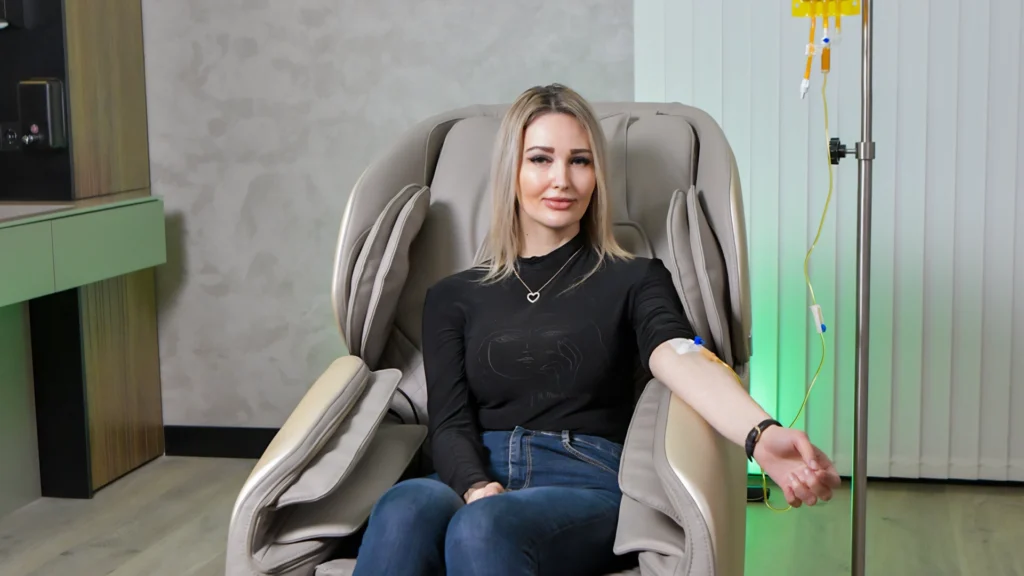


Longevity clinics are valuable for people who wish to detect and prevent age-related diseases before symptoms appear; however, this is only the case if the clinic offers diagnostic assessments led by a doctor, validated biomarker tests and a structured follow-up protocol. Clinics offering unproven treatments without an initial diagnostic assessment are not worth the investment.
This content has been reviewed by Dr Servet Terziler in terms of the accuracy of longevity medicine, the suitability of biological age testing, a comparison of clinical programmes, the approach to patient safety and evidence standards.
Longevity medicine lies at the intersection of two goals: increasing both how long you live and how well you live. This field has a credibility issue; this is not because the science is weak, but because the market has overtaken the science. According to a peer-reviewed article published in the journal *Aging* (Albany, NY) in 2025, annual longevity clinic memberships often range from €10,000 to €50,000, with some exceeding €100,000. This price range opens the door to both genuinely rigorous programmes and, to an equal extent, expensive wellness spectacles. (Demaria M, PMID: 41085401)
According to a 2025 study by MIT Technology Review covering 82 longevity clinics worldwide, more than a third of the clinics offered stem cell therapies for which there is no clinical evidence to suggest they extend lifespan. This is precisely the problem this guide seeks to address: to help you determine which longevity clinics are genuinely worth your money, what the science says, and (if you are considering a programme in Europe or Turkey) which approaches to longevity medicine are evidence-based rather than merely marketing-driven.
Discover your biological age with Istanbul’s most comprehensive longevity programme: available in 3-day, 7-day and 14-day formats.
Start with a doctor-led initial assessment and find out which programme format suits your goals.
Book a Free Consultation
What Is a Longevity Clinic and What Does It Actually Do?
A longevity clinic is a medical facility that uses advanced diagnostic methods (including biological age testing, genomic analysis and multi-organ biomarker panels) to measure how quickly a person is ageing and to plan personalised interventions that slow down or reverse this process.
A longevity clinic is not a wellness spa, a detox centre or an aesthetic clinic. It is a medical setting where a doctor reviews your data, interprets it in the context of your genetic makeup, lifestyle and risk profile, and plans a protocol accordingly. The two key measures that define true longevity medicine are lifespan (how long you live) and healthspan (how many of those years you spend at the highest levels of physical, cognitive and hormonal function).
What a science-based longevity clinic offers
Measurement of biological age using validated epigenetic clocks (OMICm Age, SYMPHONY Age, DunedinPACE)
Whole-genome or multi-variant genomic analysis for the risk of hereditary diseases
Over 180 blood, metabolic, inflammatory and neurocognitive biomarkers
IV protocols under medical supervision: NAD+, glutathione, Myers’ Cocktail, micronutrient optimisation
Hormonal and metabolic balancing, including personalised hormone therapy planning
Personalised peptide, exosome and geroprotective therapies where indicated
Structured 6-month+ follow-up and longitudinal reassessment protocol
Clinics implementing this model (measurement, interpretation, intervention and follow-up) are well worth serious consideration.
[Nature Aging: The emerging field of longevity medicine (2024). doi:10.1038/s43587-024-00590-3]
Would you like to find out whether a longevity clinic is clinically valuable for you?
Share your goals and age profile; let the team guide you to the right diagnostic starting point.
Check Whether It’s Valuable for You
Are Longevity Clinics Worth the Cost?
Longevity clinics are worth the cost when they offer physician-led biological age testing, genomic analysis and longitudinal follow-up; the early detection of cardiovascular, metabolic and oncological risks can prevent much more expensive interventions in the future. However, they are not worth the cost when they offer unproven treatments without a validated initial diagnostic assessment.
Three reasons why longevity clinics are worth the cost
1. Early detection yields measurable financial and health benefits. A significant study published in JAMA Network Open has shown that a high level of cardiorespiratory fitness (an important marker of longevity) is associated with a significantly lower risk of long-term mortality, including from cardiovascular disease and cancer. Identifying the risk at the age of 45 is far less costly than treating a preventable heart attack at the age of 60.
2. Biological age is a better predictor of health outcomes than chronological age. If you are chronologically 52 years old but are ageing at 80 per cent of the normal rate, as measured by DunedinPACE, your risk profile is genuinely different from that of someone ageing at 120 per cent of the normal rate. This information is actionable. It is not your date of birth.
3. Genomic data shapes lifelong prevention. Whole-genome analysis identifies variants associated with cardiovascular disease, metabolic disorders, neurodegenerative risk and cancer susceptibility decades before symptoms appear. A single comprehensive genomic result, interpreted by a doctor, can completely reshape a patient’s approach to preventive medicine for the rest of their life.
Two reasons why longevity clinics may not be worth the cost
1. Many clinics sell treatments lacking evidence. A study conducted by MIT Technology Review in 2025 across 82 longevity clinics worldwide revealed that more than a third of these clinics offer stem cell therapies for which there is no clinical evidence that they extend lifespan. Patients who pay €20,000 for an unverified stem cell infusion without an initial genomic or biomarker assessment are not investing in longevity medicine; they are buying an expensive hope.
2. Even good data becomes useless without a doctor’s interpretation. Algorithmic reports claiming to diagnose your biological age across 11 organs using ‘131 parameters’ are not clinical medicine unless a doctor reviews the results. These are software products given a medical veneer. Without context and clinical judgement, abnormal results can lead to unnecessary anxiety or, worse still, a false sense of security.
“Biological health cannot be reduced to a single variable or algorithm. We analyse over 180 biomarkers across 11 organ systems; this is interpreted by doctors, not by a machine that generates a report telling you there is a 65 per cent chance you have brain cancer. Such an output is irresponsible. We provide ranges, clinical probabilities and personalised protocols; this is the difference between longevity medicine and a wellness show.”
— Dr Servet Terziler, Dr Terziler Exclusive Clinic, Istanbul
Practical answer
The answer depends almost entirely on the clinic. A longevity programme based on validated biomarker science, medical supervision and a structured, months-long follow-up is worth the investment. A one-day IV serum programme offered without a genomic baseline assessment and follow-up, however, is not worth it.
Demaria M. Aging (Albany NY). 2025;17(10):2452-2454. PMC12606959.
[MIT Technology Review. Longevity clinics around the world are selling unproven treatments. April 2025.]
[Mandsager K et al. JAMA Netw Open. 2018;1(6).]
Not sure whether a programme is a genuine medical practice or just a wellness gimmick?
Send details of the programme you’re comparing and ask what evidence, diagnostic assessments and follow-ups should be included.
Find Out More About a Longevity Clinic
How Much Does a Longevity Clinic Cost? (Global Comparison)
Longevity clinic costs range from €2,500 for a 3-day diagnostic programme in Istanbul, Turkey, to over CHF 48,000 per week at ultra-premium residential facilities in Switzerland. In the US, annual memberships range from $8,000 to $150,000.
| Clinic / Location | Entry Level | Intermediate Level | Premium / Annual | Key Difference |
|---|---|---|---|---|
| Fountain Life (USA) | $10,500 per year (CORE) | $35,000 per year (APEX) | $85,000 per year | AI-assisted imaging + genetic panel |
| Human Longevity Inc (USA) | $8,000 per year | $12,000+ per year | Private | Whole-genome sequencing |
| Cenegenics (USA) | $14,000 per year | $21,000 per year | — | Hormone + metabolic optimisation |
| Clinique La Prairie (Switzerland) | — | CHF 20,950 per week | 48,520 CHF per week | Long-established Swiss residential programme |
| Lanserhof (Austria) | 5,000 € per week | 12,000 € per week | 20,000 €+ per week | Focused on the LANS methodology |
| Progevita (Spain) | €3,500 per programme | €8,000 per programme | Private | Best value for money in Europe (WLC 83/100) |
| Istanbul (Turkey) | From 2,500 € (3 days) | From 5,500 € (7 days) | €8,000–15,000 (14 days) + 1 year’s consultancy | OMICm Age + SYMPHONY Age (11 organs) + DunedinPACE + 180+ biomarkers. Physician-led, not algorithm-driven. |
Longevity programmes based in Istanbul currently offer similar genomic coverage and medical supervision to equivalent programmes in London, Zurich or Munich at 50–70 per cent lower cost. This makes Turkey one of the destinations offering the best value for serious longevity medicine at more budget-friendly costs by 2026.
Would you like a transparent cost estimate for a longevity programme in Istanbul?
Compare the scope of testing, programme duration and follow-up process before choosing a clinic.
Get My Cost Estimate
Are longevity clinics covered by insurance?
In most countries, longevity clinic programmes are not covered by standard health insurance. Some individual diagnostic components (blood panels, specific imaging methods) may be eligible for partial reimbursement under private health plans in Germany, Austria and the United Kingdom. Always request an itemised invoice from your clinic and consult your insurer before your appointment, particularly regarding the provisions for ‘preventative medicine’.
What Do Longevity Clinics Actually Test and Measure?
A rigorous longevity clinic measures biological age using epigenetic clocks (OMICm Age, DunedinPACE and SYMPHONY Age), alongside over 180 blood and metabolic biomarkers, telomere length, genomic variants associated with age-related diseases, cardiovascular function and neurocognitive markers to measure biological age. It is not a single number generated by an algorithm.
The most validated approach to measuring biological age is the use of epigenetic clocks; these are tools that analyse DNA methylation patterns to determine how quickly your body is ageing at a molecular level. Three such clocks are currently at the forefront of clinical use:
The three key epigenetic clocks
OMICm Age: A multi-omic biological age score that combines epigenetic, proteomic and metabolic data into a single composite biological age estimate.
SYMPHONY Age: Measures biological age independently across 11 different organ systems, revealing which organs are ageing faster than others and identifying the areas where intervention is most needed.
DunedinPACE: Uniquely measures the rate of ageing rather than providing a static age estimate. A score of 0.8 means you are ageing at 80 per cent of the normal rate; a score of 1.2 means you are ageing 20 per cent faster than average. Of these three, this is the most actionable in terms of protocol design.
Why are organ-specific age data important?
When used together, these three measures provide a far more clinically useful picture than any single score. A patient with an OMICm Age of 48 (chronological age 55), a SYMPHONY Age result showing the cardiovascular system is 62, and the liver at 44, and a DunedinPACE value of 0.9, has actionable, organ-specific targets for intervention rather than a general recommendation to ‘eat healthily and exercise’.
Comparison of basic longevity tests and comprehensive tests
| What basic clinics test for | Tests carried out by comprehensive programmes (Youngevity Reset) |
|---|---|
| Telomere length (single biomarker) | OMICm Age + SYMPHONY Age (11 organs) + DunedinPACE + OMICm Fit |
| Standard blood panel (30–50 biomarkers) | 180+ biomarkers: metabolic, inflammatory, neurocognitive, cardiovascular, oxidative stress, mineral/vitamin status, immune markers |
| Genetic risk score (SNP panel) | Whole-genome analysis: 750,000–3 billion base pairs, depending on the level |
| Algorithmic PDF report | Results reviewed by a doctor + clinical consultation + personalised protocol |
| One-off snapshot | Results in 6 weeks + 6-month formal reassessment + 1 year’s consultancy |
[Belsky DW et al. DunedinPACE: A DNA methylation biomarker of ageing rate. Nat Aging. 2022;2:644–652.]
[Morgan RG et al. OMICm Age: a multi-omic biological age clock. bioRxiv. 2025.]
Would you like to understand your biological age test options?
Find out about OMICm Age, SYMPHONY Age, DunedinPACE and which test level is right for your goals.
Find out more about biological age testing
Are Longevity Clinic Treatments Scientifically Supported?
Some longevity clinic treatments are supported by strong evidence (including biological age testing, nutrition and exercise protocols, and IV micronutrient therapy); whilst others—such as unapproved stem cell infusions and unverified peptide protocols—lack sufficient human clinical evidence to be considered standard care. This distinction is important, and a reputable clinic will be transparent about it.
Treatments with strong evidence
Biological age testing via epigenetic clocks has strong and growing support from peer-reviewed publications. NAD+ precursor therapy has demonstrated measurable cellular benefits in human studies (Rajman et al., Cell Metabolism, 2018). NAD+ IV therapy, administered in a controlled clinical setting, builds upon this evidence base. The Myers’ Cocktail and micronutrient IV protocols have a decades-long history of clinical use with an established safety record. Lifestyle medicine (nutritional optimisation, exercise prescription, sleep regulation) has the strongest evidence base of all longevity interventions.
Treatments with emerging evidence
Ozone therapy has been used in clinical settings in Germany and Austria for decades and has a growing body of published evidence in specific applications. Copper peptides (GHK-Cu) have anti-ageing mechanisms documented in the peer-reviewed literature. IV glutathione has evidence supporting its use for antioxidant replenishment in specific deficiency states. These are treatments where science is still advancing; therefore, medical supervision and personalised prescribing are of the utmost importance.
Treatments requiring careful consideration
A study conducted by MIT Technology Review in 2025 across 82 longevity clinics worldwide revealed that more than a third of these clinics offer stem cell therapies for which there is no clinical evidence to suggest they extend lifespan, and that these therapies are not risk-free. Twenty-eight per cent offered Botox, whilst 38 per cent offered facial rejuvenation procedures. These findings suggest that a significant portion of the longevity clinic market is closer to the field of aesthetic wellness than to rigorous preventive medicine.
At Dr Terziler Exclusive Clinic, every treatment is selected by a doctor based on the patient’s actual biomarker data and published evidence, rather than simply because it features on a trend list. We are transparent regarding both experimental and established practices. This transparency is, in itself, an indicator of quality.
[MIT Technology Review. technologyreview.com/2025/04/18/1115372/. April 2025.]
[Rajman L et al. The Therapeutic Potential of NAD-Boosting Molecules. Cell Metab. 2018;27(3):529–547.]
Are you looking for an evidence-based longevity treatment plan?
Before choosing IV therapy, peptides, exosomes or supplements, book a consultation with a doctor.
Create My Evidence-Based Plan
Who Should Visit a Longevity Clinic (and Who Shouldn’t)?
Longevity clinics are most valuable for healthy adults aged 40–70 who wish to optimise their long-term health through data-driven, preventative approaches. They are not a substitute for acute medical treatment or primary care for actively diagnosed conditions.
Who is suitable for the Longevity programme?
High-performing professionals aged 40–65 who wish to undergo an initial biological age assessment before symptoms arise. Individuals with a family history of cardiovascular disease, metabolic syndrome, neurodegenerative disease or cancer who wish to create a genomic risk profile. Men and women experiencing low energy levels, hormonal changes, a decline in cognitive sharpness or a drop in physical performance. Medical tourists combining a visit to Istanbul with a comprehensive health programme. Anyone who has learnt about longevity habits and science and wishes to personalise these principles using their own data.
Contraindications
Longevity clinics are not the appropriate primary care setting for individuals with acute medical conditions requiring urgent or intensive treatment. They are not suitable for those seeking alternatives to prescribed cancer treatments or for those unable to adhere to a 6-month follow-up protocol. If budget is a significant constraint, focus on the diagnostic phase first; a 3-day programme providing your biological age data is a better starting point than a 14-day protocol that does not rely on any initial assessment.
Would you like to find out if this is right for you?
Share your age, goals and family history with the team to receive guidance on the right starting point.
Find Out If You’re Eligible
Which Will Be the World’s Best Longevity Clinic in 2026?
In 2026, the world’s best longevity clinics will combine three elements: a validated biological age test, interpretation led by a doctor, and a structured follow-up protocol lasting several months. No clinic offers all three at the same price point; therefore, location is more important than most patients realise.
| Clinic | Location | Area of Excellence |
|---|---|---|
| Fountain Life | USA | AI-assisted diagnostic assessment + easy access in the US |
| Human Longevity Inc | USA | Whole-genome sequencing + access to research |
| Clinique La Prairie | Switzerland | Time-honoured luxury + the highest level of privacy |
| Lanserhof | Austria | Structured residential programme |
| Progevita | Spain | Best value for money in Western Europe |
| Dr Terziler (Youngevity) | Turkey, Istanbul | The most comprehensive genomic + biomarker test at the lowest cost in Europe |
Comparison with the Princeton Longevity Centre
Patients often ask whether the Princeton Longevity Centre is worth the cost: the Princeton Longevity Centre is a US executive health clinic that focuses primarily on the prevention of cardiovascular diseases; it does not focus on reversing biological age in the modern sense or on genomic longevity medicine. It serves a specific need but is not a centre that can be directly compared with programmes that include epigenetic clock testing and whole-genome analysis. For those seeking the best longevity clinic that combines genomic depth, biological age testing and doctor-led protocols, Dr Terziler Exclusive Clinic offers a strong alternative.
Are you comparing the world’s best longevity clinics?
Before deciding on a programme, obtain a doctor-led comparison of test scope, cost and follow-up.
Compare Clinic Options
Which is the Best Longevity Clinic in Europe?
According to the World Longevity Clinics rating framework, the best longevity clinics in Europe in 2026 are Lanserhof (Austria, WLC score 84: best overall residential methodology), Clinique La Prairie (Switzerland, WLC 84: time-honoured luxury), Progevita (Spain, WLC 83: best value for money and scope of treatment in Western Europe) and Dr. Terziler Exclusive Clinic (Istanbul, Turkey: the most comprehensive genomic and biological age testing in the region; 50–70 per cent lower cost compared to equivalent programmes in Western Europe).
[World Longevity Clinics. Europe’s Best Longevity Clinics 2026. worldlongevityclinics.com. April 2026.]
Which is the Best Longevity Clinic in Turkey?
Dr Terziler Exclusive Clinic in Istanbul offers Turkey’s most comprehensive longevity programme. The Youngevity Reset Programme combines whole-genome analysis (over 750,000 genetic variants; up to 3 billion base pairs at premium level), biological age scoring across 11 organs via SYMPHONY Age, the DunedinPACE ageing rate measurement and over 180 biomarkers; all of which are interpreted by doctors, not algorithms.
A patient who completed the Full Youngevity Reset programme was found to have a biological age 12.4 years younger than their chronological age, an organ age (SYMPHONY Age) 18.6 years younger than expected, and a DunedinPACE score of 0.8; which indicates that they are ageing at 80 per cent of the normal rate.
What Makes the Youngevity Reset Programme Different? (Longevity)
The Youngevity Reset Programme measures your biological age using OMICm Age, SYMPHONY Age (11 organs) and DunedinPACE, and then designs personalised interventions including NAD+ therapy, Golden Vial geroprotective therapy, copper peptides, ozone therapy and hormonal optimisation, and includes a standard 6-month follow-up period and 1 year of consultancy.
Programme levels
Step 1 – Personalised Longevity Assessment: A comprehensive initial assessment covering metabolic health, hormonal balance, inflammation status, body composition and lifestyle factors. This forms the diagnostic foundation upon which every subsequent step is built.
Step 2 – Cellular Optimisation Protocol: Personalised protocols designed to support cellular renewal, boost mitochondrial energy production and slow down the biological mechanisms of ageing, drawing directly on the data from Step 1.
Step 3 – Hormonal and Metabolic Balancing: Targeted assessment and optimisation of hormonal systems in line with age-related changes, including the planning of bio-identical hormone therapy where clinically indicated.
Step 4 – Personalised Rejuvenation Protocols: Selected by the doctor from among peptides, exosomes, NAD+ infusions, the Golden Vial, the Myers’ Cocktail, glutathione, optimised vitamin and mineral IV therapy, and advanced longevity approaches as indicated by your specific data; applied based on your personal data, rather than a standard menu.
Step 5 – Follow-up and Re-evaluation: Regular follow-ups, formal re-measurement of biological age parameters at the 6-month mark, and ongoing 1-year consultancy to monitor how your lifestyle changes have affected key biomarkers.
| Programme | Duration | Price | Content |
|---|---|---|---|
| Diagnostic Reset | 3 days | From €2,500 | Biological age test (OMICm Age, SYMPHONY Age, DunedinPACE), 180+ biomarkers, doctor’s consultation, personalised protocol plan, 1 year’s consultancy |
| Accelerated Reset | 7 days | From €5,500 | Full diagnostic panel + IV protocols (NAD+, Golden Vial, glutathione), hormonal assessment, lifestyle protocol, 6-month follow-up |
| Full Youngevity Reset | 14 days | €8,000–15,000 | All of the above + whole-genome sequencing (3 billion base pairs at the ultimate level), exosome therapy, comprehensive hormonal optimisation, dietitian, sleep and cognitive performance monitoring |
How Does Biological Age Affect Your Sexual Health? (Longevity and sexual wellbeing)
One of the most overlooked connections in longevity medicine is the direct link between biological ageing and sexual health. Declining testosterone levels in men and oestrogen levels in women are not merely issues that affect quality of life; they are key biomarkers of accelerated biological ageing and are directly linked to cardiovascular risk, cognitive decline and reduced healthy life expectancy. Youngevity Reset explicitly addresses this link by integrating a sexual health assessment for both men and women into the core biological age protocol.
Are you ready to have your OMICm Age, SYMPHONY Age and DunedinPACE values measured? The Youngevity Reset Programme offers a personalised protocol with results interpreted by a doctor, available within 6 weeks and stored for life.
Use biological age, hormonal and vascular markers to determine where to start your health journey.
View the Youngevity Reset Programmes
Sexual health as an indicator of biological age
Sexual health is a direct biomarker of biological age and one of the most sensitive early warning signs that the body is ageing faster than it should. Reduced libido, erectile dysfunction in men, and vaginal atrophy or hormonal irregularities in women are systemic ageing phenomena driven by the very same hormonal and vascular mechanisms that the Youngevity Reset Programme is designed to identify and address.
Male Sexual Health and Longevity
A decline in testosterone is the primary cause of deterioration in male sexual health and is also one of the most clinically significant biomarkers of longevity. Low testosterone is associated with increased cardiovascular risk, insulin resistance, reduced muscle mass, impaired cognitive function and a shorter healthy lifespan. Erectile dysfunction, which is often the first visible symptom, is now recognised as an early indicator of systemic vascular disease; in undiagnosed men, it typically appears three to five years before a cardiac event.
The Youngevity Reset Programme includes a comprehensive male sexual health assessment as part of the core biological age assessment: hormonal and metabolic analyses, cardiovascular risk classification, body composition and performance assessment, and sexual health assessment; all of which are reviewed by a doctor and integrated into a personalised longevity protocol. Where clinically indicated, treatment options include:
Where clinically indicated, treatment options include:
ESWT (Extracorporeal Shock Wave Therapy): Improves penile vascular function and erectile performance by stimulating angiogenesis and tissue regeneration.
PRP (Platelet-Rich Plasma): A regenerative cellular therapy that supports tissue repair and vascular health in the penile region.
Hormonal support: Optimisation of bioidentical testosterone, subject to confirmation of deficient serum levels, alongside comprehensive cardiovascular risk monitoring.
Regenerative cellular therapies: Exosome-based supportive approaches, prescribed following an individual assessment, aimed at improving tissue quality and sexual performance.
Medical performance optimisation: A protocol under medical supervision for men seeking to improve both their sexual health and general physical performance.
For men experiencing severe erectile dysfunction, the clinic also offers surgical expertise in penile prosthesis surgery (single-piece and three-piece options), including personalised surgical planning, hospital management and long-term monitoring of functional outcomes.
Women’s Sexual Health and Longevity
Menopause in women is one of the most significant accelerations of biological ageing the body undergoes. According to research conducted using the DunedinPACE study, the rate of ageing increases measurably during the menopausal transition. A decline in oestrogen is associated with vaginal atrophy, reduced lubrication, cognitive changes, loss of bone density and increased cardiovascular risk; all of which reduce healthspan and quality of life in the second half of life.
Women’s sexual health and age management
The Youngevity Reset Programme includes a comprehensive women’s health assessment, hormonal and metabolic analyses, biological age and body composition assessment, cardiovascular risk assessment, pelvic assessment, personalised exercise planning, hormone optimisation assessment, and a plan for IV support with supplements. Medical supervision is standard and not optional.
Targeted genital rejuvenation support
Beyond the systemic longevity protocol, the clinic offers targeted genital rejuvenation and quality-of-life interventions, including anatomical assessments for women seeking laser vaginal rejuvenation to improve vaginal health and tissue quality, as well as aesthetic and functional improvements in the external genital area.
Can Longevity Supplements Replace Clinical Care?
Longevity supplements (NMN, NAD+ precursors, rapamycin, spermidine, resveratrol) have a growing body of evidence from animal models and early-stage human studies; however, they cannot replace the personalised diagnostic baseline assessment, medical supervision and multi-system interventions of a structured longevity programme.
The fundamental problem with approaches based solely on supplements is that they are not targeted. Taking NMN makes intuitive sense, as David Sinclair has suggested. However, taking NMN is a very different matter when your OMICm Age, SYMPHONY Age and panel of over 180 biomarkers indicate that the NAD+ pathway is a specific weak point, and your DunedinPACE score shows that you are ageing 15 per cent faster than expected. Supplements work best for longevity when used as part of a protocol tailored to your actual biology.
Supplement use and optimisation
The Youngevity Reset Programme includes personalised supplement and IV support planning as Step 4 of the protocol; this means your supplement list is prescribed by a doctor, shaped by biomarker data, and updated at the 6-month reassessment. This is the difference between simply taking supplements and optimisation.
[Rajman L et al. The Therapeutic Potential of NAD-Enhancing Molecules. Cell Metab. 2018;27(3):529-547.]
Are you wondering whether your supplements are sufficient?
Find out how your biomarker results should guide your use of NMN, NAD+ precursors, spermidine, resveratrol and IV support.
Find Out More About Longevity Supplements
How Long Does It Take to Receive Results from a Longevity Clinic?
Biological age test results from the first blood sample are ready within 6 weeks: this is the laboratory processing time for the epigenetic clock analysis. Subjective improvements in energy, sleep quality and cognitive clarity are typically reported within 4–8 weeks of starting the IV and lifestyle protocol. Measurable improvements in biological age markers are formally reassessed at the 6-month follow-up.
| Stage | Time Frame | What Happens |
|---|---|---|
| Diagnostic commencement | Weeks 1–6 | Blood sample → laboratory epigenetic and biomarker analysis → medical assessment → presentation of a personalised protocol |
| Initial response | Weeks 4–12 | IV protocols commence (NAD+, Golden Vial, micronutrients); lifestyle changes are implemented; subjective improvements in energy, sleep and cognitive function are reported |
| Re-evaluation | Month 6 | Official re-measurement of OMICm Age, SYMPHONY Age, DunedinPACE and the biomarker panel; adjustment of the protocol based on the results |
| Ongoing process | 1 year+ | 1-year consultancy: longitudinal follow-up, annual reassessment, refinement of the protocol as ageing markers change |
Why is follow-up important?
Longevity is a long-term process. The clinical value of a single IV session carried out without an initial assessment, protocol or follow-up is minimal. The standard 6-month follow-up included in every level of the Youngevity Reset Programme is the minimum timeframe required for changes in biological age to become measurable.
Dr Terziler Exclusive Clinic: Turkey’s most comprehensive physician-led longevity programme and one of Europe’s most rigorous biological age reversal programmes. In Istanbul: 3 hours from London.
Request programme information and find out which of the 3-day, 7-day or 14-day options suits your goals.
Request Programme Information
Frequently Asked Questions: Are Longevity Clinics Worth It?
- Are longevity clinics worth it?
Longevity clinics are worthwhile when they offer a biological age test led by a doctor, validated genomic analysis and a structured follow-up protocol. However, they are not worth it if they offer unproven, one-off treatments without an initial diagnostic assessment. The key point here is to choose a clinic that is managed by doctors rather than algorithms, and which commits to longitudinal follow-up rather than a one-off visit.
- How much does a longevity clinic cost?
Longevity clinic costs range from €2,500 for a 3-day diagnostic programme in Istanbul, Turkey, to over CHF 48,000 per week at ultra-premium residential facilities in Switzerland. In the US, annual memberships range from $8,000 (Human Longevity Inc) to $85,000 (Fountain Life APEX). Istanbul-based programmes such as Youngevity Reset offer similar genomic and biomarker coverage to their equivalents in London, Zurich or Munich at a cost that is 50–70 per cent lower.
- Which is the world’s best longevity clinic?
Among the world’s top-ranked longevity clinics are Fountain Life (USA), Clinique La Prairie (Switzerland), Lanserhof (Austria) and the Youngevity Reset Programme at Dr Terziler Exclusive Clinic in Istanbul. This programme combines the OMICm Age, SYMPHONY Age and DunedinPACE biological age tests across 11 organs, utilising over 180 biomarkers and medical supervision, whilst offering a significantly lower cost compared to equivalent programmes in the US or Switzerland.
- Which is the best longevity clinic in Europe?
Among the best longevity clinics in Europe are Lanserhof (Austria, WLC score 84 — best residential methodology), Clinique La Prairie (Switzerland, WLC 84 — time-honoured luxury) and Progevita (Spain, WLC 83 — best value for money). For patients prioritising genomic depth and cost-effectiveness, Istanbul, Turkey, offers doctor-led longevity medicine at significantly lower prices compared to comparable programmes in Switzerland or Austria.
- Which is the best longevity clinic in Turkey?
Dr Terziler Exclusive Clinic in Istanbul offers Youngevity Reset, Turkey’s most comprehensive longevity programme. This programme combines whole-genome analysis (750,000+ variants), SYMPHONY Age (biological age across 11 organs), the DunedinPACE ageing rate assessment and over 180 biomarkers; all results are interpreted by doctors, not algorithms. Programme levels range from a 3-day diagnostic programme (starting from €2,500) to the 14-day Full Reset (€8,000–15,000), which includes a year’s worth of consultancy.
- Are longevity clinics covered by insurance?
In most countries, longevity clinic programmes are not covered by standard health insurance. Certain diagnostic components — blood tests, specific imaging methods — may be eligible for partial reimbursement under private health plans in Germany, Austria and the United Kingdom. Always request a detailed invoice and check the preventive medicine provisions of your policy.
- Are longevity clinic treatments scientifically supported?
Some treatments are evidence-based: biological age testing via epigenetic clocks, NAD+ IV therapy, micronutrient protocols and lifestyle medicine as a whole are all supported by peer-reviewed publications. A 2025 study by MIT Technology Review, conducted across 82 clinics, revealed that more than a third of clinics offer stem cell therapies for which there is no clinical evidence to suggest they extend lifespan. Choose clinics that explain their evidence standards and are transparent about which treatments are still in the research phase.
- What does a longevity clinic test for?
A comprehensive longevity clinic assesses: epigenetic clocks (OMICm Age, SYMPHONY Age across 11 organs, DunedinPACE), telomere length, over 180 blood and metabolic biomarkers, genomic variants associated with age-related diseases, cardiovascular function (VO₂max, lipids), inflammatory markers (CRP, IL-6), hormonal balance, neurocognitive markers and body composition.
- What is a biological age test?
A biological age test measures how old your body is at a cellular and molecular level; this value is often different from your chronological age. Methods include epigenetic clocks (OMICm Age — composite biological age score; SYMPHONY Age — biological age across 11 organ systems; DunedinPACE — rate of ageing), telomere length analysis and multi-organ biomarker panels. The results guide personalised interventions that chronological age alone cannot provide.
- Are longevity supplements worth the cost?
Longevity supplements — NMN, NAD+ precursors, spermidine, resveratrol — have a growing body of preclinical evidence but only a limited number of large-scale human clinical trial data. They yield better results when used as part of a protocol tailored to your actual biomarker results, rather than as general supplement combinations. A doctor-led longevity programme determines which supplements are truly suitable for your specific biology.
- Who should visit a longevity clinic?
Longevity clinics are most beneficial for healthy adults aged 40–70 who wish to optimise their long-term health through data-driven, preventative approaches. They are particularly valuable for people with a family history of cardiovascular disease, metabolic disorders or cancer, or those experiencing hormonal changes, low energy levels or a decline in cognitive or physical performance. They are not a substitute for acute medical care.
- How long does it take to see results from a longevity clinic?
Biological age test results are available within 6 weeks of the initial blood sample. Subjective improvements in energy, sleep and cognitive function are commonly reported within 4–8 weeks of starting the IV and lifestyle protocol. A formal reassessment of biological age markers is carried out at the 6-month follow-up, which is standard in rigorous programmes such as the Youngevity Reset.
- What is the Youngevity Reset Programme?
The Youngevity Reset Programme is a five-stage, doctor-led biological rejuvenation protocol administered at Dr Terziler Exclusive Clinic in Istanbul. It combines the OMICm Age, SYMPHONY Age (biological age of 11 organs) and DunedinPACE tests with over 180 biomarkers, personalised IV protocols (NAD+, Golden Vial, copper peptides, ozone), hormonal optimisation, a sexual health assessment and a 6-month follow-up; it is available in 3-day, 7-day or 14-day formats starting from €2,500.
- Is the Longevity Test worth the money?
The Longevity Test is worth the cost when it provides actionable, clinician-interpreted data that guides personalised preventive approaches, such as biological age, genomic risk markers and organ-specific biomarkers. A panel revealing that you are ageing 12 years faster than expected provides a clear, data-driven roadmap for intervention. Routine annual blood tests cannot offer this.
Still unsure whether a longevity clinic is worth the cost?
Before making an investment, book a personalised consultation to compare diagnostic assessments, costs, treatments and the follow-up process.
Book My Longevity Consultation
Sources and References
[Demaria M. Longevity clinics: between promise and peril. Aging (Albany NY). 2025;17(10):2452–2454. PMID: 41085401. PMC12606959.]
MIT Technology Review. April 2025. [technologyreview.com/2025/04/18/1115372/]
[Maresca B et al. The emerging field of longevity medicine. Nature Aging. 2024. doi:10.1038/s43587-024-00590-3]
[Mandsager K et al. The relationship between cardiorespiratory fitness and long-term mortality. JAMA Netw Open. 2018;1(6).]
Belsky DW et al. DunedinPACE: A DNA methylation biomarker of ageing rate. Nat Aging. 2022;2:644–652.]
[Rajman L et al. The Therapeutic Potential of NAD-Boosting Molecules. Cell Metab. 2018;27(3):529–547.]
[Morgan RG et al. OMICm Age: a multi-omic biological age clock. bioRxiv. 2025.]
[World Longevity Clinics. Europe’s Best Longevity Clinics 2026. worldlongevityclinics.com. April 2026.]