

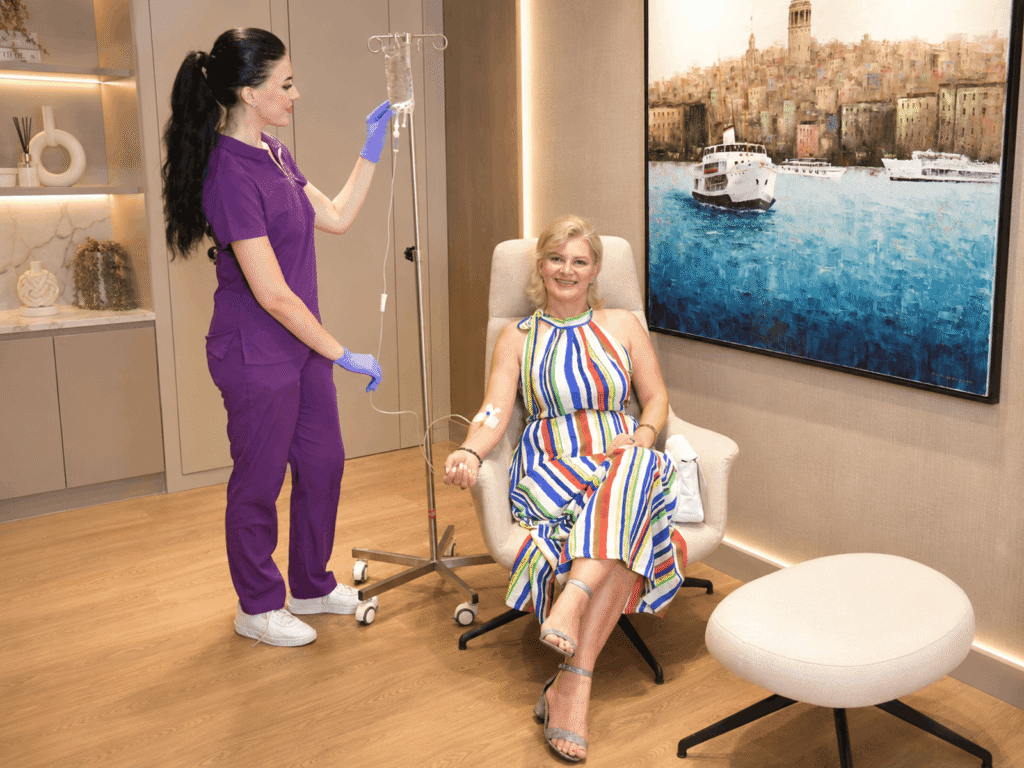
Longevity (the science of living healthier and longer lives) is one of the most extensively studied areas in medicine today, and the findings are remarkably consistent. People worldwide who have lived past the age of 100 share a specific set of daily habits that peer-reviewed studies have linked to an extension of healthy life expectancy of up to 24 years. (Patel et al., VA/NIA 2022, n=719,000). These habits are not excessive. They are achievable, clinically measurable and can now be supported by doctor-guided protocols that address biological ageing, where lifestyle alone has reached its limits.
MEDICALLY REVIEWED
Dr Servet Terziler
Longevity Medicine | Dr Terziler Private Clinic, Istanbul
Last Updated: June 2026
This content has been reviewed by Dr Servet Terziler in terms of the accuracy of longevity medicine, its relationship with biological ageing, the evidence hierarchy for lifestyle interventions, the clinical programme context and the patient safety framework.
This page brings together the strongest evidence from Blue Zone research, Stanford Lifestyle Medicine, peer-reviewed studies on centenarians, and clinical practices of doctors.
The short answer: The seven habits of longevity, consistently agreed upon by those who have lived past 100 and by peer-reviewed research, are as follows: regular physical activity, a plant-based whole-food diet, 7–9 hours of restorative sleep, active stress management, strong social connections, a clear sense of purpose, and not smoking. Adopting these habits at the age of 40 could add up to 24 years to your life expectancy. (VA/NIA 2022).
Would you like to turn these longevity habits into a measurable plan?
Book a longevity consultation under medical supervision to link your daily habits to a biological age test, genetic risk assessment and cell regeneration protocols.
Start Your Longevity Plan
What are the 7 habits of longevity that people who have lived past 100 actually practise?
The 7 habits of longevity consistently identified by individuals who have lived past the age of 100 and by peer-reviewed research are: physical activity, a plant-based whole-food diet, restorative sleep, active stress management, strong social connections, a sense of purpose, and not smoking. From the Blue Zones to Stanford Lifestyle Medicine and the VA/NIA 2022 cohort study, all major longevity research organisations agree on this core list.
Men who adopt all eight evidence-based practices and have these longevity habits by the age of 40 live an average of 24 years longer than men with none of these habits, and 21 years longer than women. This figure is derived from a groundbreaking cohort study (Patel et al., VA/NIA 2022) conducted by the US Department of Veterans Affairs and the National Institute on Ageing, which followed 719,000 adults.
Regular physical activity, including resistance training, slows down two key mechanisms of biological ageing by preserving telomere length and muscle mass. Muscle mass decreases by 3–5 per cent every decade after the age of 30; resistance training is the only intervention proven to reverse this.
A diet consisting predominantly of plant-based, whole foods: reduces chronic systemic inflammation (the primary driver of cellular ageing), supports microbiome diversity and provides phytonutrients that activate longevity-associated pathways, including AMPK and sirtuins.
7 to 9 hours of restorative sleep: The brain’s glymphatic system, which clears metabolic waste including amyloid-beta, operates primarily during deep sleep. Adults aged 45 and over who sleep for 7 to 8 hours a night reduce their risk of chronic disease by 20 per cent and measurably slow down biological ageing.
Active stress management: Chronic stress raises cortisol levels; this shortens telomeres and accelerates epigenetic drift. The key here is active stress management (breathing exercises, heart rate variability training, mindfulness), rather than avoiding stress. Avoiding stress is neither possible nor beneficial.
Strong social bonds and a sense of community: social isolation increases the risk of death from all causes by 26 per cent (Holt-Lunstad 2015), which is equivalent to smoking 15 cigarettes a day. The quality of these connections is more important than their quantity.
A clear sense of purpose: ‘ikigai’ in Okinawan culture, ‘raison d’être’ in Sardinian communities. In longitudinal studies conducted in Okinawa, a sense of purpose has been linked to a 7-year increase in life expectancy and measurably lower levels of cortisol and inflammatory cytokines.
Quitting smoking: According to the VA/NIA 2022 analysis, it is the single habit that yields the greatest increase in individual life expectancy, associated with up to 14 years of additional life span.
What does science say about daily habits for longevity?
The science of daily habits for longevity is more specific than much of the general health advice: A combination of 150 minutes of moderate-intensity aerobic exercise per week and strength training twice a week has the strongest body of evidence of any lifestyle intervention, and the specific type of cardio (Zone 29), targets a biological ageing mechanism that most people do not train.
Zone 2 cardio—aerobic exertion maintained at 60–70 per cent of maximum heart rate (at a conversational pace, with slightly accelerated breathing)—increases mitochondrial density in muscle cells. Mitochondria are energy-producing organelles whose numbers and efficiency decline with age; they are the primary cause of the fatigue, reduced physical capacity and metabolic slowdown that characterise biological ageing. Zone 2 exercise is the most effective stimulator of mitochondrial biogenesis and directly targets this mechanism.
It preserves muscle mass, which declines by 3–5 per cent every decade after the age of 30 and is one of the strongest independent predictors of mortality in adults over 50. Low muscle mass is associated with an increased risk of falls, insulin resistance, metabolic dysfunction and reduced immune function; all of which accelerate biological ageing. Two sessions of resistance training per week, targeting all major muscle groups, is the clinically meaningful minimum dose.
Sleep is the second daily habit with the most evidence supporting longevity. Regular sleep of 7 to 9 hours per week—and at least 6 hours per night—supports hormone regulation, immune function, epigenome repair and the clearance of neurotoxic waste via the glymphatic system. Chronically sleeping less than 6 hours is associated with a 12 per cent increase in all-cause mortality. (multiple meta-analyses, 2010–2023).
“The evidence isn’t about doing more. It’s about doing the right things consistently. Zone 2 cardio and resistance training, carried out weekly and maintained over many years, produces measurable changes in mitochondrial function and muscle mass that no supplement can replicate. These are the fundamentals. Clinical protocols are built upon these.”
Dr Servet Terziler | Dr Terziler Private Clinic, Istanbul
Would you like to find out which daily habits are most important for your biology?
Ask the clinical team to prioritise areas such as exercise, sleep, nutrition, stress and biological age testing according to your profile.
Ask for information about my priorities for longevity.
What are the secrets to longevity in the Blue Zones and among people who have lived past 100?
The secrets to longevity in the world’s longest-living communities are not exotic, expensive or unattainable; rather, they are consistent daily lifestyle patterns shared across five geographically and culturally distinct communities: Okinawa in Japan, Sardinia in Italy, Ikaria in Greece, Loma Linda in California and the Nicoya Peninsula in Costa Rica.
Researcher Dan Buettner identified these five Blue Zones and documented the lifestyle factors they share, despite having no dietary, cultural or genetic links to one another. Consistency across populations is the strongest signal in the science of longevity: when the same habits emerge in five independent communities around the world where people have lived past the age of 100, these are not coincidences but mechanisms.
The factors common to all Blue Zones are: a plant-based diet rich in pulses; daily natural movement integrated into the environment (rather than structured exercise); a clear sense of purpose; and, according to researchers, low levels of chronic stress achieved through daily rituals, moderate or no alcohol consumption, a sense of community belonging, and (in particular) membership of a community based on faith or values; they believe this is achieved through the effects of stress regulation and social connection rather than any metaphysical mechanism.
The Japanese secret to longevity most frequently cited in research is ‘hara hachi bu’, a practice unique to Okinawa involving eating only until 80 per cent full at every meal. This consistent calorie restriction of 10–20 per cent reduces the activation of mTOR, a cellular nutrient-sensing pathway that accelerates cellular ageing when chronically stimulated. In contrast, the centenarians of Sardinia achieve their longevity through spontaneous physical activity; their mountainous terrain means that daily life involves constant walking and physical activity, requiring no gym membership whatsoever. The centenarians of Ikaria eat late in the evening, sleep for long periods and consume wild herbal teas such as rosemary, sage and thyme, which have documented anti-inflammatory properties.
Which Foods Extend Lifespan? (A Nutrition Guide for Centenarians)
Across all Blue Zone populations and in peer-reviewed studies of centenarians, the foods most consistently associated with longer life expectancy are pulses, extra virgin olive oil, whole grains, leafy green vegetables, nuts, oily wild fish, fermented foods and fruit; and of these, pulses are the strongest dietary predictor of longevity and are present in every centenarian community studied to date (Buettner 2008; PMC12930775).
The dietary pattern of people who have lived past the age of 100 is not a specific protocol, but a model: it is predominantly plant-based, with 57–65 per cent of calories coming from complex carbohydrates, 12–32 per cent from protein and 27–31 per cent from fat; these nutrients are primarily derived from minimally processed, unprocessed whole foods. People over the age of 100 eat their evening meals early; Studies conducted on Italian centenarians in the Abruzzo region document that the average dinner time is 19:13, with a fasting period of 17.5 hours until the following day’s lunch (PMC8982510). This prolonged night-time fast reduces mTOR activation and supports mitochondrial repair.
What people over the age of 100 do not eat is just as revealing as what they do eat. Highly processed foods, refined sugar, seed oils rich in omega-6 and high-sodium packaged foods are either absent entirely or consumed in very small quantities across all populations in the Blue Zones. The common factor is not the ratio of macronutrients; it is food quality and minimal processing.
| Longevity Foods | Key Compound / Mechanism | Target of Biological Ageing |
| Pulses (beans, lentils, chickpeas) | Fibre, resistant starch, plant-based protein | The number one dietary determinant of longevity across all Blue Zones — the microbiome, mTOR |
| Extra virgin olive oil | Oleocanthal (COX inhibitor), oleic acid | Reduction in systemic inflammation; cardiovascular mortality |
| Walnuts | ALA omega-3, polyphenols | Preservation of telomere length — 28 per cent reduction in mortality (Loma Linda) |
| Oily wild fish (salmon, sardines) | EPA + DHA omega-3 | Neuroinflammation, cardiovascular health, brain health |
| Leafy green vegetables | Folic acid, lutein, nitrates, vitamin K | Support for DNA methylation, vascular function, epigenomic health |
| Wholemeals (oats, barley, farro) | Beta-glucan, resistant starch | Microbiome diversity, blood sugar regulation, metabolic health |
| Fermented foods (kefir, miso, kimchi) | Live cultures, postbiotics | Microbiome diversity; a measurable indicator of biological age |
| Forest fruits (blueberries, pomegranates) | Anthocyanins, ellagitannins | Mitochondrial function, reduction of oxidative stress |
Do longevity supplements really work?
Longevity supplements are effective when used correctly (to address specific deficiencies and support cellular pathways that cannot be fully supported by diet alone), but they cannot replace the dietary patterns exhibited by individuals who have lived past the age of 100. The supplements with the strongest clinical evidence for longevity are: NAD+ precursors (NMN and NR) for mitochondrial function, omega-3 fatty acids for neuroinflammation and cardiovascular health, vitamins D3 and K2 for bone and immune health, magnesium glycinate for sleep and metabolic function, and resveratrol for the activation of the sirtuin pathway.
The key point here is personalisation: which supplements are beneficial depends on individual genetic variants, underlying deficiencies, age and lifestyle; therefore, supplements reviewed by a doctor based on genetic and blood test data yield better results than self-administered regimens.
Would you like a doctor-approved nutrition and supplement plan?
Use blood test, genetic and lifestyle data to determine which longevity foods and supplements are truly suited to your biology.
Personalise My Longevity Nutrition
What Is the Single Most Important Factor in Increasing Life Expectancy? (Hierarchy of Evidence)
According to the largest meta-analysis of its kind, the single factor that increases life expectancy the most is not smoking; in the VA/NIA 2022 cohort study, which involved 719,000 adults, this adds up to 14 years to life expectancy. When combined with physical activity, a healthy diet and sleep, the cumulative benefit reaches up to 24 years for men and 21 years for women.
Hierarchy of evidence ranked according to the increase in life expectancy derived from the VA/NIA 2022 analysis.
| Rank | Habit / Factor | Increase in Life Expectancy | Primary Biological Mechanism |
| #1 | I do not smoke | Up to the age of 14 | This eliminates the primary cause of telomere shortening and vascular damage. |
| #2 | Regular physical activity | Up to the age of 11 | Mitochondrial biogenesis, telomere maintenance, insulin sensitivity |
| #3 | Healthy diet | Up to 10 years | Microbiome diversity, reduction of inflammation, mTOR regulation |
| #4 | Low alcohol consumption | Up to 9 years | Liver function, reduced cancer risk, epigenomic integrity |
| #5 | Restful sleep | Up to 5 years | Lymphatic cleansing, hormonal repair, epigenome methylation |
| #6 | Strong social bonds | Up to 5 years | Cortisol regulation, immune function, behavioural consistency |
| #7 | Stress management | Up to 4 years | Cortisol + telomere protection, modulation of inflammatory pathways |
| #8 | No opioid dependence | Up to 5 years | Systemic organ function, immune integrity |
According to the same evidence base, the factors that reduce life expectancy the most are: smoking (up to 14 years’ loss), physical inactivity (up to 11 years), poor diet (up to 10 years), chronic heavy alcohol consumption (up to 9 years) and chronic social isolation (up to 5 years; equivalent to smoking 15 cigarettes a day in terms of mortality risk, Holt-Lunstad 2015).
What Are the 7 Pillars of Longevity According to Research?
The seven pillars of longevity, as defined by Stanford University’s Lifestyle Medicine programme (one of the most authoritative institutional frameworks in the field), are as follows: physical activity and fitness, healthy nutrition, restorative sleep, stress management, social engagement, purpose and meaning, and cognitive engagement.
Each pillar corresponds to a specific biological ageing pathway, and each has a measurable, actionable minimum threshold supported by clinical evidence:
Physical activity and fitness: 150 minutes of moderate-intensity aerobic activity per week and two resistance training sessions. The aim is not athletic performance, but biological protection: to maintain VO₂ max, muscle mass and mitochondrial density throughout one’s fifties, sixties and seventies.
Healthy diet: predominantly plant-based, whole foods, minimally processed. The ratio of macronutrients is less important than food quality. The most consistent dietary pattern associated with longevity in global research is the Mediterranean diet and its regional equivalents.
Restorative sleep: 7 to 9 hours, on a regular schedule, in a dark and cool environment. A disrupted circadian rhythm accelerates epigenetic drift, even if total sleep duration is adequate.
Stress management: not avoidance, but active regulation. Mindfulness, heart rate variability (HRV) biofeedback and structured breathing exercises reduce cortisol and preserve telomere length over time.
Social interaction: it is the quality, not the quantity, of connection that matters. Loneliness increases the risk of death from all causes by 26 per cent (Holt-Lunstad 2015); this risk is comparable to that associated with smoking.
Purpose and meaning: ‘ikigai’ in Okinawan culture, ‘plan de vida’ in the Nicoya language. Having a reason to get up in the morning has been linked, in longitudinal studies conducted in Okinawa, to a 7-year increase in life expectancy and measurably lower levels of inflammatory cytokines.
Cognitive engagement: learning new skills, social and intellectual activity, avoiding cognitive inactivity. The cognitive reserve built up through lifelong engagement is the strongest behavioural determinant in reducing the risk of dementia.
There is another clinically significant addition to this list; no current standard health framework includes it: biological age monitoring. This involves the regular assessment of epigenomic methylation age, which shows whether your habits are actually working at a biological level. Without objective measurement, lifestyle changes remain unverified.
Do you want to measure whether your habits are working?
Enquire about the biological age test, epigenome methylation, microbiome analysis and how often you should be retested.
Find Out More About the Biological Age Test
How Can You Slow Down Ageing at the Cellular Level?
Slowing down ageing at the cellular level requires addressing the four fundamental biological mechanisms of ageing targeted by lifestyle habits (telomere shortening, mitochondrial dysfunction, epigenetic drift and the accumulation of senescent cells).
Telomere shortening occurs with every cell division; the protective caps at the ends of chromosomes shorten slightly each time a cell divides, and once they have shortened to a critical length, the cell can no longer divide safely and becomes senescent. Aerobic exercise, particularly Zone 2 cardio, is the most consistently documented non-pharmacological intervention for maintaining telomere length. Chronic stress, smoking and insufficient sleep accelerate telomere shortening.
Mitochondrial dysfunction is the cellular equivalent of an engine losing its efficiency. By middle age, mitochondrial density and efficiency have decreased significantly in most adults; this contributes to fatigue, reduced physical capacity and metabolic slowdown. Zone 2 cardio exercises remain the primary intervention; they directly stimulate mitochondrial biogenesis via activation of the PGC-1 alpha pathway. Calorie restriction and intermittent fasting support mitochondrial repair via autophagy, a cellular rejuvenation process.
It describes the gradual loss of appropriate gene expression patterns as we age; genes that should be active are silenced, whilst genes that should be silent become active. Sleep supports epigenome repair; chronic stress, excessive alcohol consumption and poor nutrition accelerate this shift. The Horvath epigenome methylation clock (2013) enables the objective measurement of biological age via DNA methylation patterns in blood or saliva and is the most sensitive, non-invasive tool for monitoring whether a longevity protocol leads to actual biological change.
The accumulation of senescent cells (the build-up of aged cells that have ceased dividing but remain metabolically active and secrete inflammatory signals) is now recognised as the primary driver of age-related diseases. Anti-inflammatory diets, fasting protocols and certain clinical interventions reduce the burden of senescent cells. For patients wishing to understand how a reduction in biological ageing is linked to visible ageing, the relationship between cellular and superficial changes is examined in this section. Ways to look 10 years younger.
What are the signs that you will live a long life?
The indicators most strongly associated with a long life expectancy are not subjective feelings of well-being, but measurable biomarkers, and the strongest indicator of these is cardiorespiratory fitness (VO₂ max), which outperforms blood pressure, blood sugar and BMI as a predictor of mortality in every major longitudinal study.
Listed below are research-backed indicators that increase your likelihood of living a long life.
High VO₂ max: Cardiorespiratory fitness is the strongest objective predictor of all-cause mortality. A low VO₂ max is associated with a higher risk of death than smoking, high blood pressure or diabetes (JAMA Internal Medicine). VO₂ max can be improved at any age through regular aerobic exercise.
High grip strength: One of the strongest predictors of all-cause mortality in adults aged 45 and over (British Biobank, n=500,000). Grip strength is an indicator of general musculoskeletal health and is inversely associated with cardiovascular and cancer mortality rates.
A resting heart rate below 65 beats per minute: is associated with a lower risk of cardiovascular mortality. A resting heart rate higher than 90 beats per minute doubles the risk of cardiovascular death compared with those with a resting heart rate below 60 beats per minute (Copenhagen Men’s Study).
Regular sleep of between 7 and 9 hours per week: Adults sleeping within this range have been found to have measurably slower epigenetic ageing compared to those who chronically sleep 6 hours or less.
Biological age being lower than chronological age: assessed using an epigenome methylation test (Horvath clock). A biological age that is 5 years or more lower than chronological age indicates lifestyle habits associated with longevity and cellular health.
Healthy sexual function: In men, morning erections (nocturnal penile tumescence) indicate sound vascular function and testosterone levels; both of which are strongly associated with indicators of cardiovascular health and longevity. Erectile dysfunction is a recognised early indicator of systemic endothelial dysfunction and cardiovascular risk. In women, the maintenance of sexual desire and the ability to respond naturally to sexual stimulation indicate healthy oestrogen levels and vascular function; both of these are associated with cardiovascular protection and a reduction in biological age. Sexual health in women is a reflection of the same vascular and hormonal systems that determine lifespan.
A waist-to-height ratio below 0.5: As it takes visceral fat into account regardless of body type, it is a better indicator of metabolic health and longevity risk than BMI.
Strong social relationships: Longitudinal studies have shown that close personal relationships maintained over the following decades are consistently associated with long-term survival, regardless of physical health status.
Non-smoking status: This applies not only in later life but should be maintained throughout adulthood. Cumulative exposure to tobacco is the single greatest modifiable factor in the acceleration of biological ageing.
What daily habits can add 10 years to your life?
According to research, adopting even half of the evidence-based habits for a long life can add 8 to 14 years to life expectancy, and the most effective daily habits do not require clinical intervention, only consistency.
The daily habits with the strongest evidence for extending life expectancy, listed in order of accessibility.
Walking 8,000 steps a day is associated with a 51 per cent reduction in all-cause mortality compared with 4,000 steps a day (JAMA 2021). Every additional 1,000 steps above 4,000 is associated with a 15 per cent reduction in the risk of death. This does not require structured exercise; it simply meets the threshold for accumulated daily activity.
Eating dinner before 19:30 and fasting for 12 to 16 hours overnight: this was directly studied in populations over the age of 100 in the Abruzzo region of Italy; an average fasting period of 17.5 hours was observed between dinner and the following day’s lunch in these individuals. This prolonged fasting supports mitochondrial autophagy and reduces mTOR activation (PMC8982510).
Maintaining at least one close and high-quality relationship: The Harvard Study of Adult Development (with a follow-up period of over 80 years) has shown that the strongest predictor of happiness and health in later life is not wealth, career success or genetics, but the quality of one’s relationships.
Eating a handful of mixed nuts daily: In the Loma Linda Adventist Health Study-2, one of the most comprehensive studies on nutrition and longevity, this was associated with a 28 per cent reduction in all-cause mortality. Walnuts, almonds and Brazil nuts each have different mechanisms associated with longevity.
Spending time outdoors daily: Exposure to sunlight before 10 am supports the regulation of the circadian rhythm and the synthesis of vitamin D. Vitamin D deficiency is associated with a significantly higher all-cause mortality rate in adults aged 50 and over.
Going to bed at the same time every day of the week: The consistency of the circadian rhythm is important, regardless of total sleep duration. Irregular sleep timing is associated with metabolic disorders, even if total sleep duration is adequate.
Learning a new skill or regularly engaging in structured cognitive activities: this increases cognitive reserve, that is, the brain’s capacity to maintain function despite age-related changes. Cognitive reserve is the strongest behavioural predictor of reduced risk of dementia in later life.
“I started with the basics: walking more, sleeping better, cutting out processed foods. After three months, I felt different. But the biological age test at Dr Terziler’s confirmed that things had really changed. My result came back five years younger than my actual age. That’s when it all became real for me.”
Maxim R., 52, Germany | Youngevity programme, Dr Terziler Exclusive Clinic, Istanbul (shared with permission; name withheld)
Do you want to turn back the clock and prove it objectively?
Instead of relying on guesswork, create a lifestyle plan tracked using biological age, microbiome and genetic data.
Track My Biological Age
How does a longevity clinic help slow down ageing, and what is the cost in Turkey?
Longevity clinics can be beneficial in situations where lifestyle habits have reached their peak, an objective measurement of biological age is required, and doctor-guided protocols are implemented to address areas where diet, sleep and exercise alone fall short. The honest answer to the question ‘Are longevity clinics beneficial?’ is this: it depends entirely on the depth of the clinic’s programme.
The following are things that a doctor-supervised longevity clinic can provide which lifestyle changes alone cannot: whole-genome sequencing to identify genetic risk variants (those associated with longevity or posing a risk); an epigenomic methylation biological age test that provides an objective figure, offering concrete results rather than mere feelings; microbiome analysis—a measurable biomarker of biological age that diet alone can only improve gradually; and intravenous clinical protocols that act at a cellular level to accelerate the process initiated by lifestyle habits.
At the Dr Terziler Exclusive Clinic in Istanbul, under the direction of Dr Servet Terziler, the Youngevity Reset Programme brings all of these elements together. Depending on the selected panel, the programme analyses between 750,000 and 3 billion genetic variants, measures biological age via an epigenome methylation test, and offers a doctor-guided intravenous protocol (among other things). The ‘Elixir of Youth’ exosome treatment, provided alongside 12 months of medical follow-up, is the only programme of its kind in Turkey.
| Market | Equivalent Longevity Programme Cost | Medical Supervision | Whole-Genome Sequencing |
| United States | 25,000–45,000 US dollars | Varies by clinic. | Additional costs |
| Switzerland | 30,000–55,000 Swiss francs | Usually yes | Varies |
| United Kingdom | 12,000 – 25,000 GBP | Varies | Varies |
| Istanbul, Turkey | From 3,000 EUR (please contact us for current prices) | Yes – Dr Servet Terziler & Dr Kürşat Yalvaç, MD | Yes – included in the full programme. |
Which is Europe’s Best Longevity Clinic?
The best longevity clinic in Europe is one that combines the full clinical depth of longevity medicine (whole-genome sequencing, epigenomic biological age testing, microbiome analysis and cellular rejuvenation protocols under medical supervision) with genuine medical authority, rather than merely offering health packages. Most clinics marketed as longevity centres offer only a subset of this: some provide blood test panels without genetic analysis; others offer intravenous treatments for personalisation that lack a diagnostic basis; and many use algorithmic report generation without medical interpretation.
The features that distinguish a genuine clinical longevity programme from a high-end wellness centre are as follows: the depth of genetic analysis (the number of genetic variants examined; a range of 750,000 to 3 billion is clinically meaningful); whether biological age is objectively measured using an epigenomic methylation test or estimated from lifestyle questionnaires; whether a doctor personally reviews and interprets all the data prior to protocol design; and whether follow-up is structured and continuous rather than limited to a single visit.
Dr Terziler Private Clinic in Istanbul occupies a unique position: It is the only longevity clinic in Turkey to combine, under medical supervision, a package of intravenous protocols comprising whole-genome sequencing at a medical-grade level, an epigenome methylation biological age test, a comprehensive microbiome analysis, and exosomes specific to 240 organs. The clinic is led by a professor-level physician with over 20 years’ experience in genetic medicine and clinical applications of cellular anti-ageing. Istanbul’s geographical location at the crossroads of Europe, the Middle East and Central Asia, direct flights from over 100 cities, and a healthcare cost structure that is 50 to 70 per cent lower than in Western Europe, ensures it is the most accessible centre for in-depth longevity care for patients from Europe, the UK and the Middle East.
Would you like to compare longevity clinics in Europe?
Before choosing a spa-style health and wellness programme, ask what a genuine clinical longevity programme should include.
Comparison of Longevity Clinics
Frequently Asked Questions About Longevity Secrets and Daily Habits
– What is the most important habit for supporting longevity?
Physical activity is the number one daily habit with the strongest body of evidence for longevity. In particular, 150 minutes of moderate-intensity aerobic exercise per week and resistance training twice a week can add up to 11 years to life expectancy (VA/NIA 2022, n=719,000). Zone 2 cardio exercises specifically target mitochondrial biogenesis, the cellular ageing mechanism most significantly improved by exercise.
+ What are the 7 habits of longevity?
The 7 habits of longevity, consistent across the Blue Zones research and the VA/NIA 2022 study, are as follows: (1) regular physical activity, (2) a plant-based whole-food diet, (3) 7 to 9 hours of restorative sleep, (4) active stress management, (5) strong social connections, (6) a clear sense of purpose, and (7) not smoking. Men who adopted all seven of these habits by the age of 40 had an average life expectancy of 24 years longer (VA/NIA 2022).
+ What are the 7 cornerstones of longevity?
Stanford University’s Lifestyle Medicine programme identifies the seven pillars of longevity: (1) physical activity and fitness, (2) healthy eating, (3) restorative sleep, (4) stress management, (5) social engagement, (6) purpose and meaning, and (7) cognitive engagement. Each pillar corresponds to a specific biological ageing mechanism; these are not independent health choices, but interconnected physiological systems.
+ What are the 9 secrets to longevity?
The nine secrets to longevity identified among populations over the age of 100 in the Blue Zones are as follows: moving naturally every day, eating until 80 per cent full (hara hachi bu), following a predominantly plant-based diet, not drinking wine with meals or at all, having a clear sense of purpose (ikigai), establishing daily routines that reduce stress, belonging to a faith-based or values-based community, prioritising family, and belonging to supportive social circles. These factors are observed in every Blue Zone, regardless of geography or culture.
+ What are the 7 secrets to a long life?
The seven secrets to longevity shared by the world’s longest-living communities are: a plant-based diet, daily natural movement, a balanced calorie intake, low chronic stress through daily rituals, strong community ties, a sense of purpose, and not smoking. These factors are consistent across Okinawa (Japan), Sardinia (Italy), Ikaria (Greece), Loma Linda (USA) and Nicoya (Costa Rica).
+ What is the most important determinant of longevity?
Cardiorespiratory fitness (VO₂ max) is the strongest objective predictor of all-cause mortality; it outperforms blood pressure, blood sugar, BMI and cholesterol as risk indicators. A low VO₂ max has been associated with a higher risk of death than smoking in many large longitudinal studies. The good news is that VO₂ max can be improved at any age through regular aerobic exercise.
+ Which foods can help you live longer?
Among the foods most consistently linked to longevity are pulses (the most important indicator of longevity in all Blue Zones), extra virgin olive oil, whole grains, leafy green vegetables, walnuts and mixed nuts, oily wild fish, fermented foods (kefir, miso, kimchi) and fruit. Legumes are found in every population of people over the age of 100 studied to date (Buettner 2008; PMC12930775).
+ What is the diet of people over the age of 100?
The diet of those over 100 is predominantly plant-based; between 57 per cent and 65 per cent of their calories come from complex carbohydrates, between 12 per cent and 32 per cent from protein, and between 27 per cent and 31 per cent from fat. Those over the age of 100 eat their evening meal early (at an average of 19:13 in Italian studies), fast for 12 to 17 hours overnight, and avoid processed foods, refined sugar and high-sodium packaged products (PMC8982510; PMC12930775).
+ What are the 8 most commonly consumed foods by people over the age of 100?
The 8 foods most commonly consumed by people over the age of 100 are: pulses (beans, lentils, chickpeas), leafy green vegetables, whole grains, extra virgin olive oil, nuts (particularly walnuts), oily fish, fermented dairy products (yoghurt and kefir) and root vegetables (sweet potatoes and yams). Despite cultural differences, these foods are common amongst centenarians in Okinawa, Sardinia, Ikaria, Loma Linda and Nicoya.
+ How can you age more slowly naturally?
Ageing more slowly naturally requires intervening in four cellular mechanisms: telomere shortening (slowed by aerobic exercise in Zone 2), mitochondrial dysfunction (improved by regular cardio and calorie restriction), epigenomic drift (partially reversed by quality sleep and stress management) and the accumulation of aged cells (reduced by an anti-inflammatory diet and fasting). A biological age test measures whether these interventions have brought about a real change.
+ Which vitamin reduces the risk of dementia by 40 per cent?
No single vitamin reliably reduces the risk of dementia by 40 per cent on its own. The strongest evidence applies to combinations: Vitamin D3 (deficiency is associated with a significantly higher risk of dementia), omega-3 DHA (the supplement with the strongest evidence for brain longevity) and vitamin B12 (deficiency accelerates cognitive decline). Supplements assessed by a doctor based on individual blood tests and genetic profiling yield better results than protocols derived from general recommendations.
+ Do longevity clinics really work?
If you are looking for objective biological age measurements and doctor-guided protocols that go beyond lifestyle habits, longevity clinics are truly worthwhile. A genuine clinical longevity programme offers whole-genome sequencing, an epigenomic biological age test, microbiome analysis and personalised intravenous protocols. What matters is the depth of the clinical approach; not all longevity clinics offer the same level of medical rigour.
+ Which is the best longevity clinic in Turkey?
The Dr Terziler Exclusive Clinic in Istanbul, under the management of Dr Servet Terziler, is Turkey’s only longevity clinic to combine 240 organ-specific exosome intravenous treatments, whole-genome sequencing (750,000 to 3 billion variants), epigenomic biological age testing and microbiome analysis. The Youngevity Reset Programme starts at 3,000 euros: this is 50 per cent to 70 per cent lower than comparable programmes in the US, the UK and Switzerland.
What increases life expectancy the most?
Not smoking is the single habit that increases life expectancy the most compared to any other habit; it has been linked to up to 14 years’ additional life expectancy in the 2022 VA/NIA study of 719,000 adults. Regular physical activity (up to 11 years), a healthy diet (up to 10 years) and restful sleep (up to 5 years), the total gain in life expectancy compared to adults who do not have any of these habits can reach up to 24 years.
+ How can I look 10 years younger naturally?
Looking 10 years younger requires reducing biological ageing at a cellular level, combined with evidence-based skin health practices. Cellular interventions (including clinical protocols such as regular sleep, an anti-inflammatory diet, regular exercise and exosome therapy) address biological ageing, which causes a visible decline in the condition of the skin, hair and energy levels. Superficial interventions – such as daily sun protection, retinol, vitamin C and moisturising – address visible results. Both layers are essential.
+ What is the 3-3-3 rule for health?
The 3-3-3 rule for health refers to a simplified daily framework: 3 whole-food meals without snacks (supports insulin sensitivity and the circadian metabolic rhythm), 3 litres of water (supports cell function and detoxification) and 3 distinct periods of physical activity. Whilst not an official medical protocol, it is consistent with longevity research on meal timing, hydration and daily randomised physical activity.
Do you still have questions about the secrets of longevity?
Book a consultation to understand the daily habits, tests and clinical protocols tailored to your longevity goals.
Book a Longevity Consultation
Scientific References and Sources
All clinical claims on this page have been reviewed by Dr Servet Terziler, MD. Statistical claims are taken from peer-reviewed publications, as indicated. This page is for informational purposes only and does not constitute medical advice.
- Patel YR et al. The Association of Eight Healthy Lifestyle Factors with All-Cause and Cause-Specific Mortality Rates. The VA/NIA Study, 2022. American Dietetic Association. n=719,000. https://nutrition.org/these-eight-habits-could-lengthen-your-life-by-decades/
- NIH. Can We Slow Down Ageing? NIH Research Matters. https://www.nih.gov/news-events/nih-research-matters/can-we-slow-aging
- PMC3583892. NIH — Longevity and Healthy Ageing. https://pmc.ncbi.nlm.nih.gov/articles/PMC3583892/
- Cornaro L et al. Early dinner and calorie restriction in Italian centenarians. PMC8982510. https://www.ncbi.nlm.nih.gov/pmc/articles/PMC8982510/
- Nutrition and Longevity in Centenarians. PMC12930775. NIH 2024. https://pmc.ncbi.nlm.nih.gov/articles/PMC12930775/
- Longo VD et al. Extending Healthy Ageing: Vitamins and Proteins for Longevity. PMC6205492. https://pmc.ncbi.nlm.nih.gov/articles/PMC6205492/
- Horvath S. The DNA Methylation Age of Human Tissues and Cell Types. Genome Biology. 2013;14:R115.
- Stanford Lifestyle Medicine. Lifestyle Fundamentals. https://longevity.stanford.edu/lifestyle/lifestyle-pillars/
- Holt-Lunstad J. Loneliness and Social Isolation as Risk Factors for Mortality. Perspectives on Psychological Science. 2015.
- UNSW Sydney. We examined the health habits of people over the age of 100. 2024. https://www.unsw.edu.au/newsroom/news/2024/08/we-reviewed-the-health-habits-of-centenarians
- Buettner, D. Blue Zones: Lessons for a Longer Life. National Geographic Society. 2008. https://www.bluezones.com
- Loma Linda Adventist Health Study-2. Nut consumption and mortality rates.
- PMC9238917. NIH — Pathways to Longevity. https://www.ncbi.nlm.nih.gov/pmc/articles/PMC9238917/
- PMC7150393. Healthy living strategies in older adults. NIH. https://www.ncbi.nlm.nih.gov/pmc/articles/PMC7150393/
- UK Biobank. Handgrip strength and all-cause mortality. n=500,000.
- Sinclair DA, LaPlante MD. Lifespan: Why We Age and Why We Don’t Have to. Atria Books. 2019.
- Attia P. Outlive: The Science and Art of Longevity. Harmony Books. 2023.