





Alopecia Areata
Alopecia areata is a common autoimmune condition that causes hair loss in small, round patches on the scalp and other parts of the body. This disorder can develop suddenly and progress rapidly, leaving many affected individuals feeling anxious and confused. Understanding what alopecia areata is, what causes it, how it progresses, and what treatments are available can provide clarity and hope. In this comprehensive guide, we will delve deep into alopecia areata, covering everything from symptoms and causes to the latest treatment options and lifestyle considerations.
Table of Contents
What Is Alopecia Areata?
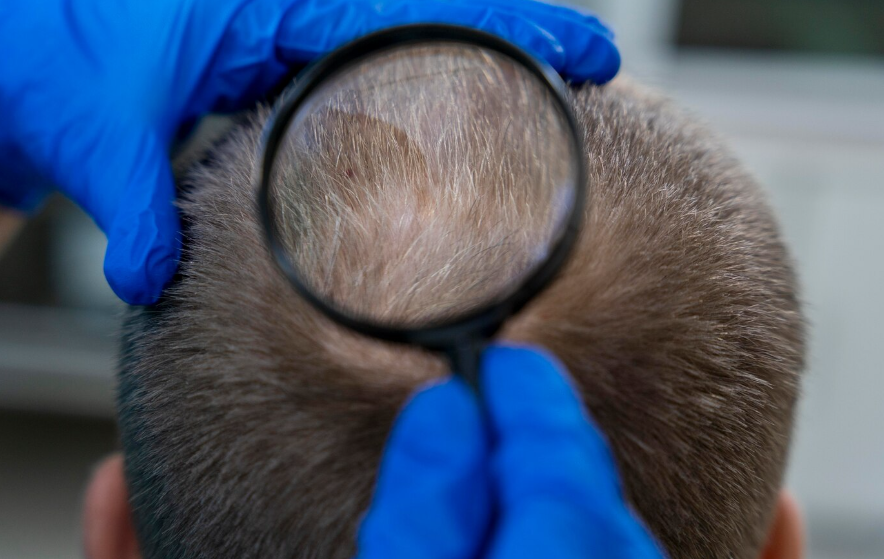
Alopecia areata is an autoimmune condition in which the body’s immune system mistakenly attacks healthy hair follicles, resulting in hair loss. The most characteristic feature of this condition is the sudden appearance of round, smooth, hairless patches on the scalp. However, it can also affect other areas such as the beard, eyebrows, eyelashes, and even the entire body in more severe cases. There are several forms of alopecia areata, including: Alopecia Areata Patchy: The most common type, where one or more coin-sized patches of hair loss occur. Alopecia Totalis: Complete hair loss on the scalp. Alopecia Universalis: Complete hair loss on the scalp and body, including eyebrows and eyelashes. Diffuse Alopecia Areata: Sudden, unexpected thinning of hair rather than distinct patches. Ophiasis: Hair loss in a wave-like pattern around the scalp's sides and lower back.
What Causes Alopecia Areata?
While the exact cause of alopecia areata is not fully understood, it is widely accepted to be an autoimmune disorder. The immune system, which usually protects the body against invaders like viruses and bacteria, mistakenly targets hair follicles, leading to hair loss. Several factors are believed to contribute to the development of alopecia areata: Genetics: Family history plays a role. Individuals with a close relative who has alopecia areata or another autoimmune disorder are at higher risk. Environmental Triggers: Stress, viral infections, and trauma may trigger the onset in genetically predisposed individuals. Autoimmune Diseases: People with conditions like thyroid disease, vitiligo, or type 1 diabetes have a higher likelihood of developing alopecia areata.
Symptoms of Alopecia Areata
The primary symptom of alopecia areata is hair loss in small, round, smooth patches. However, the disease can present differently in each individual: Sudden hair shedding without pain or itching Tingling or burning in the area before hair loss Nail changes, including pitting or ridging, in up to 20% of cases Regrowth of white or gray hair in affected areas The progression of alopecia areata can be unpredictable. Some individuals experience spontaneous regrowth, while others may have recurrent cycles of hair loss and regrowth over many years.
How Is Alopecia Areata Diagnosed?
Alopecia areata is typically diagnosed through a clinical examination by a dermatologist. In many cases, visual inspection of the scalp and affected areas is sufficient. However, the following diagnostic methods may also be used: Dermatoscopy: To examine hair follicles and rule out other conditions like tinea capitis. Pull Test: To assess hair fragility and shedding activity. Scalp Biopsy: In uncertain cases, a small sample of scalp tissue may be taken for laboratory analysis. Blood Tests: To check for associated autoimmune or thyroid conditions. Early diagnosis can help with timely treatment and better management of symptoms.
Treatment Options for Alopecia Areata
Although there is currently no definitive cure for alopecia areata, various treatments are available to help manage the condition and promote hair regrowth. Treatment choices depend on the severity, extent of hair loss, and patient preference. Topical Treatments Corticosteroids: Anti-inflammatory creams or ointments that suppress the immune response. Often used in mild cases. Minoxidil: Over-the-counter treatment that stimulates hair growth. Works best for patchy alopecia. Anthralin: A synthetic tar-like substance that alters immune function in the skin. Injections and Systemic Medications Corticosteroid Injections: Injected directly into bald patches to reduce inflammation and encourage regrowth. Oral Corticosteroids: Used in extensive or rapidly progressing cases, though not recommended for long-term use due to side effects. JAK Inhibitors (Janus Kinase inhibitors): A promising class of drugs (like tofacitinib and ruxolitinib) showing effectiveness in severe alopecia areata. Alternative and Natural Therapies Acupuncture and Aromatherapy: Used by some individuals to manage stress and promote circulation. Supplements: Biotin, zinc, and vitamin D may help support hair health, though evidence is limited. PRP (Platelet-Rich Plasma): A regenerative treatment that involves injecting your own plasma into the scalp to stimulate follicles.
Living with Alopecia Areata
Living with alopecia areata can be emotionally and socially challenging. The sudden change in appearance can lead to self-esteem issues, anxiety, and depression. Support from mental health professionals, support groups, and loved ones is crucial. Coping Tips Use Wigs or Head Coverings: Many stylish and natural-looking options are available. Focus on Overall Health: A balanced diet, exercise, and good sleep support immune function. Stress Management: Techniques like meditation, yoga, and therapy can help reduce triggers. Educate Others: Raise awareness in your social and work environments to foster understanding.
Alopecia Areata in Children
Alopecia areata often begins in childhood and can be particularly distressing for young patients. Children may face bullying or social exclusion due to their appearance. Pediatric dermatologists may use less aggressive treatment options, and psychological support is especially important.
Is Alopecia Areata Contagious?
No, alopecia areata is not contagious. It cannot be transmitted through physical contact, sharing personal items, or any other means. Misconceptions about the condition can lead to stigma, which is why education and awareness are vital.
Research and Advances in Alopecia Areata
Scientific research on alopecia areata is ongoing, and significant progress has been made in recent years. JAK inhibitors have shown promising results in clinical trials, offering hope for more effective treatments in the near future. Additionally, genetic research is helping scientists better understand the disease mechanism and identify potential therapeutic targets. Current Clinical Trials and FDA Approvals In 2022, the FDA approved baricitinib, a JAK inhibitor, for the treatment of severe alopecia areata in adults. This marked a turning point in therapeutic approaches and sparked renewed interest in systemic treatments.
Frequently Asked Questions
Can alopecia areata be cured? There is currently no permanent cure, but many people experience spontaneous hair regrowth. With appropriate treatment, symptoms can be managed effectively. Is alopecia areata hereditary? Yes, genetics play a role. Having a close family member with alopecia areata or other autoimmune diseases increases the risk. Does diet affect alopecia areata? While no specific diet cures the condition, a balanced, anti-inflammatory diet can support overall immune health. Nutritional deficiencies may exacerbate hair loss. How long does it take for hair to regrow? Regrowth varies. Some individuals see regrowth within a few months, while others may take longer or experience recurring hair loss. Can stress cause alopecia areata? Stress is believed to be a potential trigger in genetically predisposed individuals. Managing stress may help prevent flare-ups.