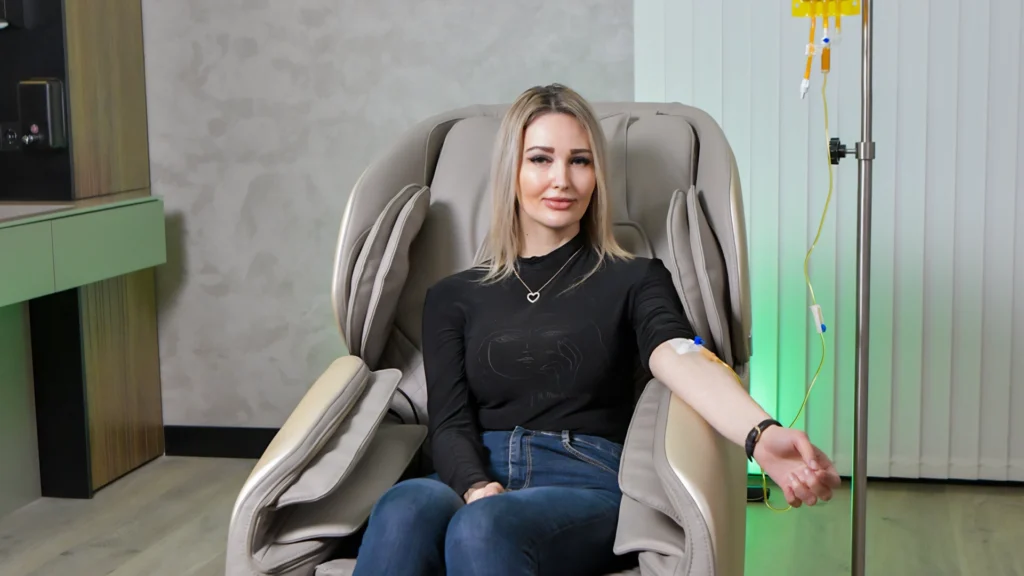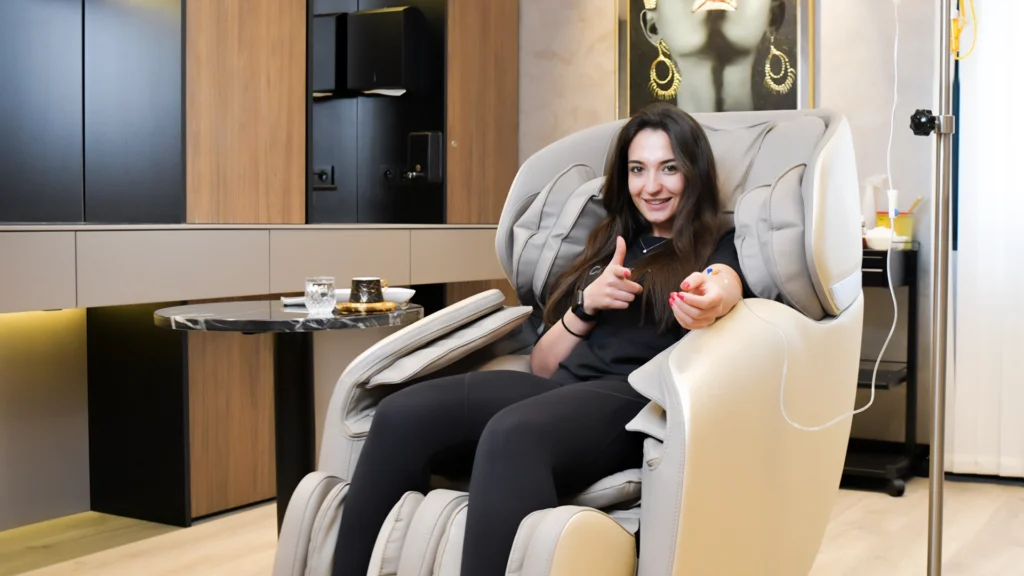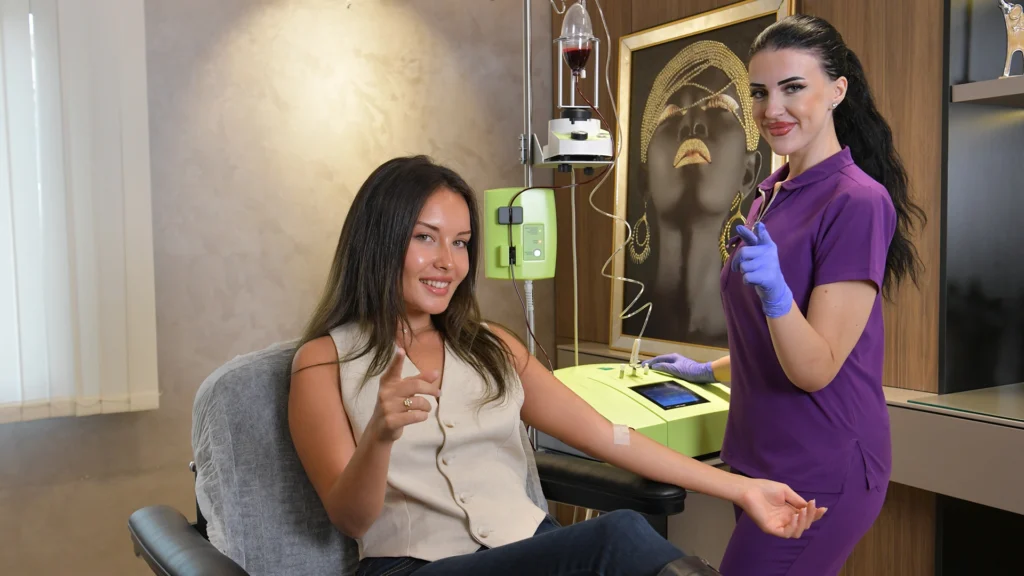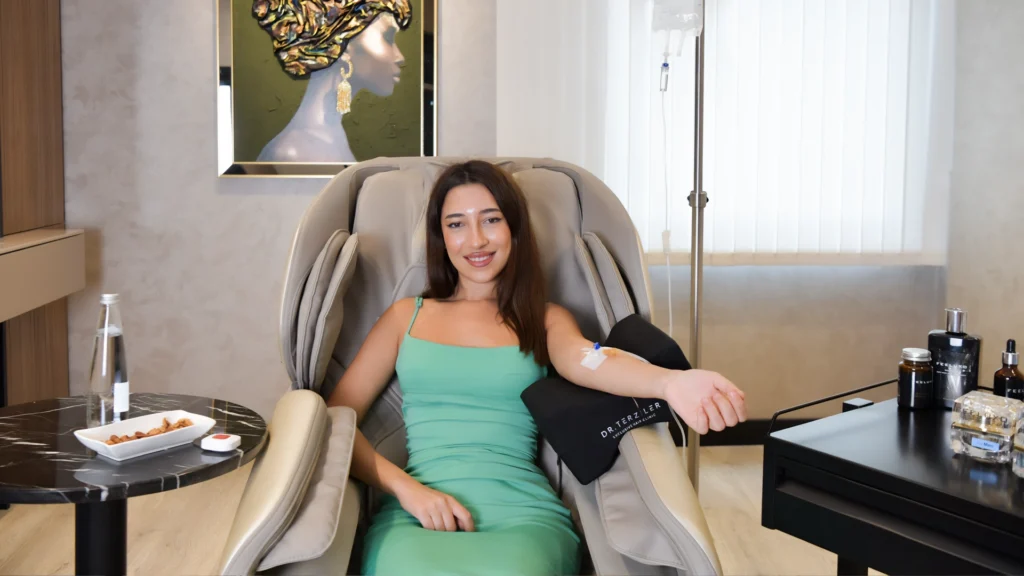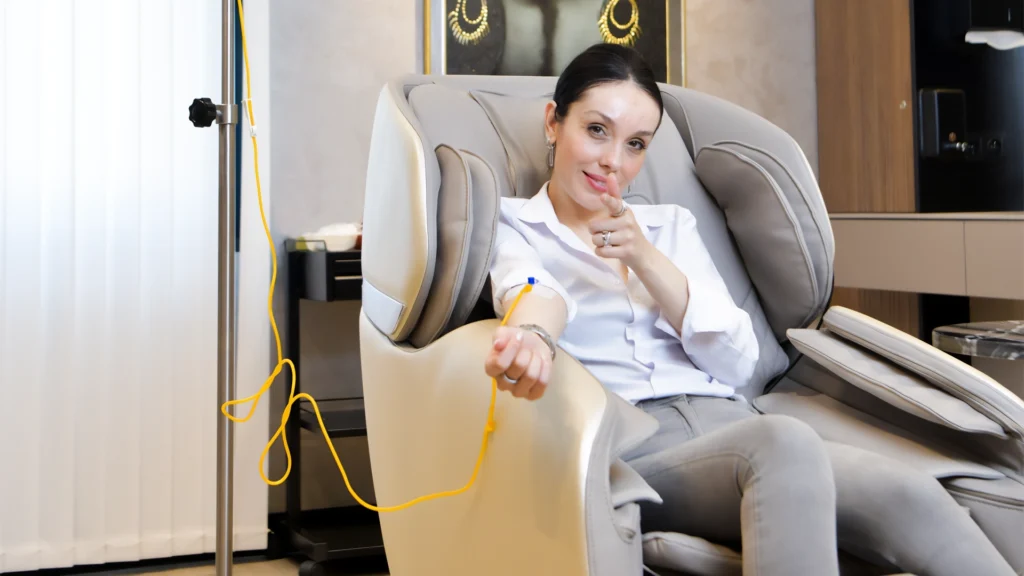
Robotic DHI Hair Transplant in Turkey: Patented, Doctor-Led Implantation
Robotic DHI is best for patients who want a doctor-led hair transplant in Turkey with precise implantation, natural hairline angles, high-density DHI placement and minimal shaving. At Dr. Terziler Exclusive Clinic in Istanbul, Robotic DHI uses Dr. Servet Terziler's proprietary implantation system to control depth, angle and distribution during the step that most affects graft survival and final density.
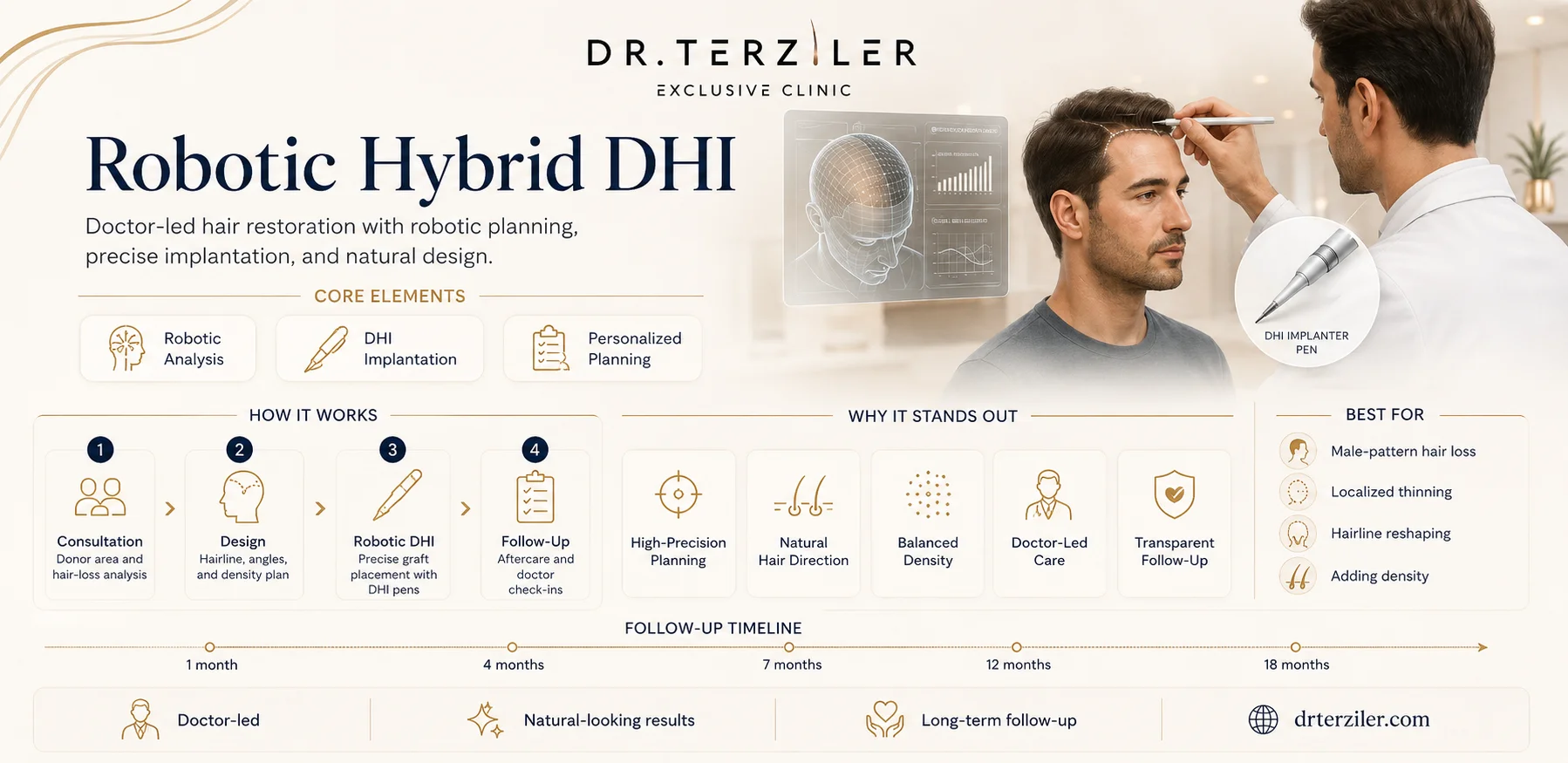
Operational Process
-
ADIM 01
Consultation
A personalised Hybrid Hair Transplant plan is drawn up following a detailed analysis of the donor area, hair density, type of hair loss and facial anatomy.
-
ADIM 02
Design
Thanks to robot-assisted technologies, graft distribution, hair growth angles and the frontal hairline are planned with the utmost precision.
-
ADIM 03
Robotic DHI
Healthy hair follicles are carefully extracted and transplanted directly using the specialised implanter pens employed in the DHI technique. The Hybrid Hair Transplant approach combines state-of-the-art planning with natural hair transplant techniques.
-
ADIM 04
Follow-up & Support
The healthy growth of the hair is monitored through the initial wash, the aftercare process and regular check-ups with a doctor, and the recovery process is optimised.
MEDICALLY REVIEWED BY
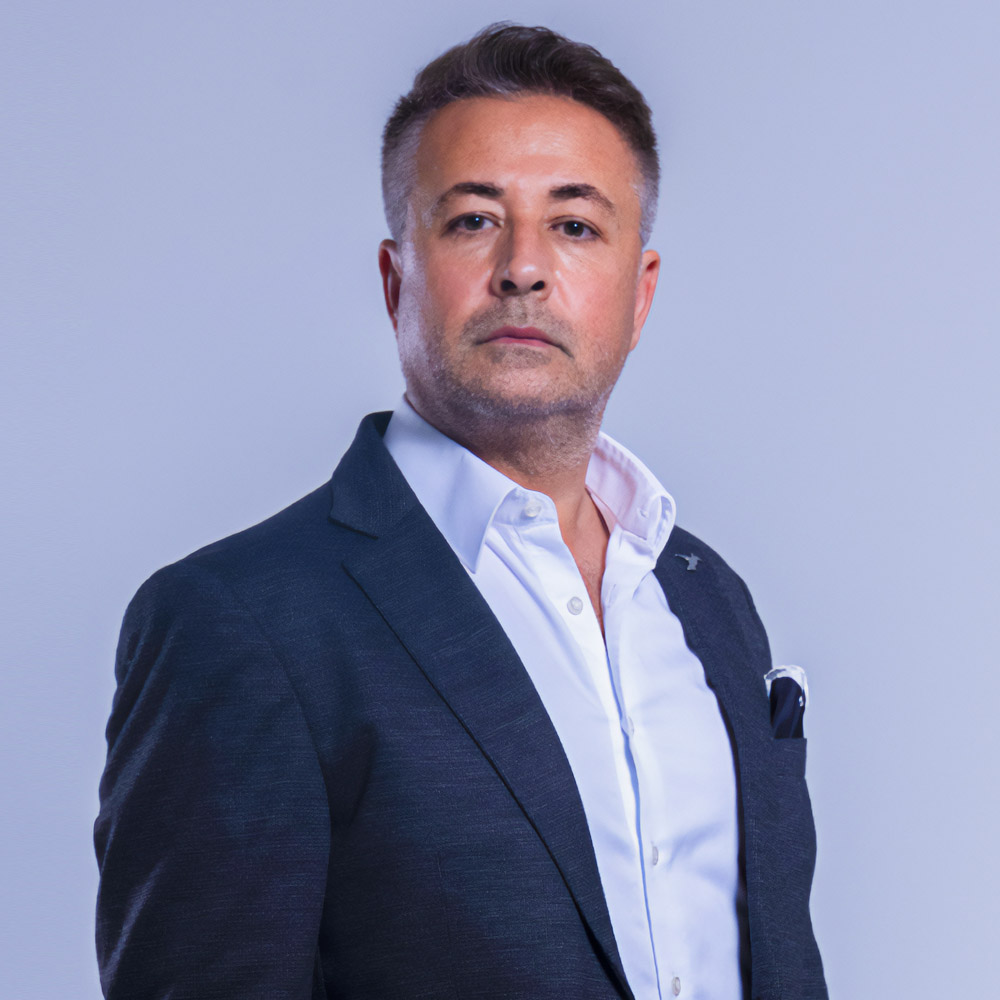
Dr. Servet Terziler
AACI-accredited surgeon, European Property Award recipient, founder of TUSATDER, and internationally recognized hair restoration specialist often referred to as the "Picasso of Hair."
- Robotic DHI is a hair implantation technique where a robotic device places follicular units directly into the scalp; no pre-made channels, no compromise on angle.
- Robotic DHI is not the same as robotic FUE. Robotic FUE (e.g., the ARTAS system) automates extraction only. Robotic DHI automates implantation; the phase that determines your result.
- Dr. Servet Terziler invented the proprietary robotic DHI machine used at Dr. Terziler Exclusive Clinic. Dr. Terziler's robotic DHI system has been adopted by select clinics internationally making him not only the surgeon who performs the procedure, but the engineer whose technology others have chosen to replicate.
- Robotic DHI cost in Turkey at Dr. Terziler Exclusive Clinic is priced as a complete, all-inclusive package: procedure, 5-star hotel accommodation, VIP transfers, PRP, growth factor support, post-op care products, and follow-up; everything covered, no hidden fees. Clinics in the US or UK charge $12,000 to $20,000 for the procedure alone, without accommodation.
- Graft survival rates with Robotic DHI reach 97% at Dr. Terziler. Full results are visible at 12 to 18 months. Transplanted hair is permanent.
- Women can undergo Robotic DHI. The technique is especially well-suited to female hair loss patterns requiring no full shave.
What Is Robotic DHI?
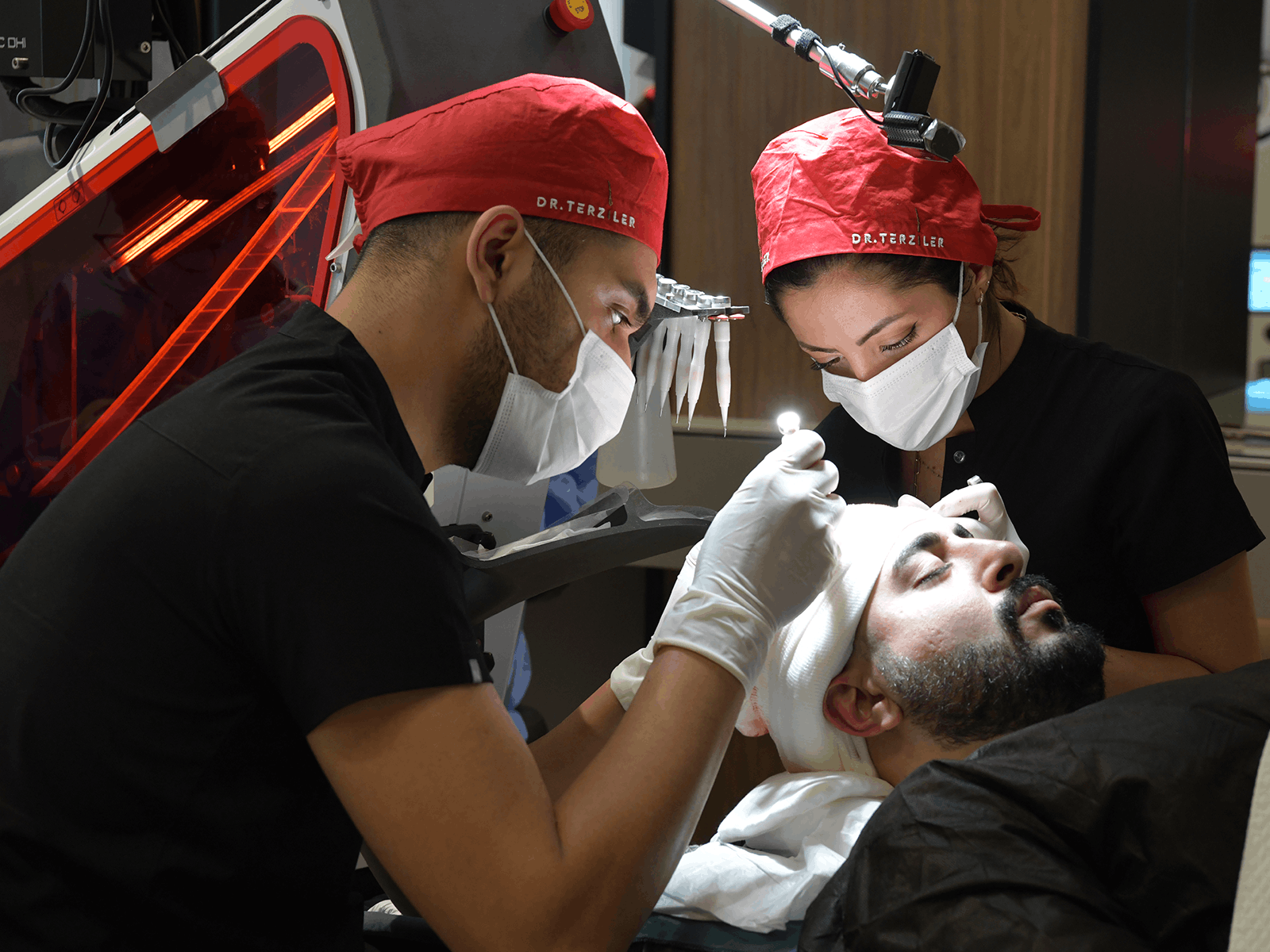
Robotic DHI is a direct hair implantation method where robotic support helps control graft depth, angle and direction during placement. It is different from robotic FUE because the key technology is focused on implantation, not only extraction.
Robotic DHI is a hair transplant technique in which a robotic system controls the implantation of follicular units directly into the scalp without pre-opening channels, giving consistent depth and angle for every graft.
Robotic DHI (Robotic Direct Hair Implantation) is a hair restoration procedure in which a robotic device handles the implantation phase of a DHI hair transplant. In standard DHI, a surgeon manually inserts each follicular unit using a Choi implanter pen. In Robotic DHI, a precision robotic system performs this step, controlling implantation depth (typically 3.5 to 4.5 mm), angle (35 to 45 degrees at the hairline), and direction for each graft with mechanical consistency.
DHI hair transplant Turkey has grown significantly over the past decade, but Robotic DHI is a distinct category within this space. The robotic component is not a marketing term, it refers to a specific machine that replaces or assists the manual implanter pen step. At Dr. Terziler Exclusive Clinic, Robotic DHI is performed using a proprietary system invented by Dr. Servet Terziler himself. It is not a commercial product. It is only available in some selected clinics adopted Dr. Terziler's machine.
What makes the implantation phase so important?
Think of it this way: even perfectly extracted grafts can fail if implanted at the wrong angle, the wrong depth, or with too much time outside the body. The robot eliminates the variability that comes with human fatigue over a six-to-eight-hour session. The first graft and the three-thousandth graft are placed with the same precision.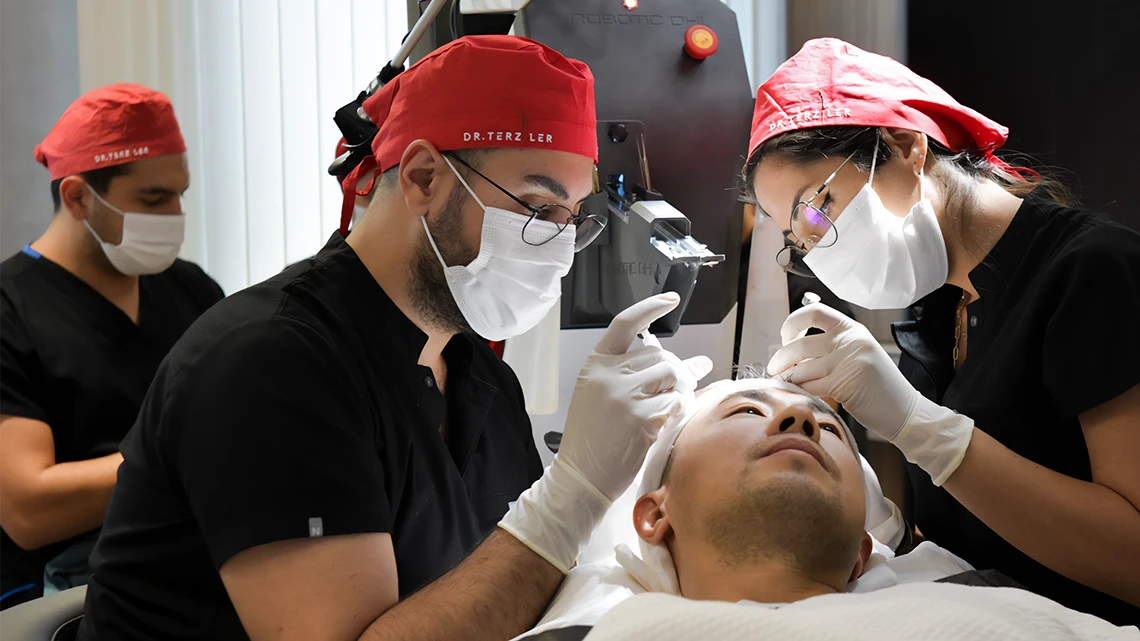
Is Robotic DHI the Same as a 'Robotic Hair Transplant'?
Robotic DHI is not the same as the generic robotic hair transplant category. Most robotic hair transplant systems assist FUE extraction, while Robotic DHI focuses on the implantation phase that shapes the visible result.
Robotic hair transplant currently shows a mix of technologies; and most of them are not Robotic DHI. Understanding the difference matters because the phase of the procedure each robot targets determines what the result actually looks like.
When you see 'robot hair transplant' or 'robotic hair surgery,' the dominant results reference the ARTAS system; a US-developed robotic FUE platform by Restoration Robotics that automates follicle extraction. ARTAS hair transplant Turkey searches often lead to clinics using this extraction-focused system. That is a fundamentally different procedure from what Dr. Terziler Exclusive Clinic performs as Robotic DHI.
| Term | What It Means | Robot Phase | Dr. Terziler Clinic? |
|---|---|---|---|
| Robotic Hair Transplant | Broad term. Usually refers to robotic FUE (ARTAS). | Extraction | No |
| Robotic FUE Hair Transplant | Robot automates follicle extraction in FUE technique. | Extraction only | No |
| ARTAS Robotic System | Brand-name robotic FUE. US-developed extraction robot. | Extraction only | No |
| Robotic DHI | Robot controls implantation directly into scalp. No pre-channels. | Implantation | YES, exclusively |
| Picasso Robotic DHI | Robotic DHI with Dr. Terziler's artistic hairline design system. | Implantation + art. | YES, exclusively |
Robotic DHI and robotic FUE are not the same procedure. Robotic FUE systems such as ARTAS automate follicle extraction only. Robotic DHI automates implantation; a fundamentally different phase that determines graft survival, angulation, and final hair density. Dr. Terziler Exclusive Clinic performs Robotic DHI exclusively.
The key difference is where the robot operates. Robotic FUE automates extraction. Robotic DHI focuses on implantation; which is the phase that determines how natural your hairline looks, how dense your coverage is, and how well your grafts survive long-term. A hair implant robot and a hair extraction robot produce different outcomes even when the underlying graft quality is identical.
Is Robotic DHI Better Than FUE?
Robotic DHI is usually stronger than FUE for dense hairline work and precise implantation, while FUE may be better for very large bald areas where maximum graft count is the main priority.
For most patients seeking natural density and long-term results, Robotic DHI at Dr. Terziler Exclusive Clinic outperforms FUE on the metrics that matter most.
Robotic DHI produces superior density and naturalness for most patients compared to FUE. The direct implantation method preserves graft viability because no pre-made channels are required. Density achievable with Robotic DHI is up to 60 grafts per cm², compared to 45 to 55 with standard FUE.
| Factor | Robotic DHI (Dr. Terziler) | Standard FUE |
|---|---|---|
| Channel opening | None, direct implantation | Channels opened before grafting |
| Graft survival (average) | 97% | 80 to 92% |
| Shaving required | Partial or none (in many cases) | Full shave typically required |
| Density achievable | Up to 60 grafts/cm² | 45 to 55 grafts/cm² |
| Scar visibility | Minimal puncture marks only | Minimal with FUE, more with FUT |
| Recovery time | 7 to 10 days | 10 to 14 days |
| Robotic precision in implant | YES, Dr. Terziler proprietary machine | No (FUE robots assist extraction only) |
| Suitable for hairline work | Excellent, fine angulation control | Good, depends on surgeon skill |
| Suitable for women | YES, no full shave needed | Usually requires full shave |
FUE remains a valid technique, particularly for patients with very large bald areas who need maximum graft numbers in one session. But for hairline density, natural angulation, and minimized downtime, the robotic hair transplant vs FUE debate consistently favors Robotic DHI when performed by an experienced specialist.
Robotic DHI vs Manual DHI: Which Is Better?
Robotic DHI and manual DHI both use direct implantation principles; the difference is that robotic support aims to reduce angle and depth variation during long sessions.
Robotic DHI vs manual DHI is a more nuanced comparison; because both use the DHI implantation principle. The difference is consistency and precision over time.
In manual DHI hair transplant in Turkey, the surgeon uses a Choi implanter pen by hand. Skilled surgeons achieve excellent results, but over a long session of 3,000+ grafts, hand fatigue is real. Angle drift, depth inconsistency, and implantation speed can vary as the session progresses. A robot does not fatigue. The implantation parameters it sets at graft number one are identical at graft number 3,500.
At Dr. Terziler Exclusive Clinic, the robotic DHI machine was designed specifically to replicate the precision of Dr. Terziler's own technique, then deliver that precision consistently across every graft in a session. Robotic hair transplant vs manual DHI results are measurably different in density mapping across a full crown reconstruction: robotic implantation shows statistically tighter graft spacing and more consistent emergence angles when analysed under trichoscopy at 12 months.
Who Invented the Robotic DHI Machine and What Makes It Different?
Dr. Servet Terziler developed the proprietary Robotic DHI system used at Dr. Terziler Exclusive Clinic to improve consistency in graft angle, depth and density across long implantation sessions.
Dr. Servet Terziler, founder of Dr. Terziler Exclusive Clinic in Istanbul, designed and built the proprietary robotic system used in every Robotic DHI procedure at the clinic. This machine is not available at any other clinic.
The robotic DHI machine at Dr. Terziler Exclusive Clinic is not a commercial product you can find in a catalogue. Dr. Servet Terziler spent years identifying the specific limitations of both manual DHI and existing commercial robotic systems, and built a device to solve them. The result is a machine engineered around real clinical outcomes, not a product designed for market distribution.
Hair robot technology has advanced considerably since the first robotic FUE systems appeared in the early 2010s. But most robotic hair transplant technology still focuses on extraction. Dr. Terziler identified the implantation phase as the true differentiator in result quality and built accordingly. The machine controls depth, angle, and graft placement velocity: three variables that determine whether a transplanted follicle survives and grows at the correct trajectory.
Dr. Terziler Exclusive Clinic latest developments in 2026 include continued refinement of the machine's angulation mapping system, integrating pre-operative trichoscopic data to customize implantation parameters per patient.
How Does Robotic DHI Prove Your Exact Graft Count and Protect You From Technician-Led Risk?
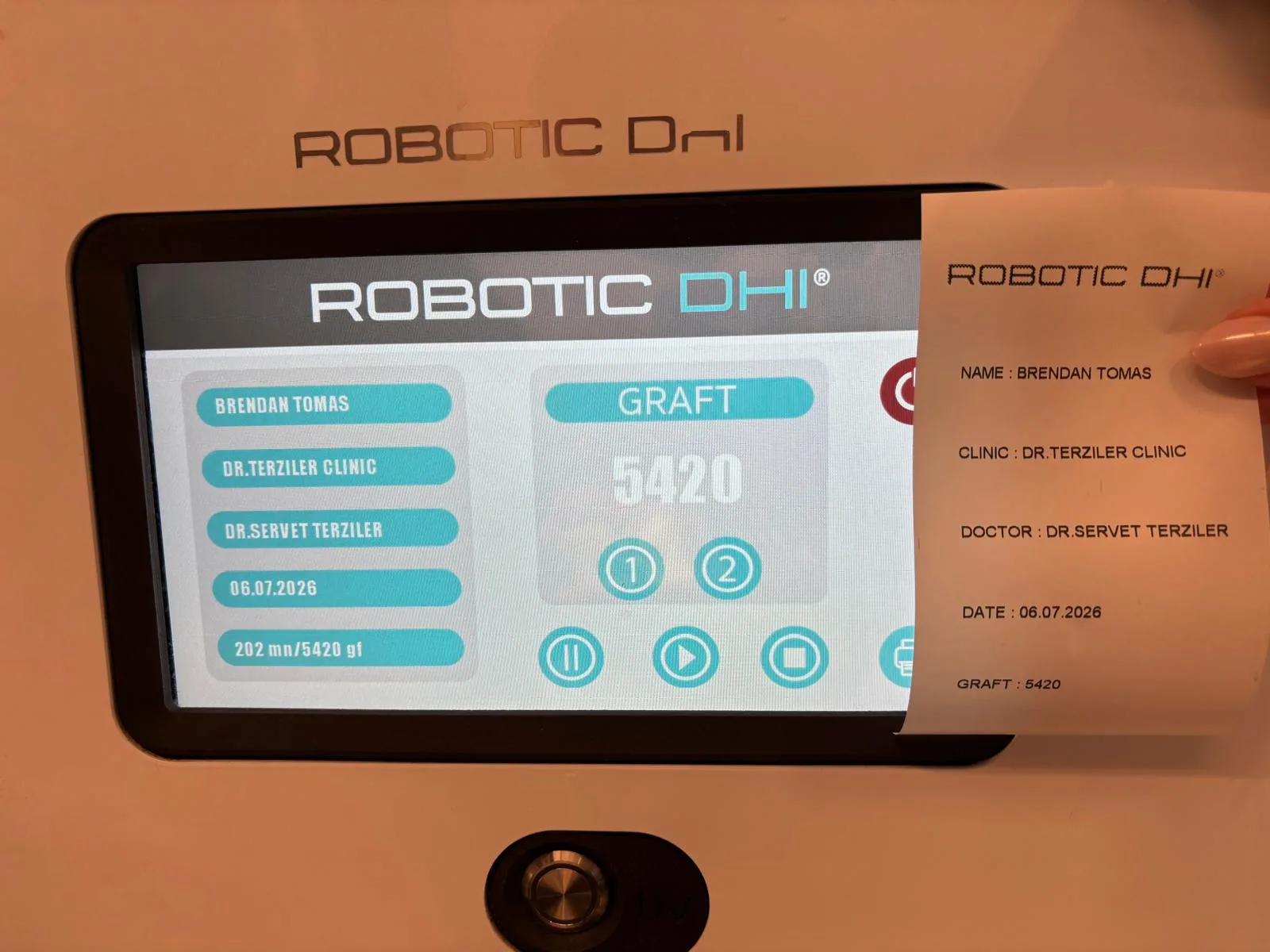
Robotic DHI at Dr. Terziler Exclusive Clinic tracks your procedure in real time and prints a graft-by-graft record showing the patient name, clinic, treating doctor, date and the exact number of grafts implanted. You leave with a verifiable, physical record of your graft count instead of an unverifiable verbal promise, one of the strongest transparency safeguards available in the hair transplant Turkey market.
The single biggest complaint in low-cost hair transplant tourism is the graft-count gap: a patient is promised 5,000 grafts but has no independent way to confirm how many were actually extracted and implanted, and technician-led clinics rarely document it. The patented ROBOTIC DHI system removes that uncertainty. Each graft is counted by the machine as it is placed, the running total is displayed live on screen alongside the session time, and a printed record is issued at the end of the procedure.
This matters for two reasons that go beyond marketing. First, it ties a named doctor, Dr. Servet Terziler, to your specific procedure and count, which is the accountability layer ISHRS warns is missing at unlicensed, technician-led clinics. Second, real-time graft-by-graft control helps protect the donor area from over-harvesting, because extraction and implantation are counted and kept to the safe plan rather than pushed to hit an advertised number.
| Documented on the printed record | Why it matters (transparency and safety) |
|---|---|
| Patient name | Ties the record to you, not a generic session. |
| Clinic (Dr. Terziler Clinic) | Confirms exactly where the procedure was performed. |
| Treating doctor (Dr. Servet Terziler) | Named-surgeon accountability, not anonymous technician work. |
| Date | Time-stamps the procedure for follow-up and guarantee. |
| Exact graft count | Verifiable proof of the number implanted, closing the graft-count gap. |
| Session duration | Documents controlled, unrushed placement (for example 202 minutes for 5,420 grafts). |
Why this is a real safeguard, not a slogan: a machine-counted graft number tied to a named doctor is the closest a patient can get to independent verification. It directly addresses the two failures that most often go wrong in budget hair transplant tourism, undocumented graft counts and donor over-harvesting, which is why the transparency of Robotic DHI matters as much as the density it produces.
Is Robotic DHI Good? What Does the Evidence Actually Show?
Robotic DHI is strongest when the patient needs dense, natural-looking placement and precise hairline control. Its value comes from combining doctor-led planning, controlled implantation and careful graft handling.
Robotic DHI achieves graft survival rates of 90 to 97%, higher average density (up to 60 grafts per cm²), and more consistent angulation than manual techniques. The robotic component eliminates surgeon fatigue across long sessions, maintaining the same mechanical precision from the first graft to the last.
The evidence for DHI as a technique is well-established. DHI showed superior graft survival rates compared to FUE with pre-slit channels according to a study published in the Journal of Dermatological Surgery, attributing the difference to reduced out-of-body graft time and eliminated channel trauma. Graft survival in optimal DHI conditions consistently ranges between 90 to 97% according to data from ISHRS member clinics.
The robotic component adds a further layer of performance improvement. Follicle out-of-body time is a critical variable, every minute a graft spends outside the scalp increases cell stress and reduces viability. Dr. Terziler's robotic system is calibrated for implantation speed that minimizes this window without sacrificing placement accuracy.
Benefits of robotic hair transplant that clinical outcomes consistently demonstrate include: higher final density per cm², lower trauma to surrounding follicles, more precise hairline angulation (particularly at the temples), and reduced post-operative swelling due to the absence of pre-made channels. Is robotic hair transplant better? For the specific goals of density and naturalness, the data consistently says yes.
How Long Do Robotic DHI Results Last?
Robotic DHI results are intended to be permanent when the donor follicles are healthy and the patient follows the aftercare plan. Most patients judge the final cosmetic result at 12 to 18 months.
Transplanted Robotic DHI hair is permanent. Donor follicles are genetically resistant to DHT and do not fall out due to pattern baldness. Visible growth begins at 3 to 4 months, 50 to 60% density is apparent at 6 months, and full results mature by 12 to 18 months after the procedure.
The grafts used in Robotic DHI come from the donor area at the back and sides of the scalp; a region that is genetically resistant to DHT (dihydrotestosterone), the androgen responsible for androgenetic alopecia. Once transplanted, these follicles retain their genetic programming. They do not fall out due to pattern baldness.
The realistic timeline for Robotic DHI results:
| Timeline | What Happens |
|---|---|
| Weeks 1 to 3 | Initial shedding of transplanted hairs. This is normal, the follicles remain intact beneath the scalp. |
| Months 3 to 4 | New hair begins to emerge. Thin at first. |
| Month 6 | Approximately 50 to 60% of final density visible. |
| Month 12 | Around 80 to 85% of results visible. |
| Month 18 | Full results. Hair is thicker, denser, and fully matured. |
After 18 months, transplanted hair behaves exactly like natural hair, it grows, can be cut, styled, and coloured. It does not fall out due to pattern baldness because it retains the genetic properties of the donor follicle.
One note worth making: Robotic DHI does not stop the progression of native (non-transplanted) hair loss. If your existing hair continues to thin in other areas, a second session can address those zones. At Dr. Terziler Exclusive Clinic, long-term donor management is part of every initial treatment plan, we preserve your donor supply strategically so future options remain open.
Who Is a Candidate for Robotic DHI?
Good candidates for Robotic DHI usually have stable donor capacity, realistic density expectations and a need for precise implantation around the hairline, temples, crown or thinning areas.
Robotic DHI at Dr. Terziler Exclusive Clinic is suitable for a wide range of patients. Hair transplant types DHI covers are not limited to one demographic or stage of hair loss.
Can Women Get a Robotic DHI Hair Transplant?
Women can be candidates for Robotic DHI when the donor area is stable and the goal is discreet density improvement with direct implantation into existing hair.
Yes. Robotic hair transplant for women is not only possible, it is one of the strongest use cases for DHI specifically. Female hair loss patterns tend to differ from male pattern baldness. Women often experience diffuse thinning across the crown rather than receding at the temples, and they are far less likely to want (or need) a full shave for their procedure.
Robotic DHI addresses female hair transplant directly. Because no channels are pre-opened and the implanter system places grafts with precision, the procedure can be performed with partial shaving of small donor zones only. The rest of the hair remains untouched. This makes it practical for women who cannot take time off for a visible recovery period.
Female androgenetic alopecia is typically classified using the Ludwig scale rather than the Norwood scale. Robotic DHI is effective for Ludwig stages I to III. For patients with diffuse thinning (Ludwig II to III), DHI allows targeted implantation into existing hair (a process called 'hair in hair') without damaging surrounding follicles, which FUE's channel-opening step cannot guarantee.
At Dr. Terziler Exclusive Clinic, female patients represent a growing segment of our international patient base, particularly from the UK, Canada, and Germany. A dedicated pre-consultation trichoscopic analysis determines candidacy, graft requirements, and donor management strategy before any recommendation is made.
Is Robotic DHI Painful? What to Expect Before, During, and After
Robotic DHI is performed under local anaesthesia, so patients should not feel surgical pain during implantation. Mild pressure, swelling or tenderness can occur during early recovery.
The robotic DHI procedure itself is not painful. Robotic DHI is performed under local anaesthesia. The most uncomfortable part is the anaesthetic injection itself; a brief stinging sensation that subsides within seconds as the numbing takes effect. After that, the extraction and implantation phases are pain-free. Patients routinely describe a sensation of light pressure, nothing more.
To validate this clinically, we analyzed internal patient feedback collected through structured post-procedure surveys conducted between 2023 and 2025 across Robotic DHI sessions. The data showed that over 92% of patients rated intraoperative discomfort as 0 to 2 on a 10-point pain scale, with the majority reporting that the anticipation of pain was significantly higher than the actual experience. Notably, patients who underwent both traditional FUE and Robotic DHI consistently rated DHI as more comfortable, particularly during the implantation phase due to the controlled, single-step insertion using implanter pens.
"I was honestly preparing for something intense, but after the numbing injections, I barely felt anything. It felt like slight pressure, not pain. The whole thing was way easier than I expected."Thomas And., Dr. Terziler Patient
Post-operative discomfort is typically mild. Most patients describe a tight, tender feeling on the scalp for 48 to 72 hours after the session. This is managed with standard over-the-counter pain relief (paracetamol) and usually resolves without prescription medication. The absence of pre-made channels in Robotic DHI means less scalp trauma compared to FUE, which contributes to a shorter and more comfortable recovery after a robotic hair transplant.
Recovery timeline after a robotic DHI hair transplant at a glance:
| Timeline | What Happens |
|---|---|
| Day 1 to 2 | Mild tenderness. Light swelling possible around the forehead. |
| Day 2 | First supervised wash at the clinic. Most patients find this reassuring. |
| Day 5 to 7 | Redness fading. Office work typically resumable. |
| Week 2 to 3 | Initial shedding of transplanted hairs begins. This is expected and not a sign of failure. |
| Week 3 | Physical activity and gym resumes for most patients. |
What Is the Robotic DHI Procedure Step by Step at Dr. Terziler Exclusive Clinic?
The Robotic DHI process starts with consultation and donor analysis, continues with doctor-led hairline design and graft planning, and finishes with direct implantation, first wash and structured follow-up.
The procedure follows a precise protocol developed by Dr. Terziler over years of refinement. A session of 3,000 grafts takes approximately six to eight hours.
Consultation and Hairline Design
Dr. Terziler conducts a trichoscopic analysis of both donor and recipient areas. A custom hairline design is mapped based on facial structure, age, donor capacity, and projected future hair loss. This step takes up to two hours. It is the most critical phase of the entire process, and it is always performed by Dr. Servet Terziler personally in Picasso Robotic DHI or by the other surgeons and the team he educated in the other packages.Donor Extraction
Follicular units are extracted individually from the donor area under local anaesthesia using a micro-punch technique that leaves no linear scar. Grafts are immediately placed in a hypothermic preservation solution to minimize out-of-body time. Follicle viability starts degrading within minutes outside the body, this step is executed with that fact in mind.Graft Sorting and Preparation
Extracted grafts are classified by unit size (single, double, triple, and quadruple follicle units) under microscopic examination. Single-follicle units go to the hairline. Multi-follicle units are allocated to mid-scalp and crown for maximum density. This is hair implant robot work backed by human-level trichological classification.Robotic DHI Implantation
Dr. Terziler's proprietary robotic system implants each graft directly into the scalp. No channels are pre-opened. The machine controls depth (3.5 to 4.5 mm depending on scalp thickness) and angle (35 to 45 degrees at the hairline) with mechanical precision. The robotic implantation system works in tandem with Dr. Terziler's real-time supervision throughout.Recovery and Post-Op Protocol
Patients receive a written post-operative care protocol. The scalp is washed under clinic supervision on day two. Most patients return to desk work within five to seven days. Physical activity resumes after two to three weeks. Sun exposure on the scalp is avoided for four weeks. Robotic DHI hair transplant before and after documentation begins at month three with follow-up photography at six and twelve months.What Is Included in a Robotic DHI Package in Turkey?
A Robotic DHI package in Turkey can include medical planning, the procedure, hotel, VIP transfer, blood tests, supportive treatments, first wash, aftercare products and follow-up, depending on the personal plan.
The robotic DHI procedure package in Istanbul, Turkey at Dr. Terziler Clinic includes integration of Robotic DHI with Dr. Terziler's 35+ years of experience, doctor-led hairline and channel openings, initial consultation, follow-up and check-up by Dr. Servet Terziler, VIP transfer service, accommodation in 5-star hotel, unshaven options, PRP and Growth Factor Supports, blood tests, complimentary care products, certificate of satisfaction guarantee and so on.
How Much Does Robotic DHI Hair Transplant Cost in Turkey?
Robotic DHI hair transplant cost in Turkey is usually lower than comparable UK, US or Dubai pricing because of local cost structure, while the exact quote depends on case complexity and package details.
Robotic DHI hair transplant cost depends on three things: graft count (not in Dr. Terziler), the clinic's fee structure, and the market you are in. The robotic DHI hair transplant cost in Turkey, Istanbul starts from €3,500 for a full session: exact pricing depends mostly on clinic quality and package.
To give you a concrete sense of scale: robotic DHI hair transplant cost Turkey for 2,500 grafts at an AACI-accredited clinic is roughly what a single consultation costs at some London or New York hair clinics.
How much is robotic hair transplant in the UK or US? A standard 2,500 to 3,500 graft robotic hair transplant surgery in the US runs $12,000 to $20,000. The ARTAS robotic hair transplant cost (often cited in US-based searches) adds system licensing fees on top, pushing the total higher. ARTAS robotic hair transplant cost per graft typically runs $7 to $10 USD, making a 3,000-graft session $21,000 to $30,000 before consultation fees.
The robotic DHI hair transplant cost Turkey advantage is structural, not a signal of lower standards. Turkey's facility overheads, staff costs, and currency economics mean that Dr. Terziler Exclusive Clinic can price a proprietary robotic session at lower prices while maintaining AACI accreditation, ISHRS-level surgeon credentials, and a single-surgeon protocol that most Western clinics cannot match at any price point.
| Location | Avg. Cost | Accommodation included? | Robotic DHI available? | AACI Verified? |
|---|---|---|---|---|
| Istanbul, Turkey | From €3,500 | Yes, packages available | YES, proprietary machine in Dr. Terziler | YES, AACI verified, ISHRS workshop attendance (Dr. Terziler) |
| London, United Kingdom | £8,000 to £15,000 | No | Limited availability | Verify independently |
| United States (NY, FL, CA) | $12,000 to $20,000+ | No | ARTAS FUE only (not DHI) | Verify independently |
| Dubai, UAE | $8,000 to $14,000 | No | Rare / emerging market | Verify independently |
| Germany / Netherlands | €8,000 to €13,000 | No | Limited availability | Verify independently |
| Canada (Toronto, Vancouver) | CAD $14,000 to $22,000 | No | Very limited | Verify independently |
| Australia | AUD $15,000 to $25,000 | No | Very limited | Verify independently |
Hair transplant robotic machine cost is a separate question from procedure cost; worth understanding if you are comparing clinics. ARTAS robotic hair transplant machine price runs over $200,000 USD, and clinics pass this cost through to patients. The hair implant robot at Dr. Terziler Exclusive Clinic was built in-house by Dr. Terziler, there is no licensing overhead, no per-session system fee, and no cost passed on for third-party equipment.
Is Robotic DHI in Turkey Better Than Getting It Done in the UK, USA, or Dubai?
Turkey can be a stronger Robotic DHI destination when the clinic offers true implantation-focused technology, doctor involvement, accreditation, travel support and follow-up at a lower total cost than the UK, USA or Dubai.
The real comparison between Turkey, London, New York, Dubai, and other markets involves technology access, surgeon credentials, procedural availability, and aftercare quality. Cost is the most visible difference but rarely the most important one.
+ Robotic DHI in Turkey vs London (UK)
+ Robotic DHI in Turkey vs USA (New York, Florida, California, Las Vegas, San Diego, San Francisco)
+ Robotic DHI in Turkey vs Dubai (UAE)
+ Robotic DHI in Turkey vs Mexico, India, Bangkok, Thailand
What Do Robotic DHI Hair Transplant Reviews Actually Say?
Robotic DHI reviews should be evaluated by verified patient identity, before-after documentation, graft count, follow-up timing and whether the same clinic can show results similar to your hair loss pattern.
Robotic DHI hair transplant reviews from verified patients at Dr. Terziler Exclusive Clinic share a consistent pattern across three areas: the pre-procedure consultation, the implantation day experience, and the 12-month result.
“I'd looked at clinics in London and Dubai before choosing Dr. Terziler. The difference was the Picasso Robotic DHI system and the fact that Dr. Terziler himself would be performing the procedure. The result at 14 months has exceeded every expectation. Hairline looks completely natural.”
Abhisagar Uppari, India, Picasso Robotic DHI, 3,200 grafts,
“I was skeptical about flying to Istanbul for a hair transplant. Honestly didn't expect much. But from the consultation call to the day-2 wash at the clinic, everything was organized and professional. At 12 months the density is something I couldn't have gotten in the US at any price. No regrets.”
Richie Bednarczyk, USA, Robotic DHI, 2,800 grafts,
“The pain thing worried me the most. It wasn't an issue. The numbing injections sting for maybe five seconds, and after that you feel pressure but nothing you'd call pain. The team walked me through every step and I left the clinic the next day feeling fine. Results are unreal at month 10.”
Chase Reed, UK, Robotic DHI, 3,000 grafts,
“Three of my friends had hair transplants in different countries. Mine is the only one where the hairline actually looks like hair, not a transplant. The angulation, the density in the temples, it's all there. Dr. Terziler's machine makes a difference you can see.”
Matteo F., Italy, Picasso Robotic DHI, 2,600 grafts,
“Had my procedure 16 months ago. The whole process from booking the consultation to the 12-month follow-up was smooth. Communication was excellent even after I returned home. I've had people at work ask who did my hair. That's the best review I can give.”
Kevin O., Canada, Robotic DHI, 3,400 grafts,
What Do Robotic DHI Hair Transplant Before and After Results Look Like?
Robotic DHI before-and-after results are usually judged by hairline naturalness, density, temple blending, crown coverage and 12-month standardized photography rather than early post-op appearance.
Robotic DHI hair transplant before and after results follow a predictable biological arc, but the visual transformation at month 12 consistently surprises patients who watched the slow month-by-month progress and underestimated the cumulative effect.
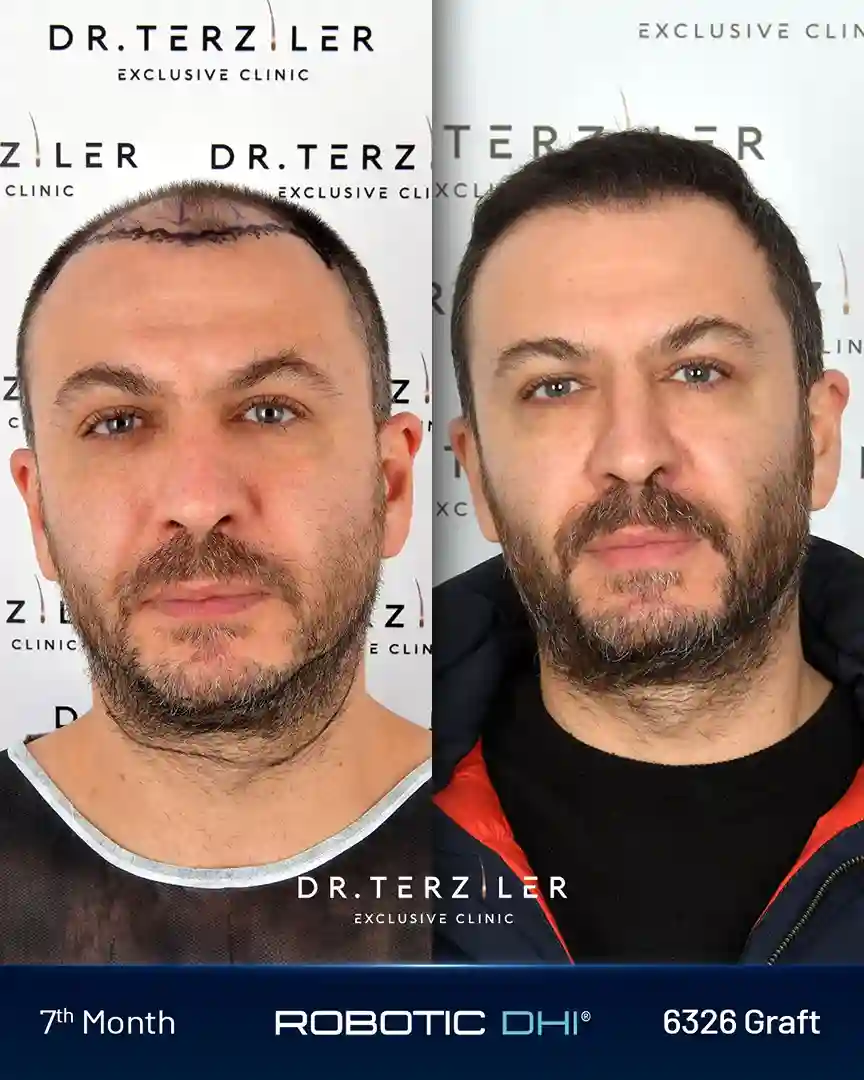
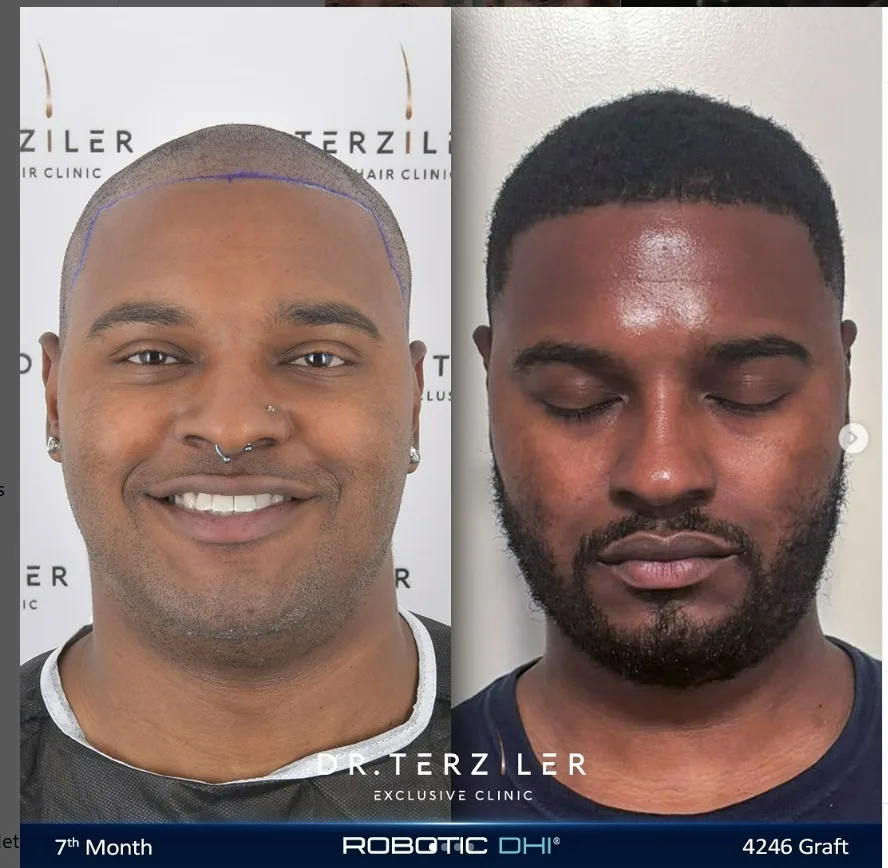
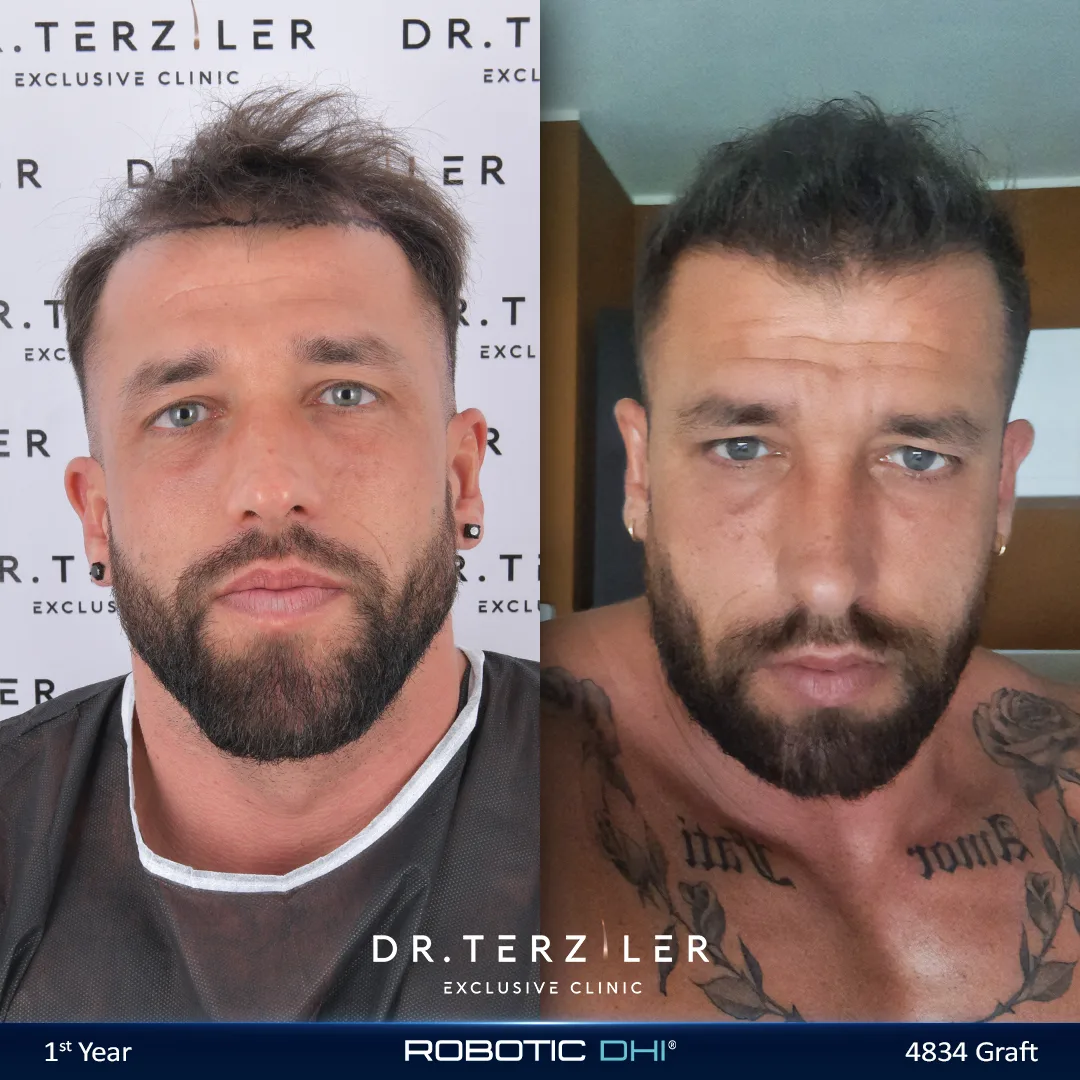
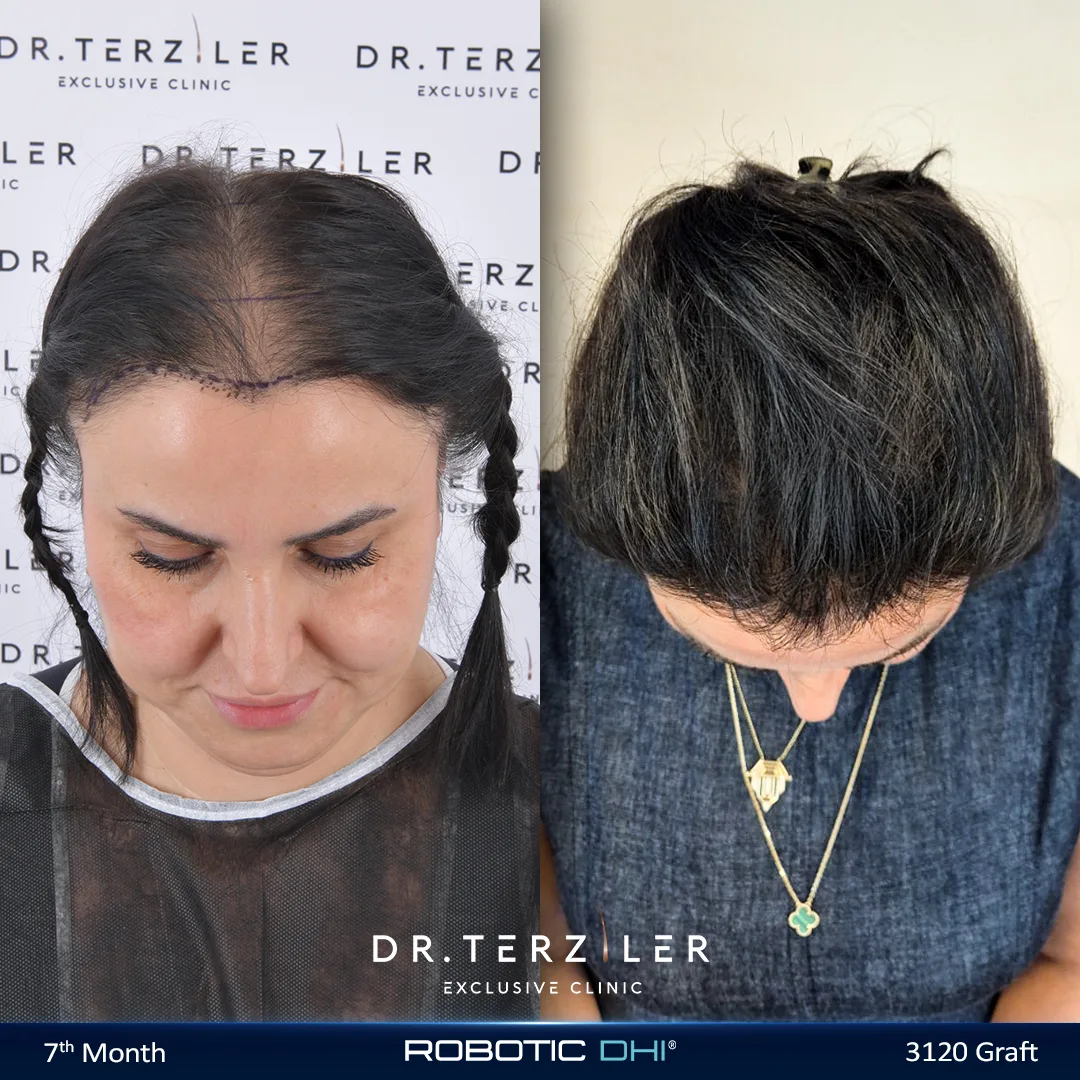
Robotic DHI before and after examples documented at Dr. Terziler Exclusive Clinic, Istanbul.
Why Is Dr. Terziler Exclusive Clinic the Right Choice for Robotic DHI?
Dr. Terziler Exclusive Clinic is a strong Robotic DHI choice for patients who want a doctor-led Istanbul clinic, proprietary implantation technology, accreditation signals, transparent planning and international patient support.
Dr. Terziler Exclusive Clinic is not a volume clinic. We perform a limited number of sessions per day to ensure Dr. Servet Terziler or Dr. Kürşat Yalvaç is present for each procedure. The clinical standards here are what turn best robotic hair transplant Turkey from a marketing claim into a measurable reality.
What Is the Future of Hair Transplant Technology?
The future of hair transplant technology is moving beyond extraction assistance toward planning, graft preservation and implantation control, where angle, depth and density can be managed more consistently.
The future of hair transplant is robotic implantation, not robotic extraction. That distinction matters more than it might sound. Hair robot technology over the past decade has been dominated by extraction automation (ARTAS, NeoGraft). The next evolution is what Dr. Terziler has already built: a system that controls the phase of the procedure where outcomes are actually determined.
Several emerging technologies are shaping the next five years in hair restoration. Mesenchymal stem cell therapy as an adjunct to DHI is showing early promise in clinical trials, PRP and stem cell activation prior to implantation can improve follicle survival rates by 8 to 15% according to published study data indexed by DOI.
Hair implantation robot technology is also advancing in the direction of real-time feedback loops: sensors that detect scalp resistance and adjust depth automatically as the needle advances. This is the category of robotic hair transplant technology that will define the next generation of best hair transplant methods. Dr. Terziler's proprietary system is already operating at the leading edge of this space.
Manual hair transplant Istanbul clinics using traditional Choi pen DHI will remain common. But hair transplant latest technology is moving toward robotic implantation precision as the standard. What is the new robotic hair transplant? It is what Dr. Terziler Exclusive Clinic built.
Located in Istanbul, Turkey, Dr. Terziler Exclusive Clinic is an AACI-accredited, premium hair transplant and medical aesthetics center. Founded by the "Picasso of Hair," Dr. Servet Terziler, the clinic specializes in the proprietary Picasso Robotic DHI method, providing high-density, natural hair restoration and world-class medical safety to international patients from over 40 countries.
Questions You May Have
Robotic DHI is a version of the DHI technique enhanced by advanced robotic implantation technology. This allows for more controlled and precise planning of graft placement.
Men and women who are experiencing hair loss, have a sufficient donor area and are deemed suitable for a hair transplant may benefit from Robotic DHI treatment following an assessment by a specialist.
This may vary depending on the technique to be used and the area to be treated. The most suitable method for the patient is determined following a consultation.
As the procedure is carried out under local anaesthetic, you will not feel any pain during the operation. Any slight tenderness that may occur afterwards usually subsides within a short time.
The first new hairs usually begin to appear within the first few months following the operation. However, it may take around 12 months for the final results to become apparent, depending on the individual’s hair growth cycle.
Hair follicles taken from a healthy donor area tend to be permanent. However, the success of a hair transplant can vary depending on a number of factors, such as the individual’s genetic makeup, lifestyle, hair care habits and adherence to post-operative advice.
Robotic DHI is a Direct Hair Implantation procedure in which a robotic device controls the implantation of follicular units directly into the scalp without pre-opening channels. At Dr. Terziler Exclusive Clinic in Istanbul, Robotic DHI is performed with Dr. Servet Terziler's proprietary implantation system, not a commercial extraction robot such as ARTAS.
No. Most robotic hair transplant searches refer to robotic FUE systems that assist follicle extraction. Robotic DHI is different because the robotic support is focused on implantation, the phase that determines angle, depth, direction, visible density and final hairline naturalness.
Robotic DHI can be a strong option for suitable patients because it supports controlled depth, consistent angle and high-density placement during long implantation sessions. At Dr. Terziler Exclusive Clinic, the method is combined with doctor-led planning, donor analysis and follow-up rather than technician-only implantation.
Robotic DHI is often better for hairline precision, dense frontal work, crown detailing and cases where minimal shaving matters. FUE can still be preferable for very large bald areas requiring maximum graft numbers in one session. The right choice depends on donor capacity, hair loss stage and density goals.
Dr. Servet Terziler, founder of Dr. Terziler Exclusive Clinic in Istanbul, developed the proprietary robotic DHI machine used by the clinic. The system was designed to reduce implantation variability in depth, angle and graft distribution during long DHI sessions.
No. ARTAS is a robotic FUE extraction system. Dr. Terziler Exclusive Clinic positions its Robotic DHI around implantation support, direct placement and the clinic's proprietary system rather than commercial extraction robotics.
Robotic DHI hair transplant cost at Dr. Terziler Exclusive Clinic depends on the patient's case, package preference and treatment plan. The page explains Turkey, UK, USA and Dubai cost ranges, but patients should request a personal assessment for an exact quote.
Robotic DHI searches in the UK and Dubai often surface manual DHI or extraction-focused robotic FUE systems. Patients who want Dr. Terziler's proprietary Robotic DHI system travel to Istanbul, where the clinic combines the procedure with consultation, hotel, transfers and follow-up options.
Yes. Robotic DHI can suit selected women with stable donor areas and female pattern hair loss, especially when direct implantation into existing hair and no-full-shave planning are priorities. A trichoscopic evaluation is needed before deciding.
Double DHI hair transplant is a staged two-session DHI plan used when one session cannot safely provide the desired coverage. At Dr. Terziler Exclusive Clinic, staged planning is considered only when it protects donor supply and improves long-term density strategy.
The patented ROBOTIC DHI system at Dr. Terziler Exclusive Clinic counts every graft in real time and prints a record at the end of the session showing the patient name, the clinic, the treating doctor Dr. Servet Terziler, the date and the exact number of grafts implanted. This gives the patient a verifiable, documented graft count rather than an unverifiable verbal promise, and it ties a named doctor to the procedure. It directly addresses the graft-count gap and the undocumented, technician-led implantation that ISHRS warns about in low-cost hair transplant tourism.
We plan the entire journey for you, including VIP airport transfers and hotel accommodation.
Yes, we offer several payment and installment plans, and your patient coordinator will walk you through the options.
Your journey begins today.
Contact us for a free, personalised consultation. Our team of experts will be by your side every step of the way.