

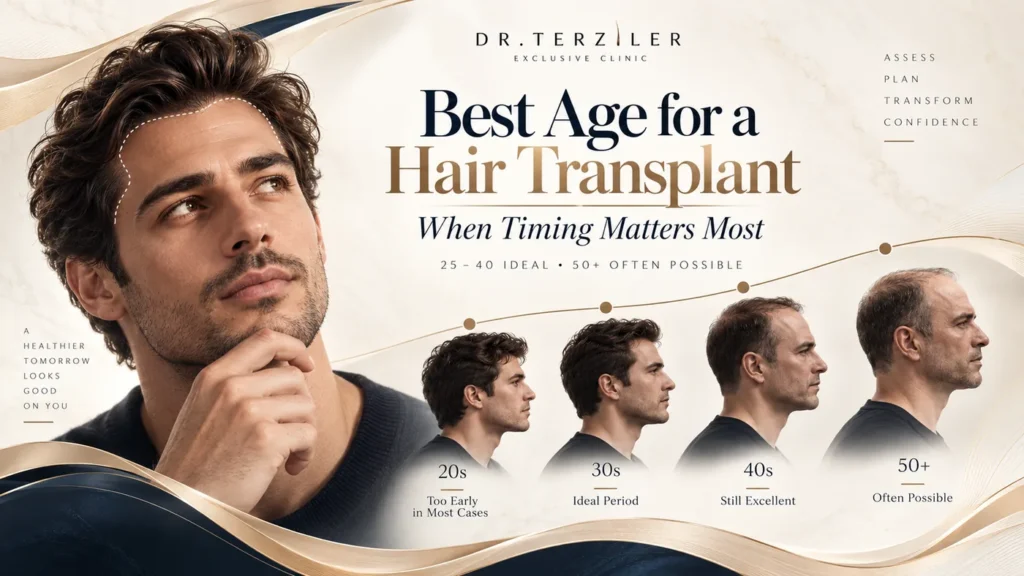
There is no single “best age” for a hair transplant, but the ideal window for most men is the late 20s through the 40s, once hair loss has slowed into a stable, predictable pattern. Age itself is not the real test. A good candidate is defined by stable hair loss, a healthy donor area and realistic expectations, which is why an ethical surgeon can turn away a distressed 21-year-old and happily operate on a healthy 65-year-old. This guide breaks down the right age for a hair transplant decade by decade, from your 20s to your 70s, explains when you are too young, and shows why it is almost never too late.

MEDICALLY REVIEWED BY
AACI-Accredited Hair Restoration Surgeon, ISHRS Member and Inventor of Robotic DHI
Last reviewed September 2026
The best age for a hair transplant is when your hair loss is stable, usually the late 20s to 40s. Most reputable clinics set a minimum around 25, because transplanting a still-shifting hairline in your early 20s risks an unnatural look and wasted donor grafts. There is no upper age limit: healthy patients in their 50s, 60s and 70s are often ideal candidates because their loss has fully settled. In short, a hair transplant is decided by the stability of your hair loss and your donor supply, not by a number on your ID.
What Is the Best Age for a Hair Transplant?
The best age for a hair transplant is whenever your hair loss has become stable, which for most men falls between their late 20s and their 40s. There is no magic birthday that unlocks surgery. What matters is that your pattern of loss has settled enough for a surgeon to predict where it is heading, so the transplant still looks natural in ten and twenty years. A hair transplant moves permanent, DHT-resistant follicles into thinning zones, and that permanent result has to be designed around your future hairline, not just today’s.
This is why “hair transplant age” is one of the most searched questions in hair restoration, and also one of the most misunderstood. Two men can both be 30: one is a perfect candidate and the other should wait. The difference is not the number, it is how fast they are still losing hair, how much donor supply they have, and how realistic their goals are.
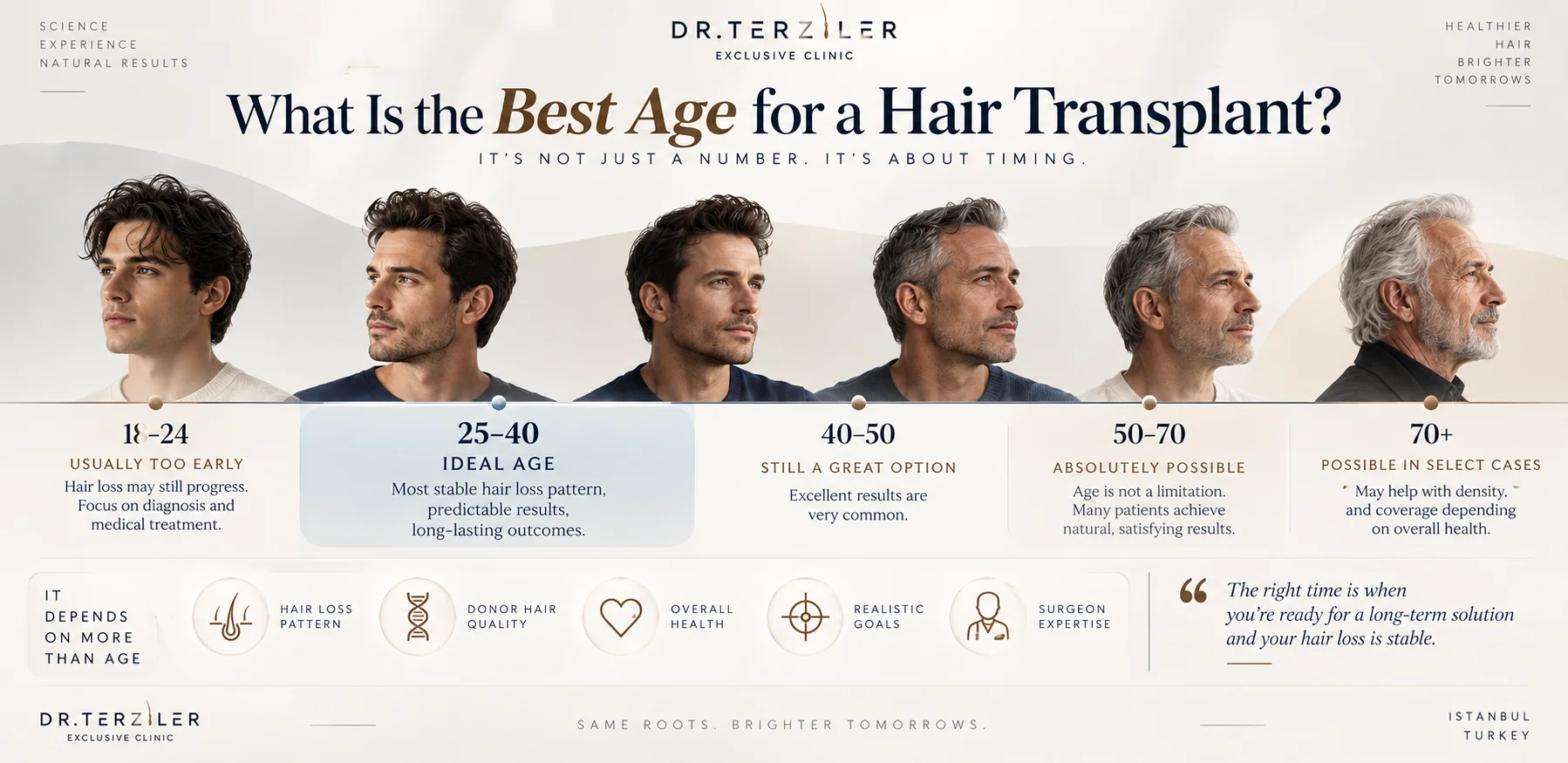
| Age | Is It a Good Age for a Hair Transplant? | What a Surgeon Looks For |
|---|---|---|
| Under 18 | No, other than rare non-genetic cases (scars, burns) | Pattern baldness has not begun; not appropriate for cosmetic surgery |
| 18-24 | Usually too early | Loss is still accelerating; medical treatment first to stabilise |
| 25-29 | Often suitable, case by case | Pattern is clearer; conservative, future-proof hairline |
| 30-45 | The ideal window for most men | Stable loss, defined pattern, strong donor, realistic goals |
| 46-59 | Excellent candidates | Fully settled loss; planning is highly predictable |
| 60-70+ | No upper limit if healthy | General health and donor density matter more than age |
The rest of this guide walks through each of these stages, so you know exactly where you stand and what to do next, whether you are 22 and panicking or 62 and wondering if you have missed your chance.
Is There a Minimum Age? Why Under 25 Is Usually Too Early
Most ethical clinics set a minimum age of around 25 for a hair transplant, and are very cautious about anyone under that. You can legally consent to surgery at 18, but legality is not the same as suitability. In your late teens and early 20s, androgenetic alopecia (male pattern baldness) is usually still accelerating, and its final pattern has not revealed itself yet. Operating into a moving target is how young patients end up with results that look wrong within a few years. The International Society of Hair Restoration Surgery specifically warns that treating the young patient requires extra caution precisely because future loss is so hard to predict.
Being told to wait is not a rejection, it is protection. For a young man with early loss, the smartest first move is almost always medical treatment to stabilise the hair you still have before any surgery. That means clinically proven options and supportive therapies, not a scalpel. Explore the full range of non-surgical hair loss treatments, from PRP to regenerative exosome therapy, which can hold a hairline steady for years and buy you time to reach the age where a transplant makes lasting sense.
Hair Transplant in Your 20s: When It Can Actually Work
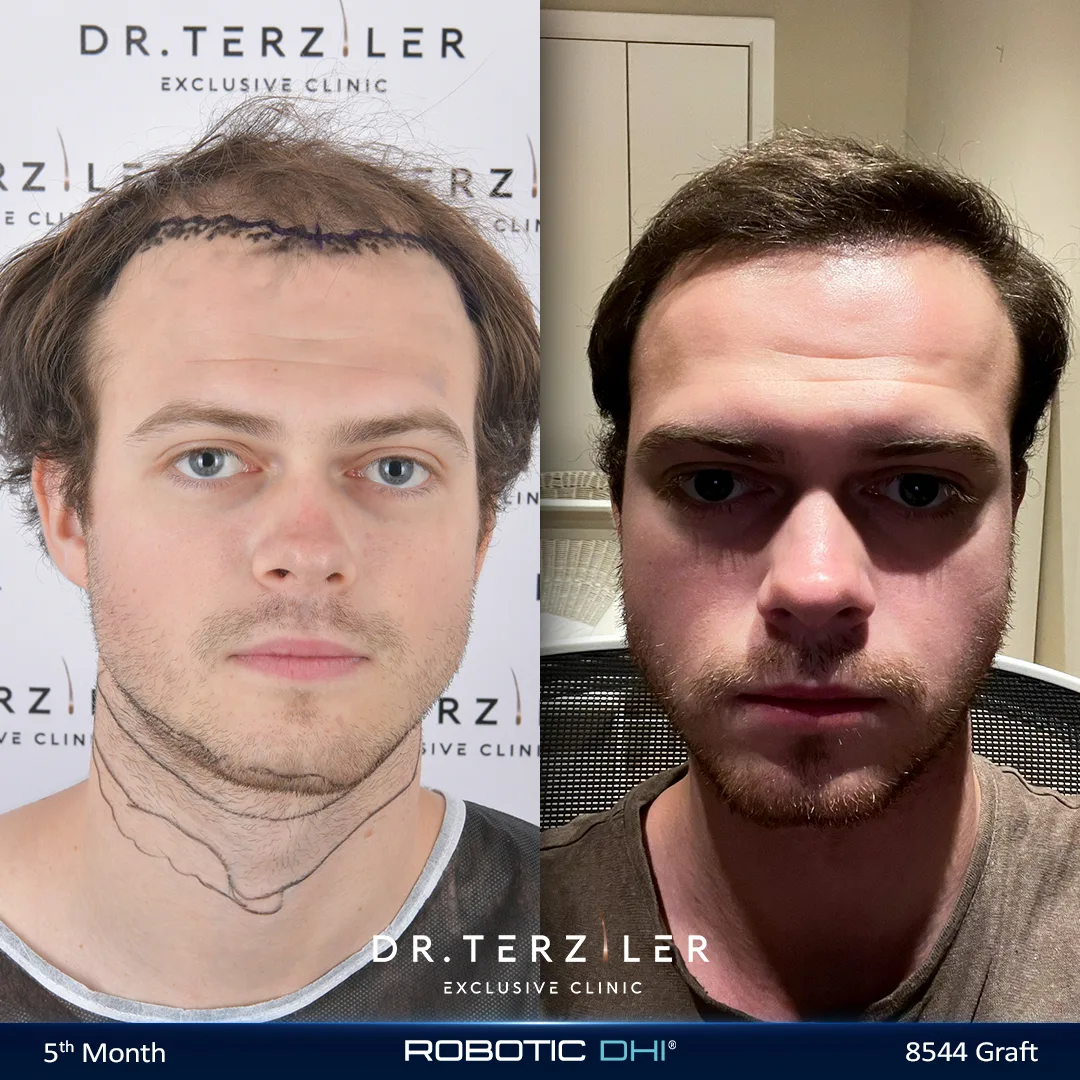
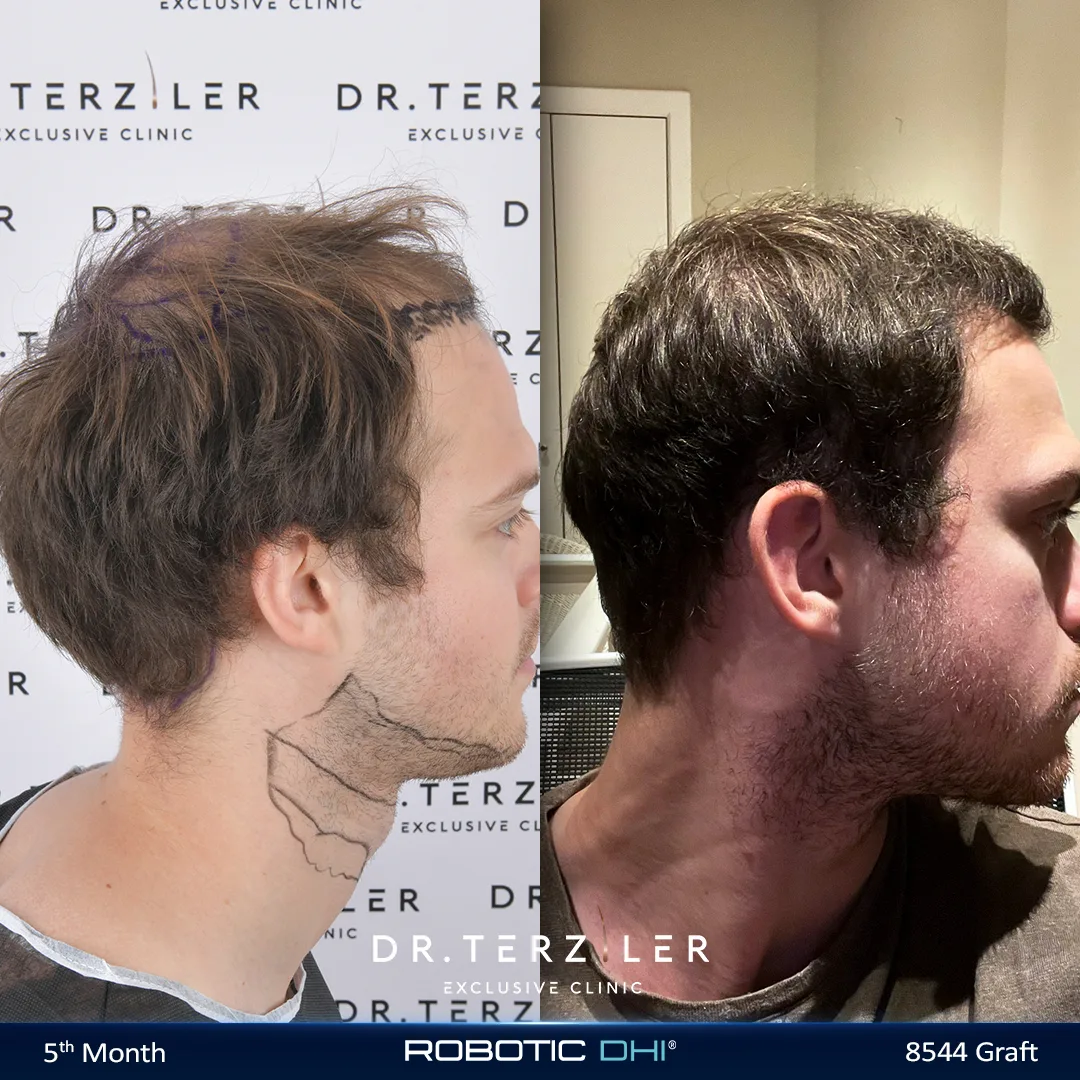
A hair transplant in your 20s can work well, but usually only from the mid-20s onward and only when your loss has clearly slowed. By 25 to 29, many men have a much more defined pattern than they did at 20, and a surgeon can plan a hairline that will still look right decades later. The question “is 25 a good age for a hair transplant?” has the same answer as every other age: it depends on stability, not the number.
If you are in your 20s and considering surgery, a careful clinic will look for a few green lights before saying yes.
Slowed, documented loss
Your hairline has looked roughly the same for 12 to 24 months, ideally backed by photos, rather than visibly retreating every few months.
On a stabilising plan
You are already using a doctor-guided medical routine to protect native hair, so the transplant adds to a stable base instead of chasing ongoing loss.
A mature hairline design
You accept a slightly higher, age-appropriate hairline that leaves donor reserves for the future, instead of a flat, ultra-low line.
Realistic expectations
You understand the transplant restores lost ground, and that protecting the rest of your hair is a lifelong project, not a one-off fix.
Precision technique matters even more in younger patients, where every graft has to count and the donor must be protected. Advanced methods such as DHI, Robotic DHI and the artistic Picasso Robotic DHI allow dense, natural placement while sparing the donor area, and an unshaven hair transplant can keep the whole thing discreet for a younger patient still in college or starting a career.
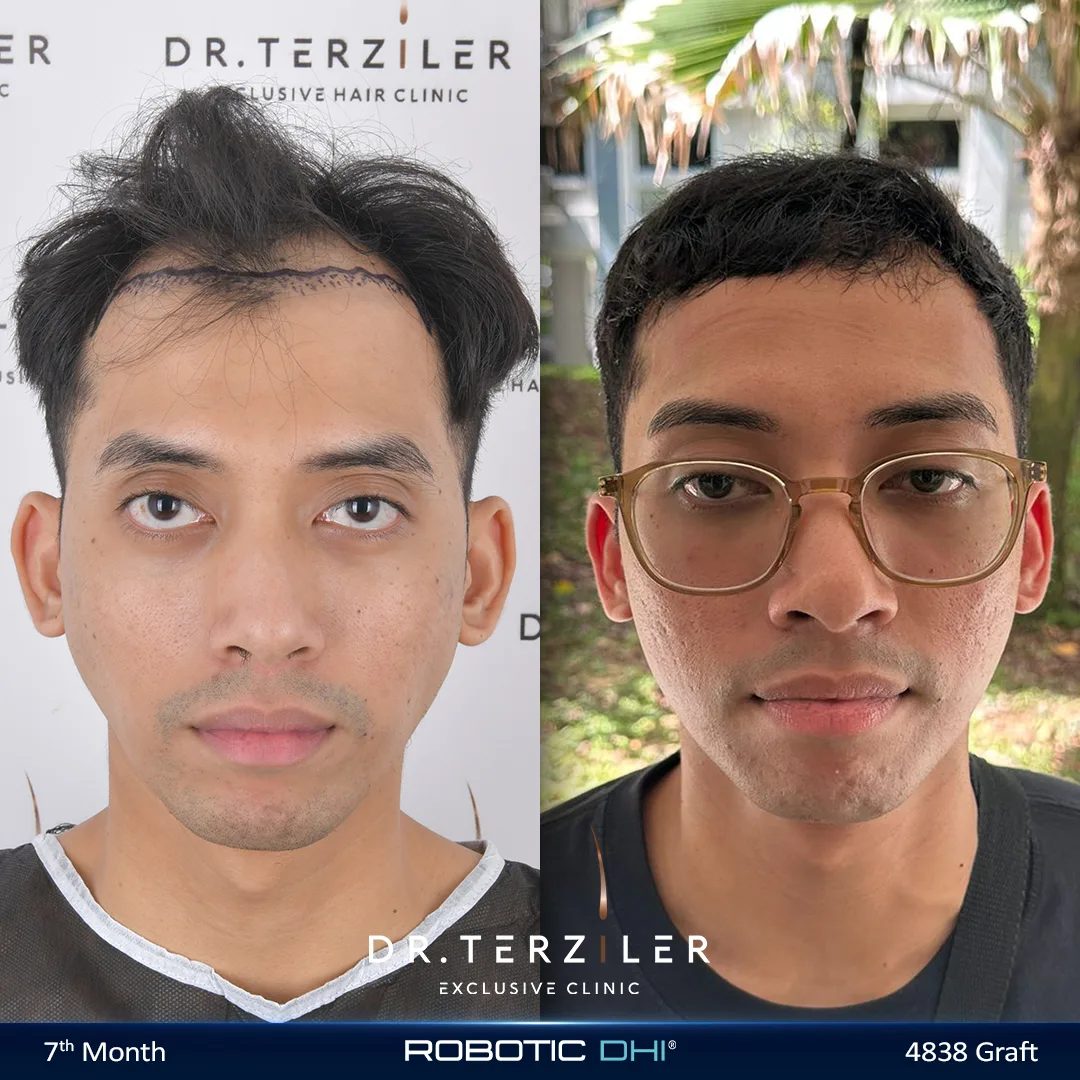
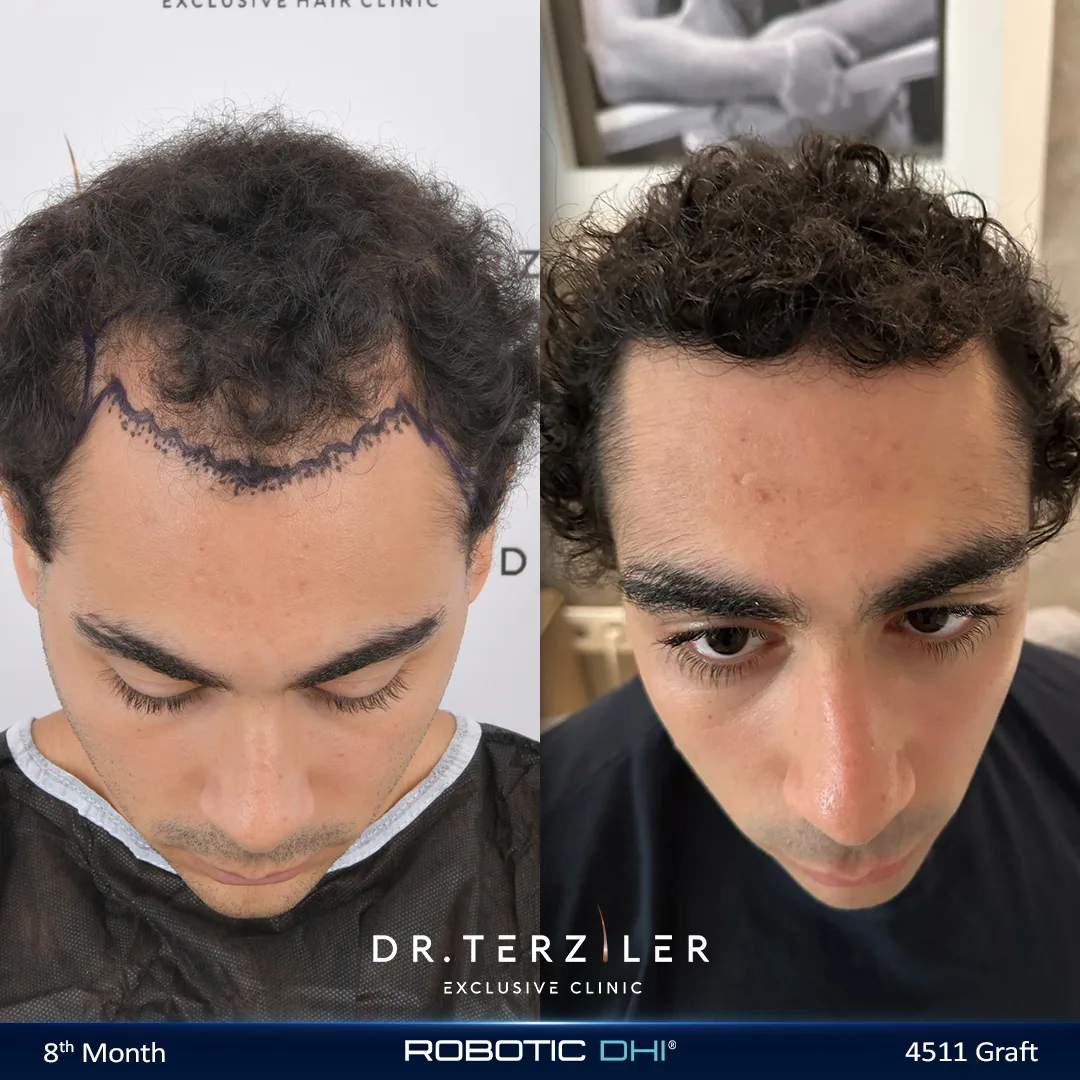
Your 30s and 40s: The Ideal Window
The 30s and 40s are the ideal age for a hair transplant for most men, because hair loss has usually slowed into a clear, stable pattern. By this point a surgeon can see where your loss is heading, measure how much donor hair you can safely spare, and design a result that ages naturally with you. “Is 30 too early for a hair transplant?” is a common worry, and the honest answer is that 30 is often right in the sweet spot rather than too early.
This is also the age where planning pays off the most. A patient at Norwood 4 or 5 with a settled pattern can be rebuilt across the hairline, mid-scalp and crown with confidence, and the graft count can be calculated precisely. If you want to understand how surgeons turn your stage into a real number, read how many grafts you need.
Is It Ever Too Late? Hair Transplants After 50, 60 and 70
It is rarely too late for a hair transplant, because there is no medical upper age limit. Healthy patients in their 50s, 60s and even 70s are frequently excellent candidates, and the hair restoration literature reports that excellent results are the rule, not the exception, in older patients. Once you are past the age where loss is still galloping, your pattern is completely settled, which actually makes the surgeon’s job more predictable, not less.
After 50, the decision shifts from “am I too old?” to “is my donor and my health up to it?” Two things matter far more than your birth year: whether the back and sides of your head still hold enough good-quality donor hair, and whether you are healthy enough for a long outpatient procedure. Both are checked in a simple assessment.
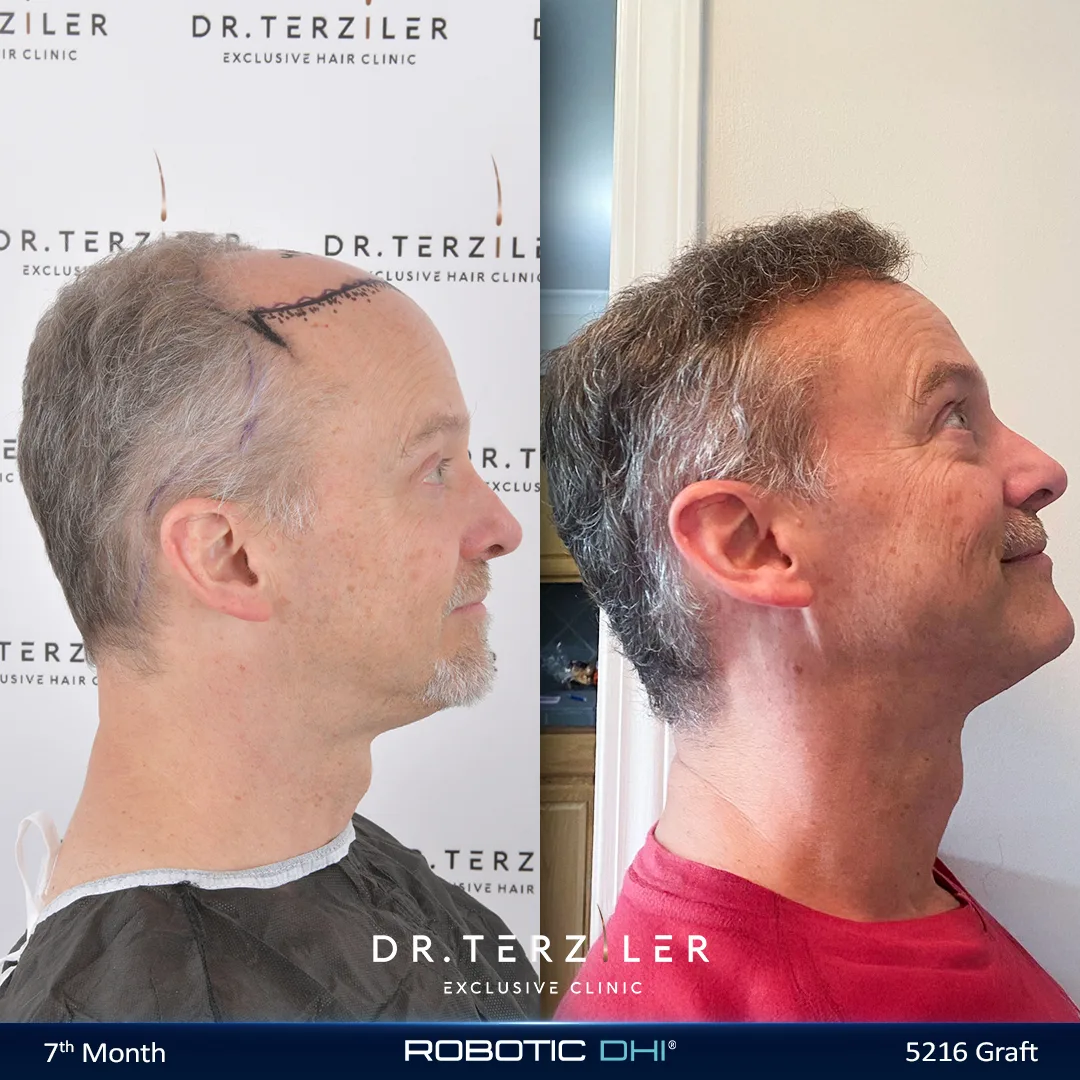
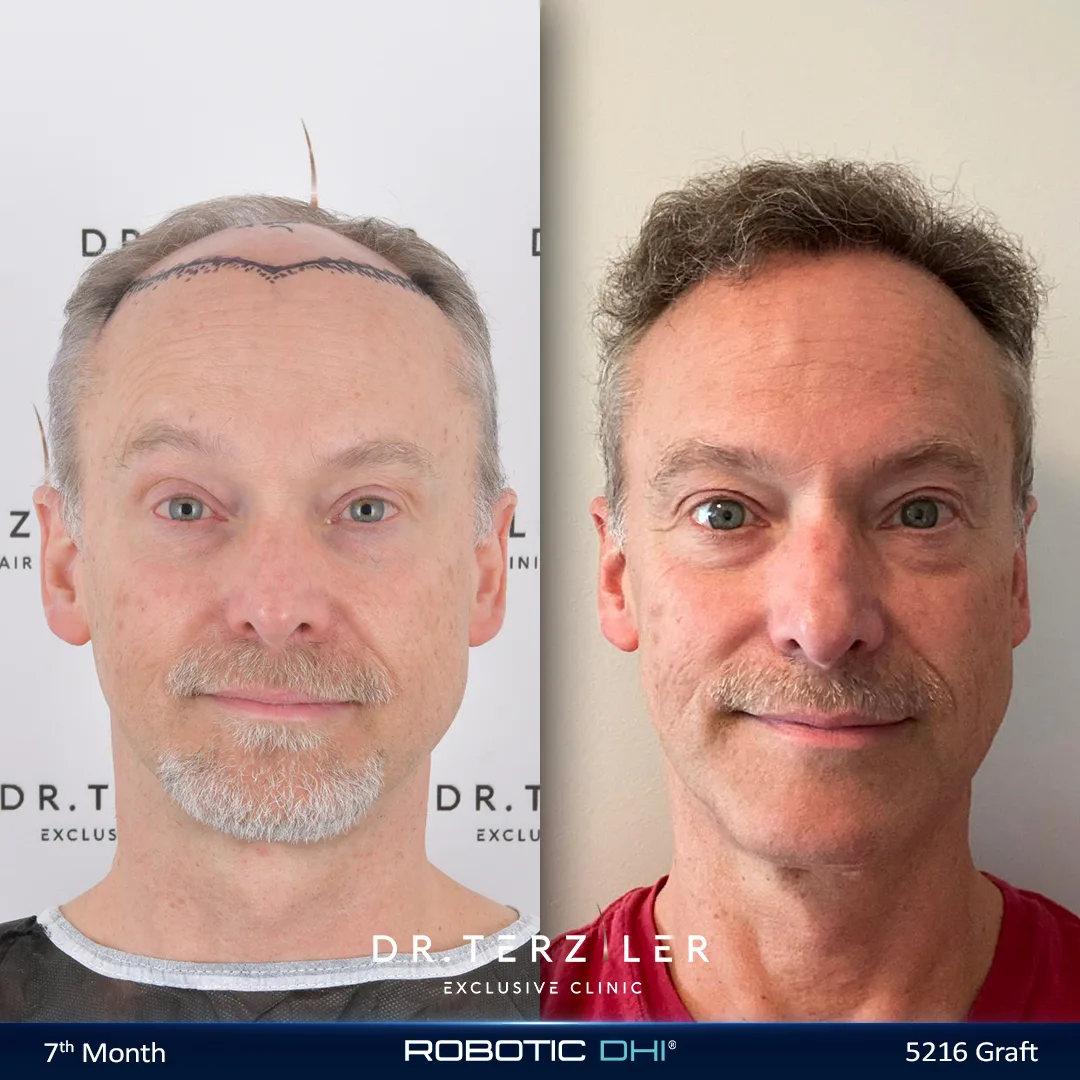
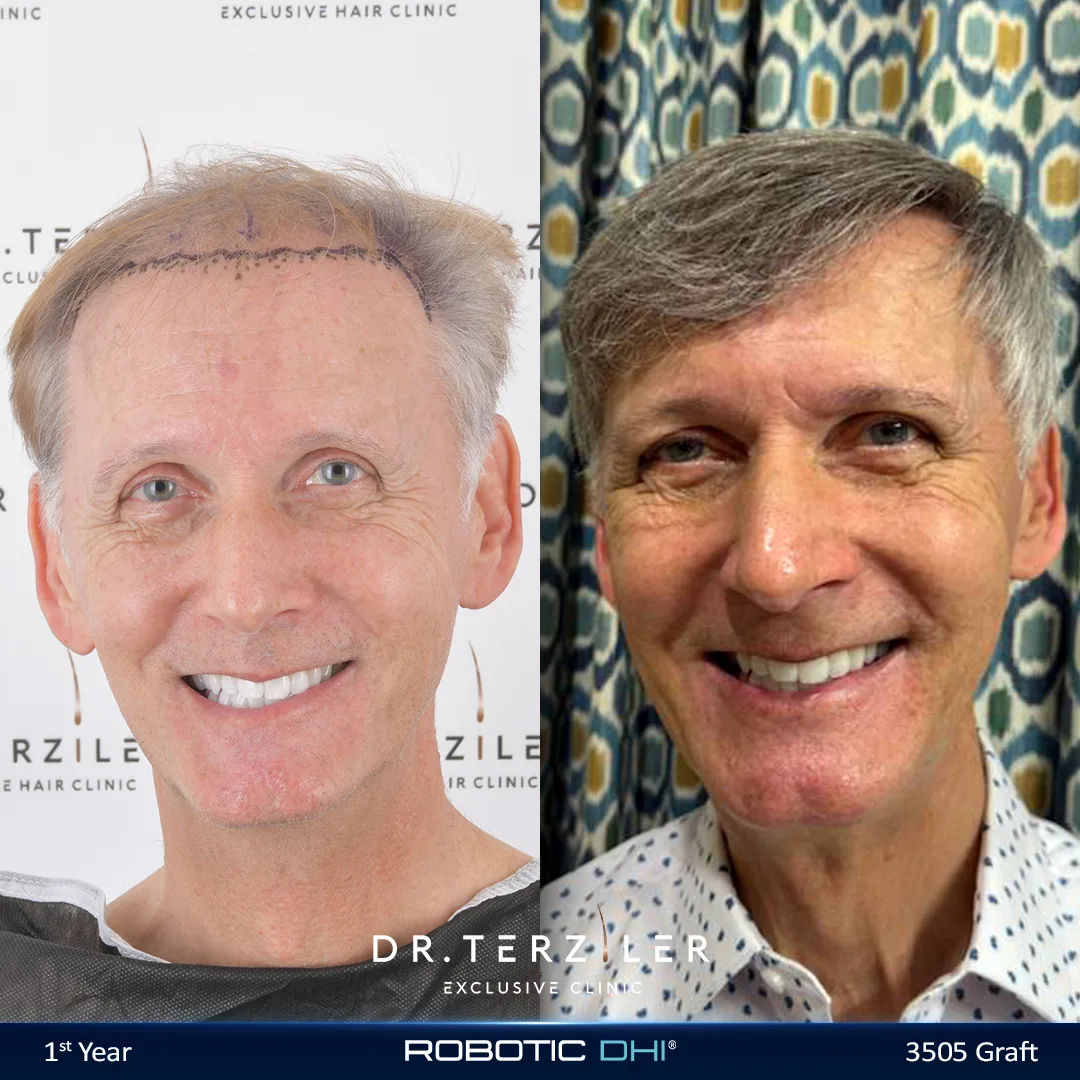
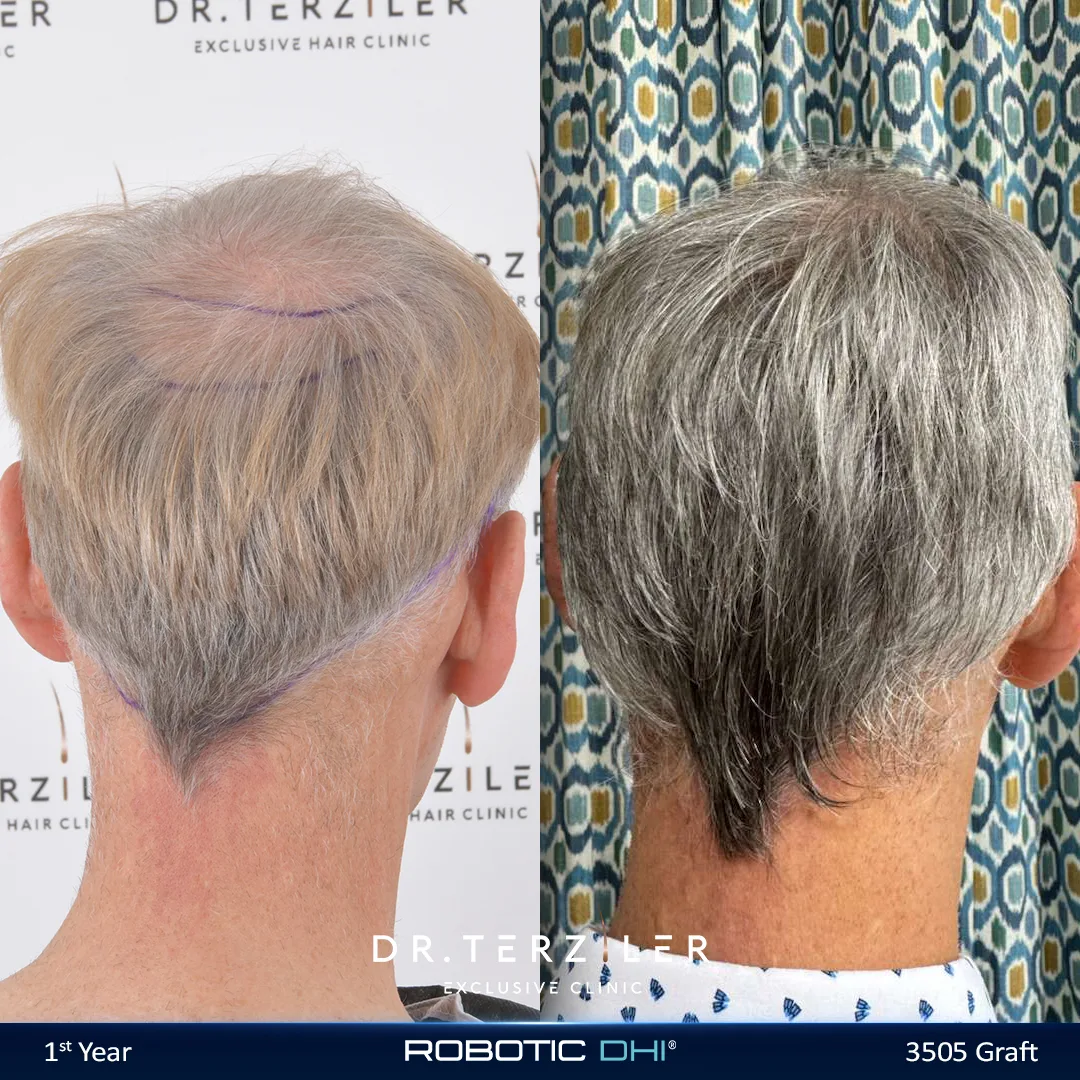
See more results across every age group in the clinic’s full before and after gallery.
Age Is Not the Real Test, Hair-Loss Stability Is
The single most important factor in timing a hair transplant is not your age, it is the stability of your hair loss. A surgeon is essentially trying to answer one question: can I predict where your hair will be in fifteen years? If the pattern is settled, the age barely matters. If it is still moving fast, even a “perfect” age is the wrong time. Use the checklist below to see roughly where you stand before you book any consultation.
| Signals You May Be Ready | Signals to Wait and Stabilise First |
|---|---|
| Your hairline has looked the same for 1-2 years | Your hairline is visibly retreating every few months |
| You are 25+ with a defined loss pattern | You are under 25 with rapid, diffuse thinning |
| You have a strong, dense donor area | Your donor area is already thin or unstable |
| You accept a mature, future-proof hairline | You want a flat, ultra-low teenage hairline |
| You are on or open to a medical maintenance plan | You expect surgery alone to stop all future loss |
If most of your answers fall in the right-hand column, waiting six to twelve months on a stabilising plan will usually give you a better, longer-lasting result than rushing into surgery now.
What Happens 10 Years After a Hair Transplant?
Ten years after a hair transplant, the transplanted hair is still growing, because relocated follicles keep their genetic resistance to DHT for life. This is exactly why age and timing matter so much. The grafts you move are permanent, but the native hair around them can keep thinning with age if it is not protected. A transplant done too young, without a plan for future loss, is what leaves people with a see-through gap behind a solid transplanted line a decade later.
The patients who look best at the ten-year mark are the ones whose loss had stabilised before surgery and who maintained their native hair afterward. If you want the science on why grafts last, see whether transplanted grafts are permanent. The takeaway for timing is simple: plan for the head you will have at 50, not just the one you have today.
When a Hair Transplant Is Not the Answer Yet
If you are young or your loss is still active, the right first step is often treatment, not surgery. A transplant redistributes hair you already have; it does not stop the underlying process that is thinning the rest of your scalp. For many younger patients, stabilising that process first is what protects both the look and the donor supply they will rely on later.
Stabilise the loss first
Doctor-guided medical therapy and regenerative treatments can slow shedding and thicken existing hair, so any future transplant sits on a stable base. Browse all hair loss treatments.
Regenerative options
PRP and exosome therapy can support weakening follicles and buy time, which is often the smartest move for a patient who is simply too young to transplant well right now.
Diffuse thinning in women
Women more often have diffuse thinning than a bald patch, so timing and technique differ. See how a female hair transplant is planned around density rather than a Norwood stage.
Facial hair goals
Age rules are gentler for non-scalp work. A beard transplant, mustache transplant or eyebrow transplant is not driven by pattern baldness progression in the same way.
Why Is Gen Z Balding So Fast?
Many young men feel like they are balding faster than previous generations, and it is mostly a mix of genetics, stress, lifestyle and simply noticing it sooner. Pattern baldness is inherited and has not suddenly changed, but higher stress, poor sleep, diet, and constant front-camera self-scrutiny mean early thinning gets spotted and searched much earlier. Seeing loss at 20 feels alarming, but noticing it early is actually an advantage: it gives you time to stabilise the hair medically and reach the right age for a transplant with your donor supply intact.
Balding in your early 20s is more common than most people think, so if it is happening to you, you are far from alone, and panic-booking surgery is the one response that tends to backfire. The better move is to get assessed, protect what you have, and transplant when your loss has settled.
How Your Age Shapes Technique, Planning and Cost
Age does not just decide whether to transplant, it shapes how. Younger patients need conservative hairlines and donor-sparing precision, where the DHI and Robotic DHI methods used earlier place each graft with minimal waste. Older patients need natural density that matches their face today. Hair texture also weighs as heavily as age: coarse, curly hair is planned differently, which is central to an Afro hair transplant. Whatever your age, the technique is chosen for graft survival and a natural, lasting look, and a modern procedure is far gentler than most people fear, as the guide on whether a hair transplant hurts explains.
Cost follows the plan, not your age. Because graft count and technique drive the price, the clearest way to budget is to read the full hair transplant cost breakdown and the all-inclusive treatment packages, which bundle surgery, hotel, transfers and aftercare into one flat fee. Wondering whether it is worth it at 25? For a patient with stable loss and a conservative plan, a single well-timed procedure can last a lifetime, which is exactly what makes the timing worth getting right.
How Dr. Terziler Decides the Right Time for You
Dr. Terziler Exclusive Clinic is an AACI-accredited hair transplant clinic in Istanbul, Turkey, led by Dr. Servet Terziler, the inventor of the Robotic DHI machine. Timing here is a medical decision, not a booking target. Using high-magnification trichoscopy and donor-density mapping, the team measures how stable your loss is, how much donor you can safely spare and how your pattern is likely to progress, then tells you honestly whether to operate now or stabilise first, even when that means asking a younger patient to wait.
“The right age for a hair transplant is the age at which your loss has stopped surprising us. I would rather ask a 22-year-old to wait a year and protect his donor than hand him a hairline that betrays him at 30. And I am always happy to operate on a healthy 65-year-old, because his pattern is finally honest.”
Every hairline is designed and executed under Dr. Terziler’s direct supervision, with results documented across all age groups at Dr. Terziler Exclusive Clinic. If you are weighing the decision, the honest first step is a suitability review, not a sales call.
Frequently Asked Questions
What is the best age for a hair transplant?
The best age is when your hair loss is stable, which for most men is the late 20s to 40s. There is no perfect birthday; a surgeon needs a settled pattern to design a result that still looks natural decades later. Stability of loss, donor supply and realistic expectations matter far more than your age.
Is 20 too early for a hair transplant?
Usually, yes. At 20 hair loss is often still accelerating and its final pattern is not clear, so transplanting risks an unnatural look and wasted donor grafts. Most ethical clinics set a minimum around 25 and start younger patients on medical treatment to stabilise the hair first.
Can I get a hair transplant at 18?
You can legally consent at 18, but reputable surgeons rarely operate on genetic hair loss that young, because the pattern is unpredictable. At 18 the priority is diagnosis and stabilising treatment. Transplants at 18 are generally reserved for non-genetic cases such as scar or burn repair.
Is a hair transplant worth it at 25?
It can be very much worth it at 25 if your loss has clearly slowed and you accept a mature, future-proof hairline. Because grafts are permanent, a well-timed procedure at 25 can last a lifetime. If your loss is still rapid, stabilising for a year first protects both the result and your donor supply.
Is 30 too early for a hair transplant?
No. Thirty is usually right in the ideal window rather than too early. By 30 most men have a defined, stable pattern, which makes planning predictable and results long-lasting. As always, a real assessment of your donor and loss pattern confirms the timing.
Is there an age limit, or is it ever too late?
There is no medical upper age limit. Healthy patients in their 50s, 60s and 70s are often excellent candidates because their loss has fully settled. After 50 the decision depends on donor quality and general health, not the number. For most people it is not too late.
What happens 10 years after a hair transplant?
The transplanted hair keeps growing, because relocated follicles stay resistant to DHT for life. Your native, non-transplanted hair can keep thinning with age, however, which is why timing surgery for after your loss stabilises, and maintaining native hair, is what keeps results looking natural at ten years.
Is balding at 20 rare?
No. Early thinning in the late teens and early 20s is more common than most people realise and is usually genetic. Noticing it early is an advantage: it lets you stabilise the hair medically and reach the right age for a transplant with your donor supply protected.
Why is Gen Z balding so fast?
Pattern baldness itself has not changed, but stress, sleep, diet and constant self-scrutiny on cameras mean early loss is noticed and searched far sooner. It often feels faster than it is. The healthy response is assessment and stabilising treatment, not rushing into surgery.
How much do 3,000 hair grafts cost?
Price depends on the country, technique and clinic model. Turkey’s all-inclusive packages typically cover a 3,000-graft procedure plus hotel, transfers and aftercare in one flat fee, far below US and UK per-graft pricing. See the full hair transplant cost guide for exact ranges.
How painful is a hair transplant?
A modern hair transplant is done under local anaesthetic, so the procedure itself is largely painless, with mild soreness and swelling for a few days afterward. Discomfort is usually well controlled with simple medication. Age does not change how comfortable the procedure is for a healthy patient.
Sources
- Zito PM, Raggio BS. Hair Transplantation. StatPearls, NCBI Bookshelf. https://www.ncbi.nlm.nih.gov/books/NBK547740/
- Androgenetic alopecia: pathogenesis and management. PMC. https://pmc.ncbi.nlm.nih.gov/articles/PMC8611706/
- ISHRS. Early Hair Loss: The Young Patient. https://ishrs.org/early-hair-loss-the-young-patient/
- Hair restoration surgery: patient evaluation and candidacy. PMC. https://pmc.ncbi.nlm.nih.gov/articles/PMC8719975/
- ISHRS. Hair Transplantation After Age 50: Excellent Results Are the Rule in Older Patients. https://ishrs.org/hair-transplantation-after-age-50-excellent-results-are-the-rule-in-older-patients/
- Follicular unit and donor considerations in hair restoration. PMC. https://pmc.ncbi.nlm.nih.gov/articles/PMC8061642/