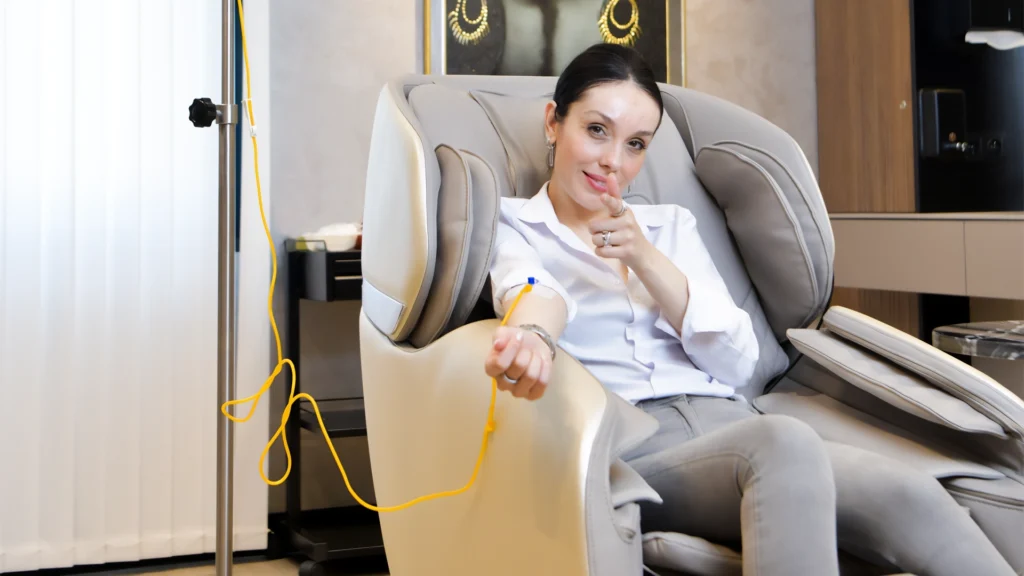
Growth Factor Therapy
Activation using a growth factor.
Treatment Process
-
ADIM 01
Consultation & Analysis
Your needs are identified through a hair and scalp analysis.
-
ADIM 02
Personal Plan
A personalised treatment protocol and session plan will be drawn up for you.
-
ADIM 03
Growth Factor Tedavisi
The procedure is carried out comfortably by a team of specialists.
-
ADIM 04
Results Tracking
Progress is monitored through regular checks and the plan is updated.
Growth Factor Tedavisi
Hair loss is not only one of the most common cosmetic concerns affecting both women and men, but it is also a significant condition that can impact self-confidence and quality of life. Genetic predisposition, hormonal changes, stress, nutritional deficiencies, environmental factors and the ageing process can cause hair follicles to weaken over time. As this process progresses, hair strands become thinner, density decreases and the overall appearance of the hair may change.
Growth Factor Therapy is one of the modern hair treatments used in the field of regenerative medicine, designed to support the natural regeneration mechanisms of hair follicles. The aim is not only to help preserve existing hair but also to create a suitable environment for stronger and healthier hair growth by supporting the biological quality of the scalp.
What is Growth Factor Therapy?
Growth Factor Therapy is a regenerative hair treatment that utilises biological growth factors to support the tissues surrounding the hair follicles.
Growth factors are biological molecules that regulate intercellular communication, support tissue repair and play a role in natural regeneration processes. The aim of hair treatment is to support the microenvironment in which the hair follicles are located, increase the biological activity of the scalp and support the hair growth cycle.
In modern hair treatments, Growth Factor applications are regarded as an important part of personalised, combined treatment protocols.
How Does Growth Factor Therapy Work?
Hair follicles operate within a continuous cycle of renewal throughout life. However, ageing, genetic factors and environmental influences can cause this cycle to slow down.
Growth Factor Therapy:
- Aims to support the biological activity of hair follicles,
- contribute to improving the tissue quality of the scalp,
- Support cellular renewal processes,
- To help hair strands appear stronger,
- Support the hair’s natural growth cycle,
- and to help maintain hair density.
The results obtained may vary depending on the individual’s hair structure, the cause of hair loss and the treatment plan followed.
In Which Cases Might It Be Recommended?
Growth Factor Treatment may be planned following a specialist assessment in the following situations:
- Genetic hair loss (androgenetic alopecia)
- Seasonal hair loss
- Stress-related hair loss
- Thinning and weakening hair strands
- Decreased hair density
- Supporting the recovery process following a hair transplant
- Regenerative programmes aimed at improving scalp health
For each patient, the cause of hair loss is first investigated and a personalised treatment plan is drawn up accordingly.
What is the treatment process?
Prior to treatment, a hair analysis is carried out to assess the type of hair loss, the condition of the hair follicles and the overall health of the scalp. Where necessary, laboratory tests or additional assessments may be arranged.
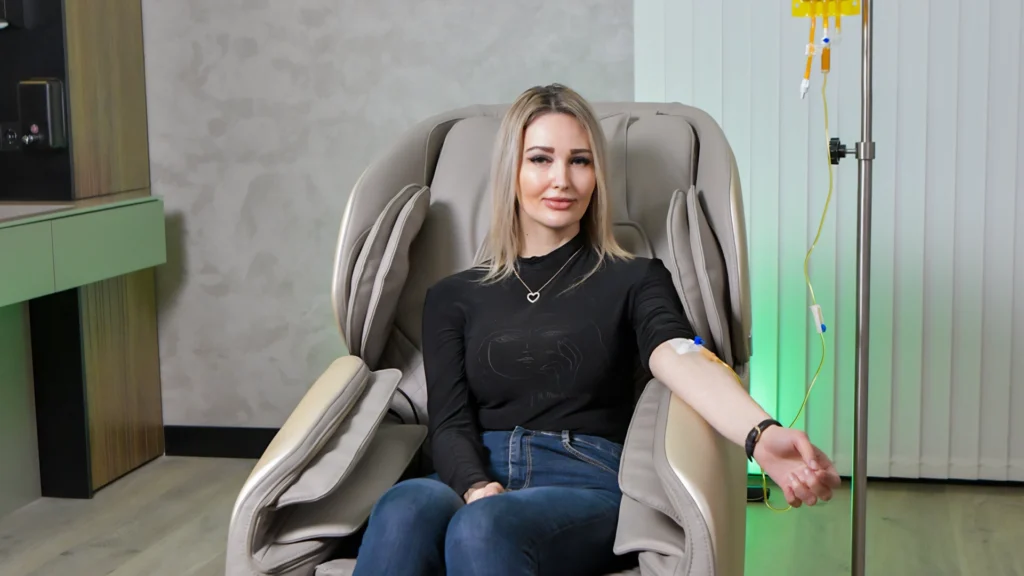
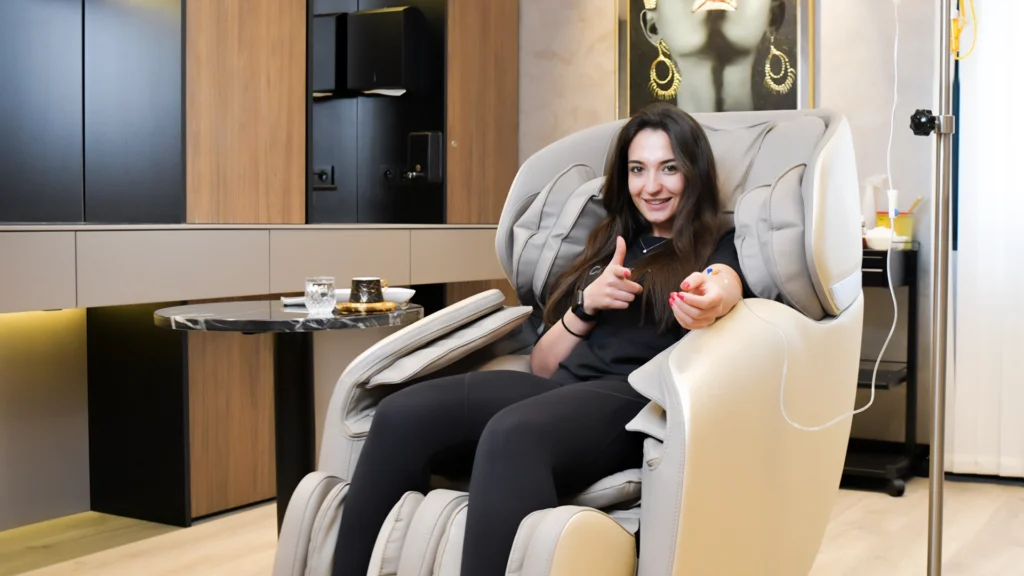
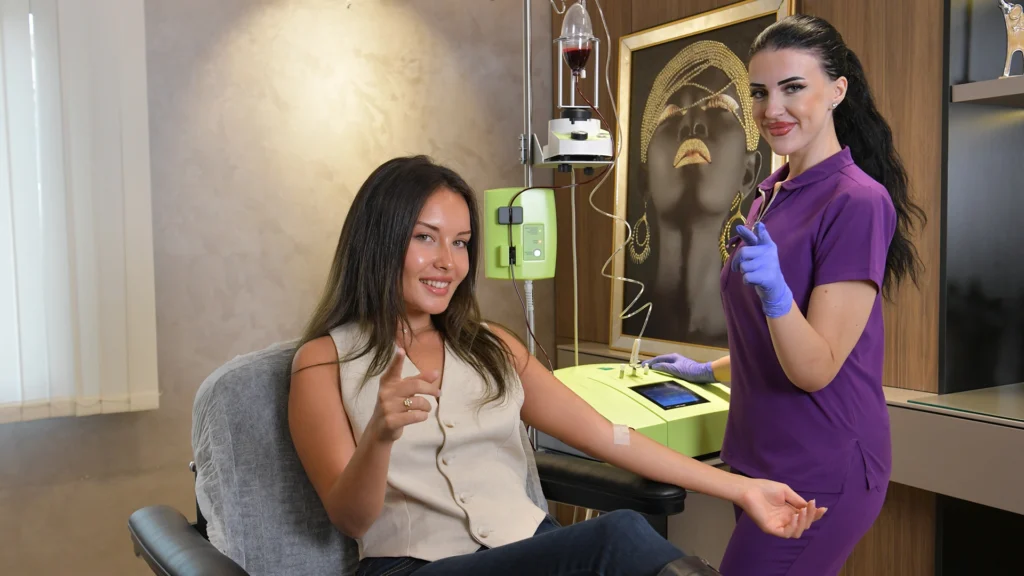
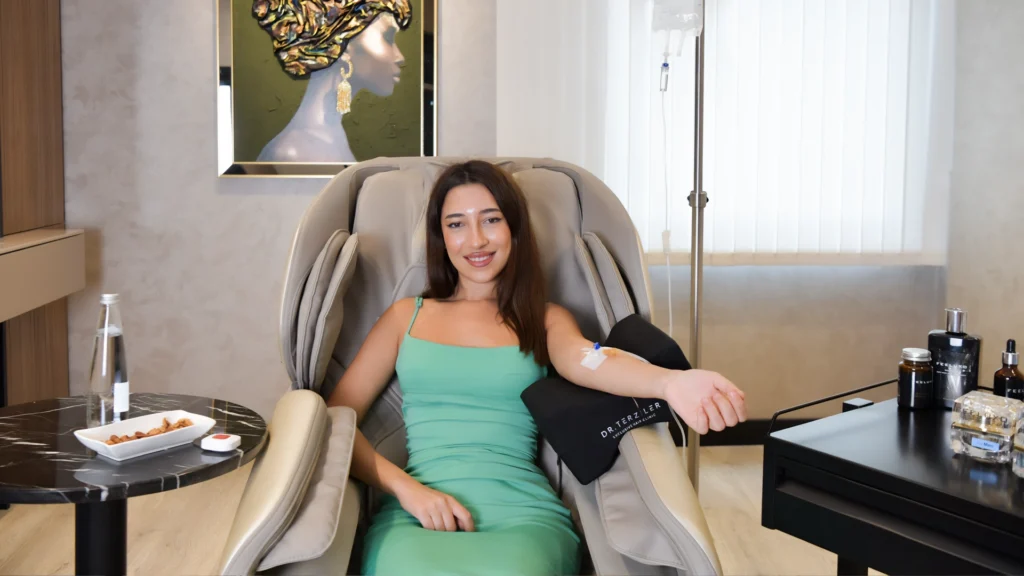
Growth Factor Therapy is administered via controlled injections into the scalp. A local anaesthetic may be applied to the treatment area prior to the procedure. Whilst the duration of each session varies depending on the protocol, patients can resume their daily activities on the same day.
The treatment plan is not limited to a single session and can be administered at intervals determined according to the individual’s needs.
Advantages of Growth Factor Therapy
When tailored to the individual, it can offer numerous benefits that support hair health.
The main advantages are as follows:
- It aims to support hair follicles.
- It can contribute to the biological quality of the scalp.
- It can support cellular renewal processes.
- It can help hair strands appear stronger.
- It does not require surgery.
- It allows for a quick return to daily life.
- It can be combined with treatments such as PRP, exosomes and hair mesotherapy.
- It can be tailored to the individual.
Comparison of Growth Factor Therapy and PRP
| Feature | PRP Treatment | Growth Factor Therapy |
|---|---|---|
| Source | Plasma derived from the patient’s own blood | Regenerative protocols containing purified growth factors* |
| Primary Aim | To support hair follicles | To support the microenvironment of the hair follicles and scalp |
| Personalisation | Feasible | Highly predictable |
| Combined treatments | Yes | Yes |
| Use Following Hair Transplantation | Supportive | Supportive |
*The ingredients and methods used in the treatment may vary depending on the chosen treatment protocol.
Who is it suitable for?
Growth Factor Treatment;
- For those wishing to control hair loss at an early stage,
- Those experiencing thinning hair,
- Aiming to support hair density,
- Those wishing to support the recovery process following a hair transplant,
- For men and women seeking modern hair treatments that do not require surgery, this treatment can be planned following a specialist assessment.
The suitability of the treatment is determined by taking into account the cause of hair loss and the individual’s general state of health.
Why Dr Terziler?
A successful hair treatment is not solely dependent on the method used; it is made possible by accurate diagnosis, detailed hair analysis and a personalised treatment plan. As not all hair loss is caused by the same factor, an individualised approach should be adopted rather than standardised procedures.
At Dr Terziler’s Clinic, Growth Factor Therapy is planned on a personalised basis following an advanced hair analysis. Where necessary, it is combined with PRP, exosome therapies, hair mesotherapy, stem cell-supported regenerative treatments and medical therapies to create more comprehensive hair health programmes.
Our clinic’s approach is not merely to assess current hair loss; it is to develop scientific and holistic treatment protocols that support the long-term health of hair follicles. In this way, the aim is both to preserve the natural structure of the hair and to promote a stronger and healthier appearance.
Questions You May Have
The aim of the treatment is to support the hair follicles and contribute to the hair’s natural growth cycle. Results may vary depending on the individual’s existing hair follicle reserve and the cause of hair loss.
Local anaesthesia may be used to minimise any discomfort that may arise during the procedure. Most patients are able to undergo the procedure comfortably.
The number of sessions is determined based on the extent of hair loss, the treatment objective and individual needs.
Yes. In suitable patients, it may be considered as part of a combined treatment plan to support the post-hair transplant recovery process and the hair follicles.
Yes. It can also be carried out on suitable candidates experiencing female-pattern hair loss and thinning hair, following an assessment by a specialist.
As the hair growth cycle takes time, the response to treatment is assessed gradually. The process is monitored through regular follow-up appointments.
Your journey begins today.
Contact us for a free, personalised consultation. Our team of experts will be by your side every step of the way.