
Ageing is a biological process that you can influence. Many anti-ageing articles simply repeat the same ten unproven habits without any scientific basis. This page explains the complete method for looking 10 years younger naturally, based on clinical evidence. We separate medical facts from expensive placebos.
MEDICALLY REVIEWED
Dr Kürşat Yalvaç
Aesthetic Medicine Surgeon, Longevity and Anti-Ageing Specialist – Dr Terziler Private Clinic, Istanbul
Last updated: May 2026
This article has been reviewed by Dr Kürşat Yalvaç for medical accuracy, safety, relevance to anti-ageing treatments, and evidence-based longevity guidance.
The most scientifically proven ways to look 10 years younger are as follows: daily use of broad-spectrum SPF 30+ sun cream, prescription retinoids, 7–9 hours’ sleep, giving up smoking, and professional treatments such as PRP or skin-rejuvenating therapies when home-based methods prove insufficient.
People often ask how they can completely reverse the ageing process. You cannot turn back the clock on chronological time. However, you can significantly reduce your biological skin age and achieve a more youthful-looking complexion.
In summary: The Science of Rejuvenation
- Daily SPF 30+: Prevents 80 per cent of skin ageing caused by environmental factors.
- Prescription Retinoids (0.025–0.1 per cent): Actively rebuilds depleted collagen.
- Clinical Treatments: Correct structural volume loss.
- Longevity Medicine: Targets ageing at a cellular level.
The Things That Really Age You (6 Factors)
The six main factors causing visible ageing of the face are exposure to UV rays, collagen loss, glycation, chronic inflammation, lack of sleep and oxidative stress. If you want to learn how to reverse ageing naturally, understanding these factors is the first step. Premature ageing occurs when lifestyle factors accelerate these processes. Healthy habits for a younger-looking complexion prevent this cellular decline.
1
UV damage
It is responsible for up to 80 per cent of visible ageing on the face (Flament F et al., ‘The effect of the sun on visible clinical signs of ageing in Caucasian skin’, Clin Cosmet Investig Dermatol. 2013;6:221–232. PMID: 23874116). It is essential to prevent skin ageing caused by sun damage.
2
Collagen loss
The skin loses 1 per cent of its collagen each year after the age of 25 (Shuster S, Black MM, McVitie E, ‘The effect of age and sex on skin thickness, skin collagen and density’, Br J Dermatol. 1975;93(6):639–643. PMID: 1220811).
3
Glycation
Sugar molecules bind to collagen fibres. This causes the skin to appear stiff and dull.
4
Chronic stress
High cortisol levels accelerate telomere shortening.
5
Sleep debt
Growth hormone reaches its highest levels during deep sleep. There is a strong link between sleep and ageing skin; you need 7–9 hours of sleep.
6
Oxidative stress
Free radical damage destroys cells. Antioxidants counteract this.
We design our approach by analysing up to 3,000,000 genetic variants. Visit our website to find out more about our cellular approach. Longevity Clinic.
What ages your skin the fastest?
Submit your goals and ask which longevity pathway is best suited to your skin, energy levels and ageing markers.
What Doesn’t Work in Anti-Ageing Methods?
Most over-the-counter anti-ageing creams contain concentrations of active ingredients that are far too low to produce clinical results. Products marketed as collagen boosters rarely penetrate beyond the epidermis. The only topical agent with strong clinical evidence for reducing wrinkles is prescription-only tretinoin (0.025–0.1 per cent).
1
Anti-ageing creams
Over-the-counter retinol creams generally contain 0.025% retinol. Concentrations of 0.1–0.3 per cent are required for clinical efficacy (American Academy of Dermatology, ‘Retinoids: What are they and what can they do?’ aad.org; Weinstein GD et al., Arch Dermatol. 1991;127(5):659–665. PMID: 2024983).
2
Collagen supplements
Collagen taken orally undergoes enzymatic breakdown. Modest improvements are observed when 10 grams are taken daily for 12 weeks, but the results are insignificant.
3
‘Detox’ diets
There is no established clinical mechanism by which these diets improve skin appearance.
4
Jade rollers
They have not been proven to reduce wrinkles. They merely reduce swelling for a few hours.
5
Cheap face masks
Their moisturising effect lasts for 24–48 hours. They do not lead to permanent structural changes.
Not sure what’s worth doing?
Stop guessing. Get a clinical plan tailored to your age, skin type and goals.
Get My Anti-Ageing Plan
What Really Makes You Look 10 Years Younger? An Evidence-Based Ranking
Daily sun protection is the single biggest factor in reversing skin ageing in adults.
According to a randomised controlled trial, participants who used SPF daily showed a 24 per cent reduction in skin ageing over 41 months (Hughes MC et al., ‘Sunscreen and the Prevention of Skin Ageing: A Randomised Trial’, Ann Intern Med. 2013;158(11):781–790. PMID: 23732711).
Here are the ways to stay looking young, ranked by clinical effectiveness.
“Switching to prescription retinoids and clinical-grade sunscreens completely transformed my skin texture within four months.” – Sarah T., patient of Dr Terziler
Are you looking for the quickest way to achieve a more youthful-looking complexion?
Ask what is realistic for your skin right now and what should be left for later.
What Are the Professional Treatments That Can Make You Look 10 Years Younger?
When lifestyle methods reach their limits, clinical interventions provide significant, visible rejuvenation. Dr Terziler Exclusive Clinic offers three key treatment approaches.
We focus on facial aesthetics, body rejuvenation and systemic longevity protocols.
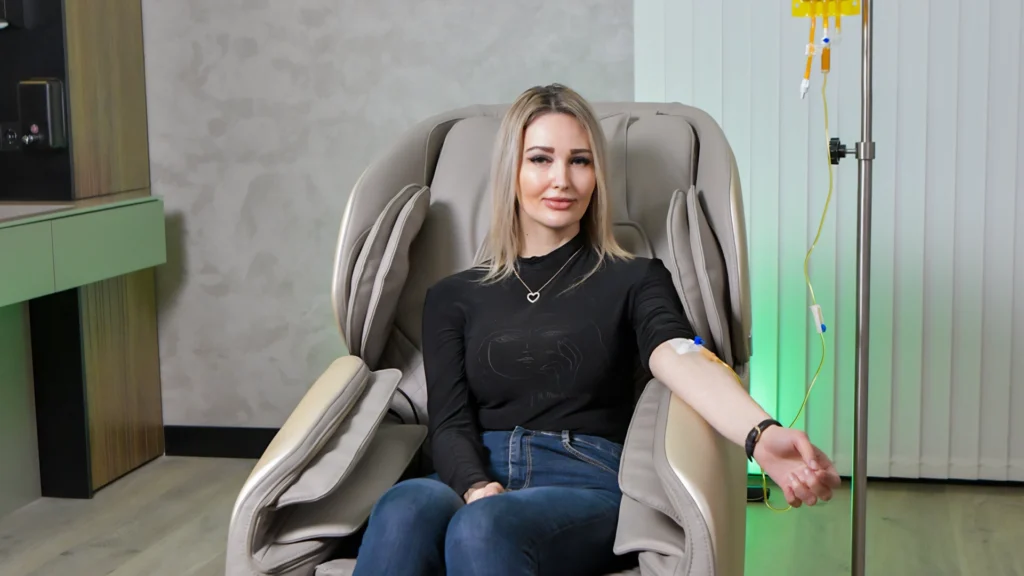
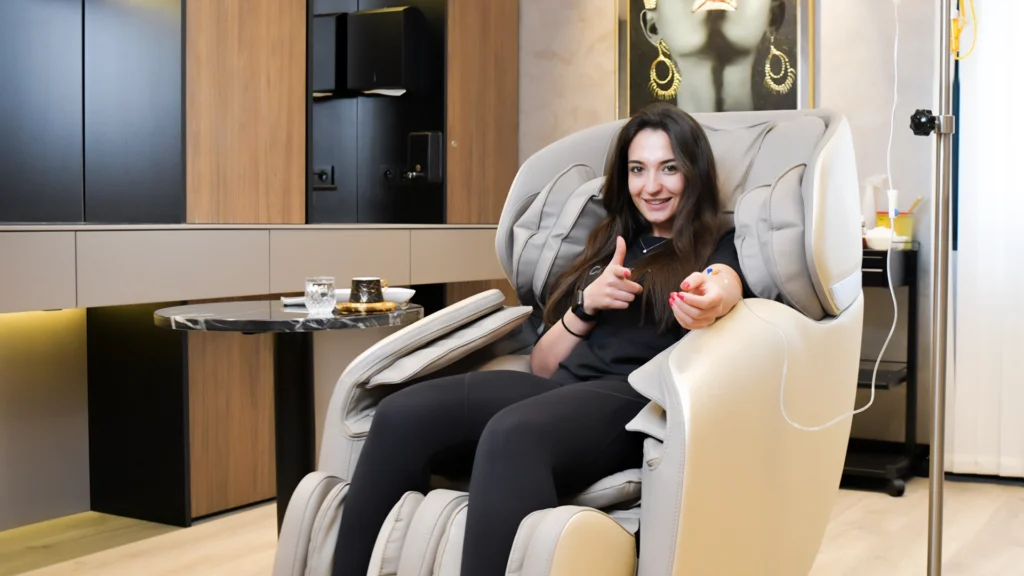
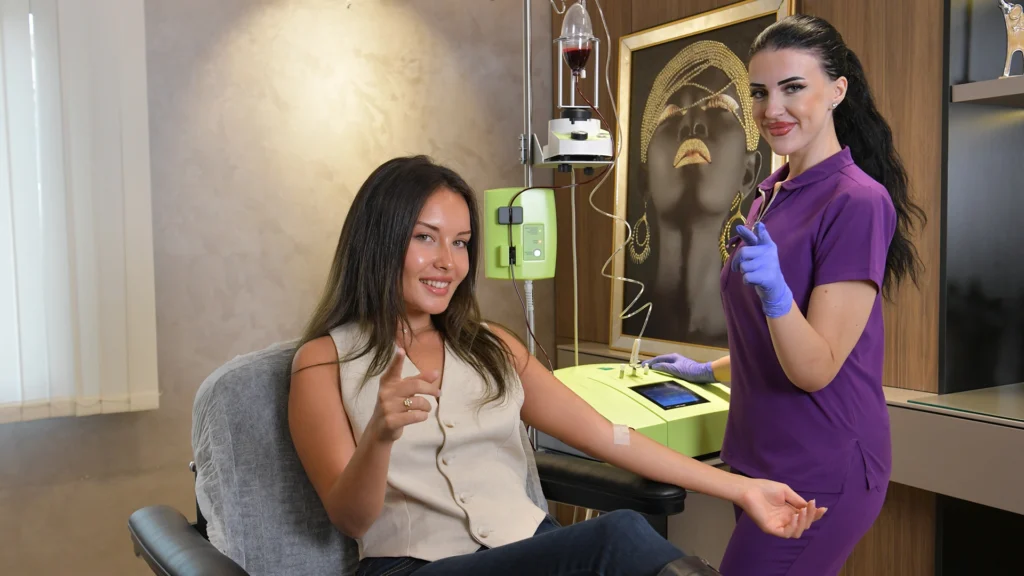
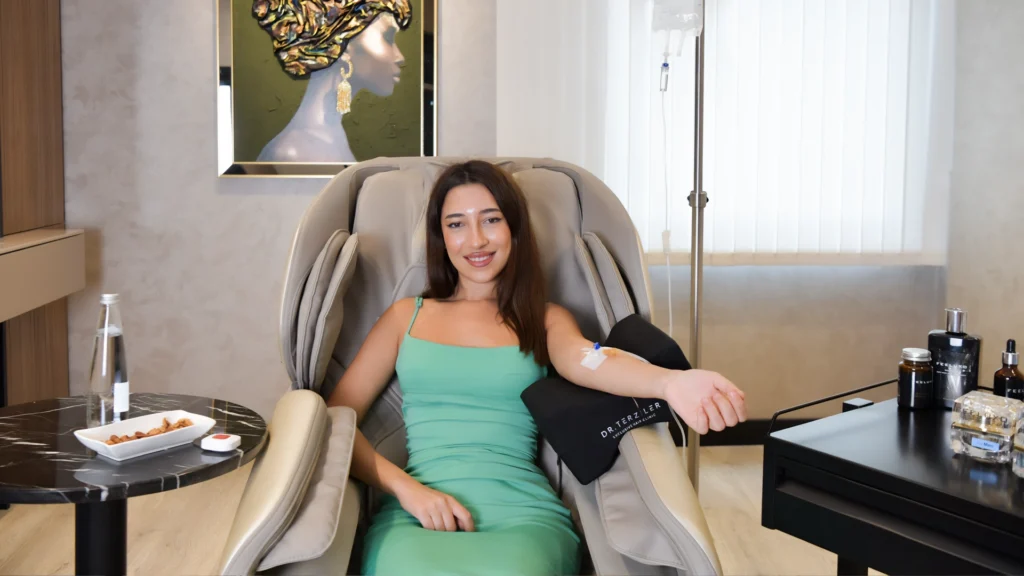
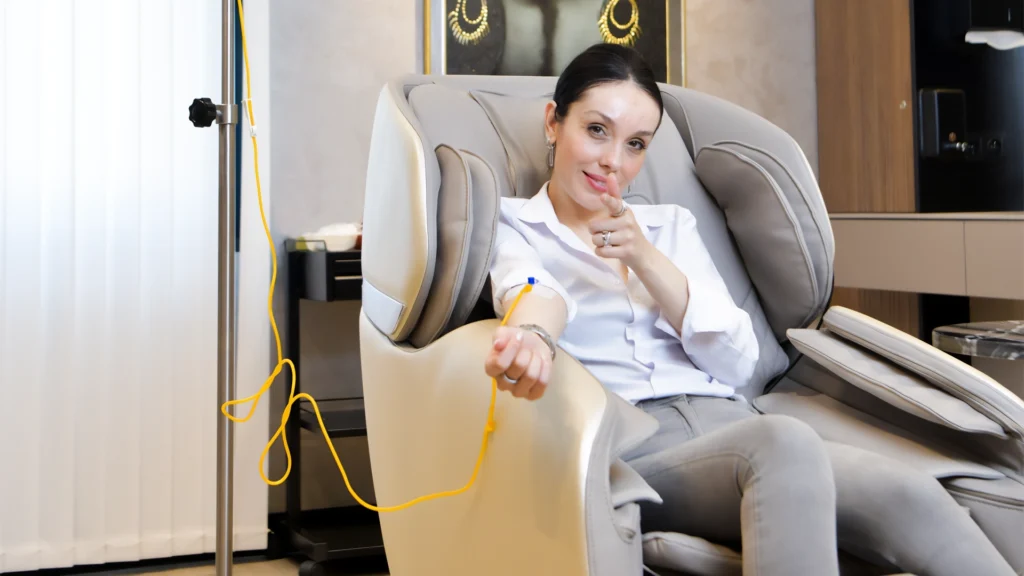
What Are the Longevity and Intravenous Treatments for a Younger Appearance?
Systemic longevity therapies work at a cellular and biochemical level. They tackle premature ageing from the inside out.
These protocols lay the foundation for a more youthful-looking complexion throughout the entire body.
1
Elixir of Youth
Our specialised intravenous treatment protocol combines micronutrients and cellular repair co-factors.
2
Glutathione + Vitamin C IV
Glutathione is the body’s most important antioxidant. When administered intravenously, it bypasses intestinal absorption, ensuring 100 per cent bioavailability. When combined with Vitamin C, it reduces oxidative stress, brightens the complexion and supports collagen synthesis.
3
Ozone Therapy
Medical-grade ozone increases tissue oxygenation and activates antioxidant enzyme systems. It is used in protocols designed to extend quality of life to reduce systemic inflammation, one of the six key factors contributing to visible ageing.
4
NAD+ Therapy
Nicotinamide adenine dinucleotide (NAD+) levels decrease by 50 per cent between the ages of 40 and 60. Intravenous NAD+ supplementation supports mitochondrial function, DNA repair and sirtuin activation; these mechanisms are directly linked to the rate of biological ageing.
5
Myers’ Cocktail
An intravenous mixture of magnesium, calcium, B vitamins and vitamin C. There is an evidence base supported by over 30 years of clinical use. It addresses micronutrient deficiencies that accelerate skin ageing, fatigue and a weakened immune system.
6
Copper Peptides
The copper peptide GHK-Cu stimulates collagen and elastin synthesis, supports wound healing and possesses antioxidant properties. It is used as both a topical and systemic anti-ageing agent.
“True rejuvenation combines cellular repair with structural support. Our aim is not to alter your identity, but to restore your biological baseline,” explains Dr Kürşat Yalvaç, Aesthetic Surgeon at Dr Terziler Medical Centre.
Are you ready to create your anti-ageing protocol?
Get a treatment plan that combines intravenous support, cellular repair and skin quality improvement, all within a single programme.
Request My Protocol
What Are Anti-Ageing Facial Rejuvenation Treatments?
Treatments aimed at achieving a more youthful appearance on the face focus on restoring lost volume and relaxing dynamic muscles. Patients often ask, “How can I look younger without my face looking artificial?”
1
Masseter Botox / Botulinum Toxin
Masseter Botox / Botulinum Toxin: Relaxes dynamic wrinkles. It is also used to slim the jawline.
Does Botox make you look younger?
Botulinum toxin injections (Botox) reduce dynamic wrinkles caused by facial muscle movements. Results become apparent within 3–5 days, peak after 2 weeks and last for 3–4 months (Carruthers JA et al., ‘A multicentre, double-blind, randomised, placebo-controlled study of the efficacy of botulinum toxin type A’, J Am Acad Dermatol. 2002;46(6):840–849. PMID: 12004307). In surveys reported by Dr Terziler’s Clinic, patient satisfaction rates exceed 90 per cent.
1
Dermal Fillers
Hyaluronic acid fillers restore lost volume. This approach yields more effective results when used in conjunction with hyaluronic acid fillers. The liquid facelift procedure results in a reduction in perceived age of 5–10 years.
2
PRP + Exosome Plasma
PRP + Exosome Plasma: PRP utilises your own growth factors to stimulate collagen production.
3
Skin Rejuvenation
Hyaluronic acid injections into the deep layers of the skin enhance hydration.
4
Mesotherapy (Anti-Ageing)
Specialised vitamin cocktails target skin radiance.
5
Stem Cell Treatments
GCell and Mesenchymal protocols stimulate tissue regeneration.
6
French Thread Lift
Fine threads instantly lift sagging tissue.
7
Skin Elixir
A special formula designed to revitalise the skin.
Are you looking for a natural-looking facial contour?
Ask how you can look fresher without changing who you are.
What Body Rejuvenation Treatments Can Help You Look Younger Than Your Age?
Anti-ageing care isn’t limited to the face. Signs of premature ageing also appear in neglected areas of the body due to thin skin and exposure to UV rays.
1
Hand Rejuvenation
Hands age rapidly. Dermal fillers and PRP restore lost volume for patients seeking an answer to the question, ‘How can I make my hands look younger?’
2
Non-Surgical Eye Area
Botox and hyaluronic acid fillers are used to smooth out wrinkles and reduce under-eye hollows.
3
Neck Rejuvenation
The neck ages 5–10 years faster than the face. Treatments for this condition include Botox injections for platysma bands.
4
Decolletage Rejuvenation
Wrinkles in the décolletage area require targeted skincare treatments incorporating anti-ageing protocols.
5
Double Chin Rejuvenation
The definition of the jawline is closely linked to a youthful appearance.
Which area makes you look older?
The hands, neck, eyes and jawline generally require different treatments. Develop a targeted plan.
Get Area-Specific Advice
Ways to Look 10 Years Younger at 40, 50 and 60: Is the Approach Changing?
Anti-ageing strategies change fundamentally in ten-year increments as hormonal changes occur. Biological needs determine the clinical plan to be followed.
40
Ways to Look 10 Years Younger at 40
By the age of 40, collagen loss becomes noticeable, but the skin responds extremely well to retinoids. Your primary focus should be on prescription retinoids, daily sun protection and skin-strengthening treatments. Patients often ask how they can look as if they were 25 at the age of 40. Hair colour (subtle highlights or a darker shade) and styling have a significant impact on perceived age. Soft layers that frame the face instantly reduce perceived age compared to straight, one-length cuts.
50
Ways to Look 10 Years Younger at 50
From the age of 50 onwards, the drop in oestrogen levels significantly accelerates skin thinning. The focus shifts towards skin-firming injections, dermal fillers and energy-based treatments.
60
Ways to Look 10 Years Younger at 60
After the age of 60, volume loss in the facial profile becomes the dominant concern. Dermal fillers and collagen stimulators aim to address this deep structural deficiency. Surgical options, such as eyelid surgery, become even more important. Posture, exercise and clothing advice to look younger can instantly add 2–3 years to your perceived age.
Does hormone therapy help you look younger?
Hormone replacement therapy (HRT) can improve skin thickness in post-menopausal women. A randomised controlled trial found that oestrogen therapy increased dermal collagen by 6.5 per cent within six months. Visible skin improvement is a secondary benefit of HRT. The tendency to look younger in late menopause confirms this link to oestrogen.
Would you like a personalised plan for the next ten years?
Ask which steps are most important for your 40s, 50s or 60s.
How Can Men Look 10 Years Younger?
Men’s skin is 25 per cent thicker than women’s, but it thins much more rapidly after the age of 40 (Shuster S, Black MM, McVitie E, Br J Dermatol. 1975;93(6):639–643. PMID: 1220811). The basic rules for men to look younger are similar to those for women. Men need to use SPF regularly, as well as retinoids and hyaluronic acid. The rate of sun protection among men is critically low. Whilst only 56 per cent of men report using sun cream regularly, the figure for women is 78 per cent; and usage drops sharply after the age of 45 (Linos E et al., ‘Sunscreen Use and Cancer, Melanoma, and Non-melanoma Skin Cancer’, Arch Dermatol. 2012;148(4):458–463. PMID: 22213238; American Academy of Dermatology, 2020 National Sun Protection Survey).
HAIR
Changes in hair density affect the perceived age of men.
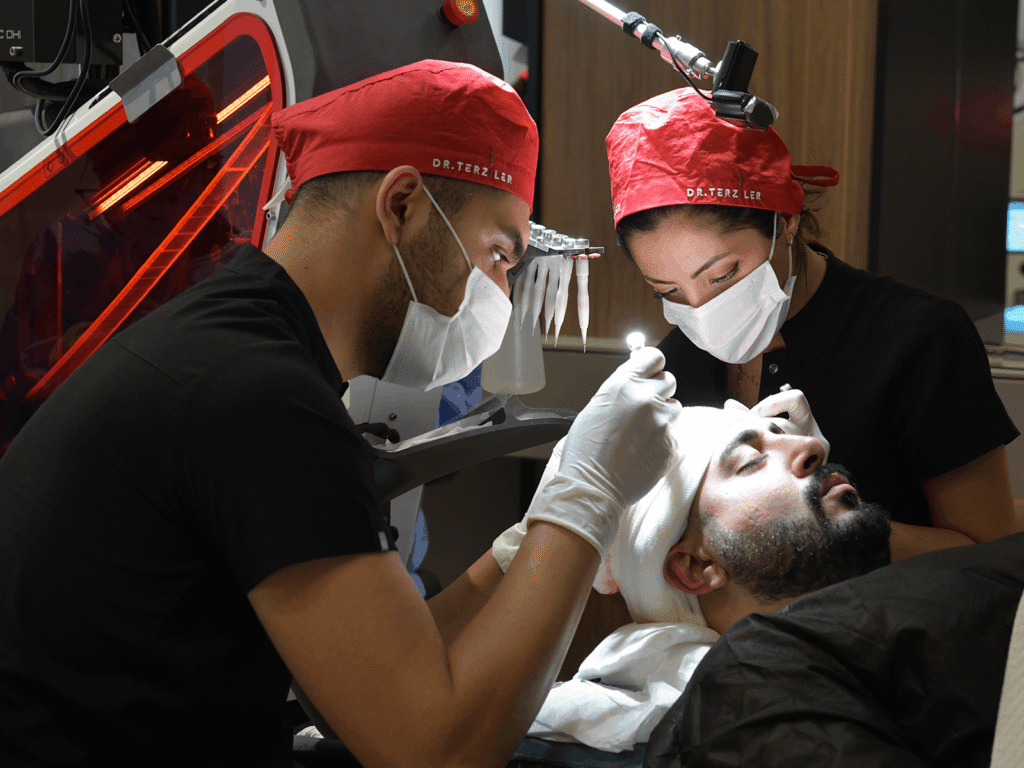
Hair density plays a very significant role in men’s perceived age. Perceived age is reduced by 5–10 years with modern hair transplant techniques (DHI/FUE).
Are you looking for an anti-ageing care plan for men?
Combine skin, hair density, jawline and longevity indicators into a single personalised assessment.
Request a Plan Tailored for Men
How Long Does It Take to Look 10 Years Younger?
Biological restoration requires strict and realistic timelines. Meaningful rejuvenation takes weeks, not days.
| Treatment | Timeline | Notes |
| Botox | Duration of effect: 3–5 days. Peak effect: 2 weeks. Duration: 3–4 months | Fastest results from injections |
| Skin firming | Initial effect: 2–3 weeks. Full effect: after 2–3 sessions (6–10 weeks). | Compatible with dermal fillers. |
| Mesotherapy | 4–8 weeks. 3–6 sessions are required for lasting results. | Patients tend to underestimate this. |
| Exosome therapy | 4–8 weeks. Cell regeneration continues for up to 12 weeks after the session. | Information timeline |
| French Thread Lift | Immediate mechanical lifting. Collagen remodelling: 3–6 months | Two-stage results |
| Vitamin C serum | Visible radiance: 8–12 weeks at a concentration of 15–20 per cent. | Supports DIY methods. |
| Improved sleep | Dark circles under the eyes: 2–4 weeks. Structural repair: increases over time. | The quickest lifestyle change |
| Giving up smoking | Improvement in skin tone: 4–8 weeks. Collagen renewal: 3–6 months. | High confidence rating |
30D
Are you wondering, “What’s the secret to looking 20 years younger in 30 days?”
To be honest: no single treatment can achieve this in 30 days. Fillers and Botox provide the fastest visible results; within 2 weeks. Everything else takes at least 6–12 weeks. Meaningful and lasting rejuvenation requires regular treatment or lifestyle changes over 3–6 months. This timeline is actually good news, as it means the results are long-lasting.
Are you looking for realistic timelines and pricing?
Set a clear timeline before booking anything.
Get my timeline
Why do thousands of people choose Istanbul for anti-ageing treatments every year?
Anti-ageing treatments in Turkey are 60–70 per cent cheaper than equivalent procedures in the UK or the US, without any compromise on clinical standards. This affordability is combined with top-tier clinical efficiency.
AA
AAACI accreditation
AAACI accreditation: demonstrates that the same safety standards expected in Western Europe are met.
3D
Competence
Efficiency: Patients combine facial rejuvenation, PRP and intravenous anti-ageing protocols in a 3–4-day session.
TR
Medical infrastructure
Medical infrastructure: Istanbul ranks among the top 10 medical tourism destinations worldwide (Medical Tourism Quality Alliance, Global Medical Tourism Destinations Report, mtqua.org, 2024).
DT
Details of Dr Terziler
Dr Terziler’s credentials: AAACI-accredited, ISHRS-trained team, Longevity expertise, inventor of Robotic DHI.
Dr Terziler’s Longevity Reset programme measures whether you are biologically younger. The programme includes a genetic analysis examining between 750,000 and 3 billion variants.
Each result is interpreted by a clinical team, including a dietitian and a fitness coach with expertise in genetics. Single-variable analysis produces statistically misleading risk figures. Dr Terziler, however, assesses the whole picture.
BIOGRAPHY
Work with biology, not against it.
Don’t fight biology to look younger; work with it. The greatest benefits come from eliminating accelerators (UV rays, smoking, sugar) and restoring the signals your skin needs (retinoids, sleep, professional treatments when you’re ready).
Are you planning a visit to Istanbul?
Ask the team which treatment combinations can be applied in a single effective session.
Frequently Asked Questions
– Does losing weight make you look younger?
Losing weight can make you look younger by reducing facial puffiness. However, rapid weight loss increases the risk of sagging skin. Gradual weight loss (0.5–1 kg per week) minimises the risk of adding years to your jawline.
+ Why do I look younger than my age?
You may be wondering why you look younger than your peers. This is due to genetic and epigenetic factors. A higher natural collagen density, low UV exposure and not smoking all help to maintain a youthful appearance.
+ What is the term for looking younger than your age?
In clinical dermatology, looking younger than your age is referred to as a ‘low biological skin age’. In everyday language, it is described as ‘graceful ageing’ or ‘having a youthful phenotype’.
+ Does a later onset of the menopause help you look younger?
Women who experience the menopause at a later age (after the age of 52) maintain higher oestrogen levels for a longer period. This supports skin collagen density. Studies have linked a later onset of the menopause (Callens A et al., ‘Is there hormonal skin ageing?’ Dermatology. 1996;193(4):289–294. PMID: 8939784) is associated with a slower rate of skin ageing.
+ Which skincare ingredients with anti-ageing effects actually work?
Only four ingredients have strong clinical evidence. These are tretinoin/retinoids, vitamin C (10–20 per cent), niacinamide and sunscreen. Everything else is used in addition to these key active ingredients.
Is it really possible to reverse ageing, or can it only be slowed down?
Lifestyle changes slow down future damage. Professional treatments partially reverse existing damage. Although true cellular rejuvenation is not yet clinically possible, the field of longevity medicine is advancing rapidly.
+ How can you make your face look younger without surgery?
Prescription retinoids, professional skin-rejuvenating treatments, PRP, Botox and hyaluronic acid fillers are the main non-surgical options. Non-surgical habits include daily use of sun cream, 8 hours’ sleep and the Mediterranean diet.
How can you look younger with make-up?
Use cream-based formulas and illuminating primers that provide lighter coverage. Avoid using heavy powder around fine lines. Defining your eyebrows and applying a light highlighter to your cheekbones instantly creates a youthful look.
Do hairstyles really affect your age?
Yes, significantly. Layered cuts that frame the face and fringe are associated with a more youthful appearance. Straight, heavy, one-length, and static hairstyles, on the other hand, tend to make you look older.
+ What can be done to make your hands look younger?
Apply sun cream to your hands every day. Moisturise with hyaluronic acid. Volume loss in the hands responds well to hyaluronic acid filler injections and produces results similar to those of facial treatments.
Why do Asians look younger?
East Asian skin has higher concentrations of photoprotective melanin, which delays ageing caused by UV rays. Their diets are generally rich in antioxidants, and cultural norms regarding sun protection play a major role.
+ Why do people look younger than they did 30 years ago?
This is down to a number of factors. We are more sun-conscious, we eat a healthier diet and smoking rates have fallen. Advances in non-surgical cosmetic treatments and the availability of retinoids are also changing the average appearance.
Can stress really make you look older?
Yes, chronically high cortisol levels shorten telomeres (the protective caps at the ends of DNA). Studies on carers have shown that, compared to non-carers, biological ageing is up to 10 years greater, as measured by telomere length (Epel ES et al., ‘Accelerated telomere shortening in response to life stress’, Proc Natl Acad Sci. 2004;101(49):17312–17315. PMID: 15574496).
Does drinking water make you look younger?
Adequate hydration prevents the skin from looking dull and stops fine lines from becoming more pronounced. Drinking too much water counteracts a negative effect (dehydration) rather than creating a positive structural effect.
+ Is looking young down to genetics or lifestyle?
Both. Twin studies estimate that 40–60 per cent of the variation in skin ageing is attributable to genetic factors (Gunn DA et al., ‘Perceived age, perceived personality, health and their interactions in women aged 35–70 years’, PLoS ONE. 2009; Martires KJ et al., Arch Dermatol. 2009;145(12):1375–1379. PMID: 20026844). The remaining 40–60 per cent is attributable to lifestyle factors, particularly exposure to UV radiation, smoking, sleep and diet.
References
- 1. Flament F et al. The effect of the sun on the visible clinical signs of ageing in Caucasian skin. Clin Cosmet Investig Dermatol. 2013;6:221–232.
- 2. Shuster S, Black MM, McVitie E. The effect of age and sex on skin thickness, skin collagen and density. Br J Dermatol. 1975;93(6):639–643.
- 3. Weinstein GD et al. Topical tretinoin for the treatment of sun-damaged skin. Arch Dermatol. 1991;127(5):659–665.
- 4. Hughes MC et al. Sunscreen and the prevention of skin ageing: a randomised trial. Ann Intern Med. 2013;158(11):781–790.
- 5. Oyetakin-White P et al. Does poor sleep quality affect skin ageing? Clin Exp Dermatol. 2015;40(1):17-22.
- 6. Guyuron B et al. Factors contributing to facial ageing in monozygotic twins. Plast Reconstr Surg. 2009;123(4):1321–1331.
- 7. Crane JD et al. Exercise-induced interleukin-15 is regulated by AMPK and modulates skin ageing. Aging Cell. 2015;14(4):625–634.
- 8. Carruthers JA et al. A multicentre, double-blind, randomised, placebo-controlled study of the efficacy of botulinum toxin type A. J Am Acad Dermatol. 2002;46(6):840–849.
- 9. Stevenson S & Thornton J. The effect of oestrogens on skin ageing and the potential role of SERMs. Clin Interv Aging. 2007;2(3):283-297.
- 10. Pinnell SR et al. Topical L-ascorbic acid: studies of percutaneous absorption. Dermatol Surg. 2001;27(2):137–142.
- 11. Epel ES et al. Accelerated telomere shortening in response to life stress. Proc Natl Acad Sci. 2004;101(49):17312–17315.
- 12. Linos E et al. Sunscreen use and melanoma, non-melanoma skin cancer. Arch Dermatol. 2012;148(4):458–463.
- 13. Callens A et al. Is there such a thing as hormonal skin ageing? Dermatology. 1996;193(4):289–294.
- 14. Martires KJ et al. Factors influencing skin ageing: a cohort-based study of twins. Arch Dermatol. 2009;145(12):1375–1379.
- 16. ISHRS. International Society of Hair Restoration Surgery – Practice Count and Clinical Guidelines.
- 17. Medical Tourism Quality Alliance. Global Medical Tourism Index 2024.
- 18. American Academy of Dermatology. 2020 National Sun Protection Survey – Sun protection habits.
About Dr Terziler Clinic
Located in Istanbul, Turkey, Dr Terziler Exclusive Clinic is an AAACI-accredited, high-end clinic specialising in anti-ageing, medical aesthetics, sexual health and hair restoration, offering evidence-based anti-ageing protocols to international patients.