





How to Deal with a Bald Spot: Causes and Treatments - Dr. Terziler
Are you noticing a bald patch on your scalp? Discovering a bald spot can be distressing, but understanding the causes and available treatments can help you take control of your hair loss. In this article, we'll explore the common reasons behind bald spots and the most effective solutions to restore your hair and confidence.
Table of Contents
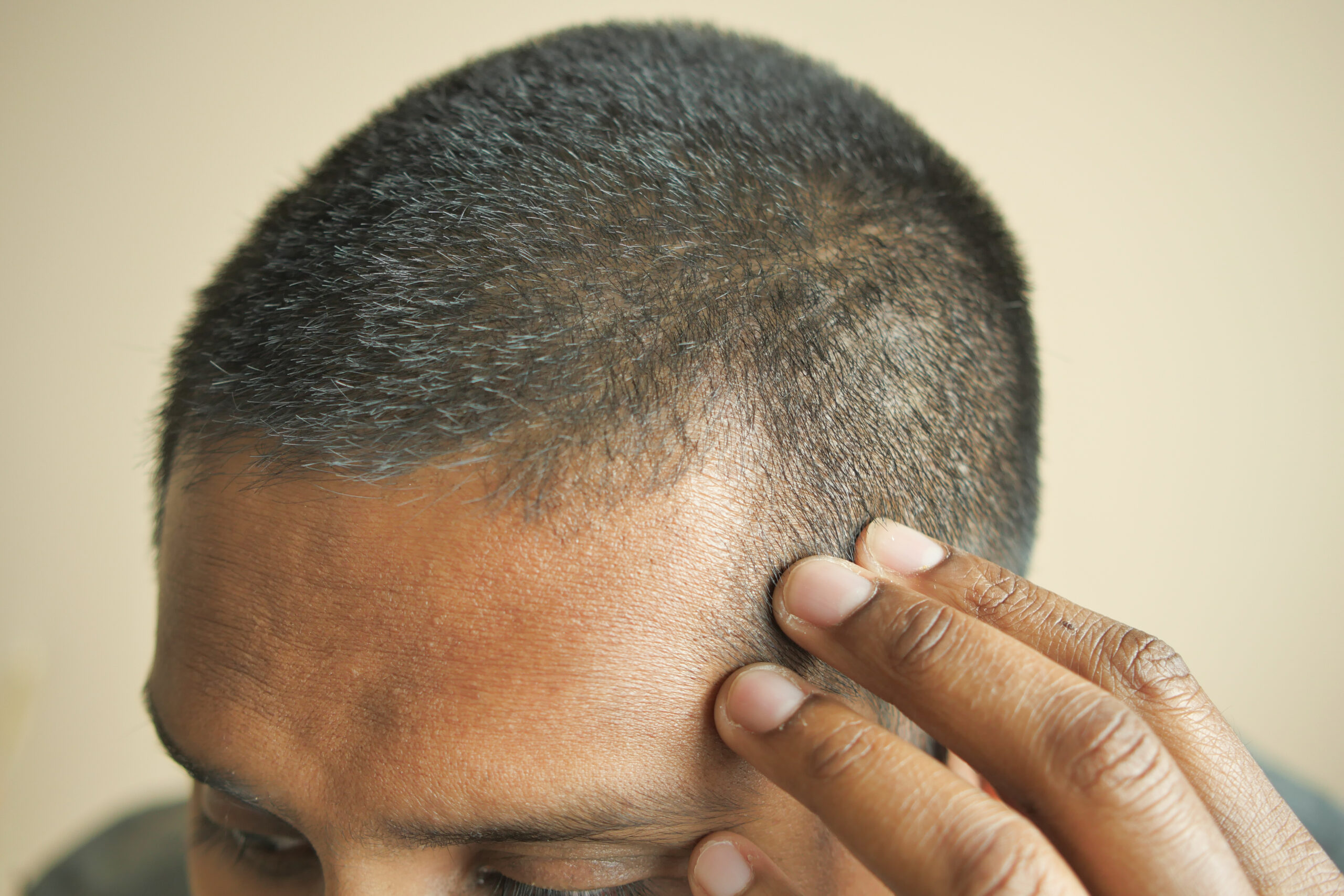
Common Causes of Bald Spots
Male Pattern Baldness (Androgenetic Alopecia): This is the most common cause in men, triggered by a sensitivity to DHT which shrinks hair follicles, typically appearing on the crown or vertex.
Alopecia Areata: An autoimmune disorder where the immune system attacks hair follicles, resulting in sudden, round or oval patchy hair loss in both men and women.
Traction Alopecia: Caused by constant tension on the hair from tight hairstyles like braids or ponytails, often leading to thinning along the hairline or temples.
Telogen Effluvium: A temporary form of hair loss triggered by stress, hormonal changes, or nutritional deficiencies, causing hair to enter the resting phase and fall out.
Effective Treatment Options
Medications: For pattern baldness, finasteride blocks DHT while minoxidil increases blood flow to nourish follicles. Consult a specialist to see if these are right for you.
Platelet-Rich Plasma (PRP) Therapy: This non-surgical option involves injecting your own platelets into the scalp to revive dormant follicles and thicken existing hair using natural growth factors.
Hair Transplant: For advanced cases, modern techniques like FUE and DHI allow for extracting healthy follicles from donor areas and transplanting them to bald spots with natural-looking results.
Lifestyle Changes: Supporting hair health through a balanced diet rich in protein and iron, managing stress through exercise, and avoiding tight hairstyles can prevent further loss.
FaQs about Bald Spots
What causes bald spots to appear?
Bald spots can result from various conditions, such as alopecia areata, male or female pattern baldness, stress, hormonal imbalances, or scalp infections. Identifying the underlying cause is key to addressing the issue effectively.
Can stress lead to bald spots?
Yes, stress is a common trigger for hair loss conditions like telogen effluvium or alopecia areata. Managing stress through relaxation techniques or therapy may help prevent further hair loss.
Are bald spots permanent?
Whether a bald spot is permanent depends on the cause. Hair lost due to alopecia areata often regrows, while loss from scarring alopecia or advanced pattern baldness may be irreversible.
Are there home remedies to treat bald spots?
Home remedies like applying onion juice, aloe vera, or essential oils (e.g., rosemary or peppermint oil) may improve scalp health and encourage regrowth, though effectiveness varies by individual.
Can bald spots spread to other areas?
In some cases, such as alopecia areata, bald spots may spread to other parts of the scalp or body. Early treatment can help manage the condition and prevent further loss.
Should I consult a doctor for a bald spot?
Yes, if you notice a bald spot, it’s advisable to see a dermatologist or trichologist. They can diagnose the cause and recommend appropriate treatments to address the issue.
Can hair transplants fix bald spots?
Hair transplants can be an effective solution for permanent bald spots caused by conditions like androgenetic alopecia. The procedure provides a long-term solution by transplanting healthy follicles to the bald area.