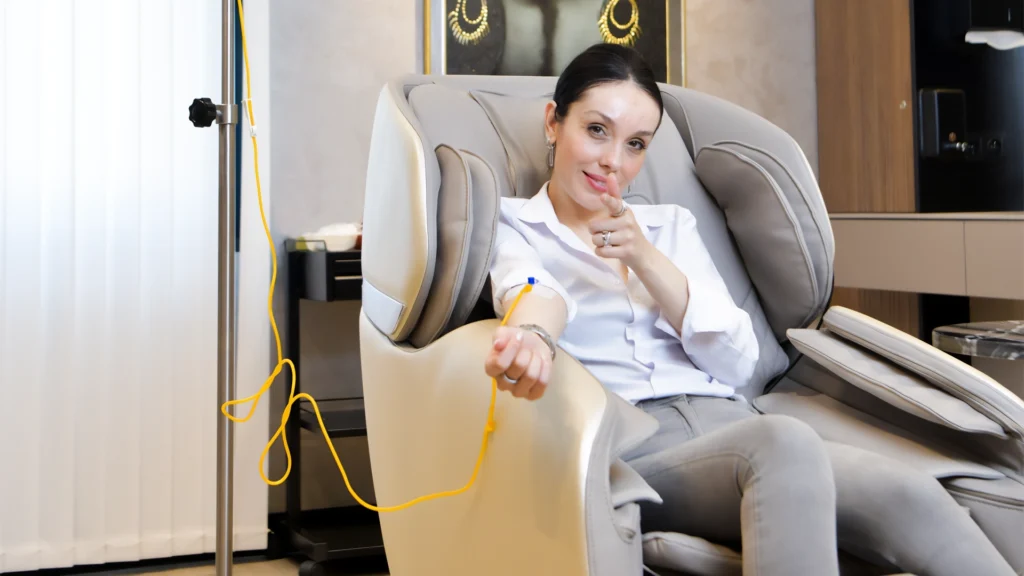
Genital Rejuvenation (Longevity): What It Is, How It Works, and Why Cellular Health Determines Your Results
Genital rejuvenation at Dr. Terziler Exclusive Clinic in Istanbul combines physician-administered laser, surgical, and injectable procedures with the Youngevity cellular protocol; addressing not only vaginal laxity, labial asymmetry, and loss of sensation, but their biological root causes: collagen gene expression, vaginal microbiome balance, and estrogen-driven tissue metabolism.

MEDICALLY REVIEWED BY
Op. Dr. Arzu Bebek
Gynecologist & Women's Sexual Health Specialist - Dr. Terziler Exclusive Clinic, Istanbul
Last updated: June 2026
Many women live for years (sometimes decades) with changes to their bodies they were told to simply accept. Vaginal laxity after childbirth. Dryness and discomfort after menopause. A loss of intimacy and confidence that medicine has historically been slow to name, let alone treat. These are not cosmetic complaints. They are physiological realities that affect quality of life, relationships, and self-perception in ways that are deeply and completely valid.
Genital rejuvenation is a medical response to documented biological changes, and when it is approached with the depth your body deserves, the results are categorically different from what a single aesthetic procedure can achieve.
TL;DR: Key Facts at a Glance
✓ Genital rejuvenation addresses laxity, dryness, asymmetry, and loss of sensation: surgically, with laser, or with injections.
✓ The most effective approach combines procedures with cellular health assessment: collagen genetics and vaginal microbiome.
✓ At Dr. Terziler Clinic, this is called the Youngevity protocol; and it is not available at any other clinic in Istanbul.
✓ Non-surgical laser sessions: no downtime. Surgical vaginoplasty: full recovery in 4–6 weeks.
✓ Istanbul cost savings: 50–70% vs US and UK, including flights and accommodation.
✓ Lead physician: Dr. Arzu Bebek, MD, Gynecology: Dr. Terziler Exclusive Clinic, Besiktas, Istanbul.
✓ Post-procedure infection rate: below 1.5%.
What Is Genital Rejuvenation?
Genital rejuvenation is a group of physician-administered procedures that restore tissue elasticity, structural integrity, and functional comfort to the female genital area. Treatments address vaginal laxity, labial asymmetry, dryness, and loss of sensation caused by childbirth, hormonal changes, or biological aging.
Unlike conventional approaches that treat only the external anatomy, genital rejuvenation at Dr. Terziler Exclusive Clinic extends to the cellular level; combining laser or surgical procedures with the Youngevity protocol, which addresses the underlying biological drivers of tissue aging: collagen gene expression, vaginal microbiome balance, and estrogen-driven tissue metabolism.
Treating the symptom produces temporary results for women’s sexual health. Treating the biological system that created it produces results that last, and that compound over time.
Not sure which genital rejuvenation option fits?
Send your symptoms, age, birth history and goals. The clinical team can guide whether laser, injectable or surgical assessment makes sense.
Ask for a Genital Rejuvenation AssessmentWho Needs Genital Rejuvenation? Causes & Candidacy
Approximately 50% of postmenopausal women experience genitourinary syndrome of menopause (GSM), characterized by vaginal dryness, irritation, and tissue thinning according to a 2022 review published by the NIH National Library of Medicine. (NIH StatPearls, 2022. ncbi.nlm.nih.gov/books/NBK560541/)
Vaginal laxity after vaginal delivery affects an estimated 30–60% of women who have given birth vaginally, according to the American Urogynecologic Society. And 43% of women report some degree of sexual dysfunction related to anatomical or tissue changes, yet fewer than 25% discuss it with a physician. (Journal of Sexual Medicine, 2021.)
Women who benefit most from genital rejuvenation include the following points.
Women who have experienced vaginal laxity after vaginal delivery one or more births
Women in perimenopause or menopause experiencing vaginal dryness, thinning, or loss of elasticity
Women with labial asymmetry or hypertrophy causing physical discomfort during exercise, intercourse, or daily activity
Women experiencing reduced sexual sensation or orgasm difficulty related to tissue changes
Women with mild-to-moderate stress urinary incontinence (leakage during coughing, exercise, or sneezing)
Women who want to address the biological aging of pelvic tissue as part of a broader longevity or wellness protocol

Candidacy for genital rejuvenation is not determined solely by anatomy. Tissue healing capacity (which directly affects how well collagen remodels after laser treatment or how completely tissues recover post-surgery) is significantly influenced by genetic factors.
Variants in the COL1A1 and COL3A1 genes (which encode Type I and Type III collagen, the structural proteins of vaginal tissue) affect baseline tissue elasticity and postoperative recovery speed. Women with specific MTHFR variants experience impaired folate metabolism, which reduces cellular repair efficiency. (Lamande SR, Bateman JF. Procollagens and quality control. Semin Cell Dev Biol, 1999.)
At Dr. Terziler Clinic, patients who opt for the Youngevity (Longevity) genetic panel receive a collagen gene assessment prior to procedure selection, allowing the physician to tailor the method and recovery protocol to the patient's actual biological profile rather than a population average.
Ask about Youngevity candidacy
Message the clinic to ask whether collagen genetics and microbiome screening should be included in your plan.
Message the ClinicWho Is Not a Candidate for Genital Rejuvenation?
Genital rejuvenation is not performed in the following cases.
Active vaginal or pelvic infection: HPV lesions, herpes outbreak, or bacterial vaginosis; infection must be treated and resolved first
Current pregnancy
Active postpartum period: minimum 6 months after vaginal delivery for surgical procedures; 3 months for laser
Active menstrual bleeding on the day of procedure
Uncontrolled autoimmune conditions that affect wound healing or tissue recovery
All patients undergo a clinical examination and complete medical history review before any procedure is confirmed. There are no exceptions to this protocol.
Need to check candidacy first?
Use the form to share infection history, postpartum timing, menopause symptoms or autoimmune history before planning any procedure.
Check My CandidacyWhat Are the Top Genital Rejuvenation Methods Available? Surgical, Laser & Injectable Comparison
Genital rejuvenation methods fall into three categories.
Surgical methods (vaginoplasty, labiaplasty) provide permanent anatomical correction in a single session under local or general anesthesia. Best for advanced laxity or asymmetry requiring structural repair.
Energy-based methods (fractional CO2 laser, radiofrequency) stimulate collagen synthesis non-invasively over 2–3 sessions. No incision, no recovery time; suitable for mild-to-moderate laxity, dryness, and early stress incontinence.
Injectable methods (PRP O-Shot, hyaluronic acid, G-Shot) target functional concerns: orgasm dysfunction, loss of sensitivity, dryness with minimal downtime. Results last 6–12 months.
At Dr. Terziler Exclusive Clinic, these methods are not mutually exclusive. Based on the patient's clinical assessment and Youngevity genetic profile, the physician may recommend a combined protocol (for example, laser plus O-Shot, or vaginoplasty plus microbiome pre-optimization) that addresses both the structural and cellular dimensions of tissue aging simultaneously.
| Method | Type | Target Concern | Sessions | Downtime | Duration of Results | Price Range (Istanbul) |
|---|---|---|---|---|---|---|
| Fractional CO2 Laser (FemiLift) | Non-surgical | Laxity, dryness, incontinence | 2–3 sessions | None | 12–18 months | €350–650 / session |
| Radiofrequency (RF) | Non-surgical | Dryness, sensitivity, mild laxity | 3 sessions | None | 9–12 months | €300–550 / session |
| O-Shot (PRP) | Injectable | Orgasm dysfunction, sensitivity | 1–2 sessions | None | 6–12 months | €400–700 / session |
| G-Shot (HA filler) | Injectable | G-spot sensitivity, sensation | 1 session | None | 4–6 months | €350–600 |
| Vaginoplasty | Surgical | Advanced vaginal laxity | 1 session | 4–7 days | Permanent | €2,200–4,000 |
| Labiaplasty | Surgical | Labial asymmetry, hypertrophy | 1 session | 4–7 days | Permanent | €1,800–3,500 |
| Combined: Laser + O-Shot | Combination | Laxity + sensation | 2–3 sessions | None | 12–18 months | €700–1,200 / cycle |
| Youngevity Add-On (Genetic + Microbiome) | Diagnostic protocol | Outcome optimization | Pre-procedure | None | Lifetime data | Included in program |
All prices are indicative 2026 ranges. Exact pricing requires consultation. Istanbul prices include clinical consultation, procedure, and 3-month follow-up. Currency exchange fluctuations apply.
Compare laser, surgical and injectable options
Send your main concern and the team can explain which method is usually assessed first.
Message the ClinicDoes Laser Vaginal Rejuvenation Actually Work? The Science Behind FemiLift and CO2
Yes, fractional CO2 laser vaginal rejuvenation clinically tightens vaginal tissue. It does so not by removing tissue, but by inducing a controlled thermal micro-injury that triggers the body's natural collagen remodeling cascade.
CO2 laser energy is delivered in fractional columns to the vaginal mucosa. Each micro-column creates a controlled injury zone surrounded by intact tissue. The body responds by producing new collagen and elastin; the proteins that give vaginal tissue its elasticity and structural support. This process, called neocollagenesis, continues for 6–12 weeks after each session, which is why results improve progressively over 3 months.
FemiLift (CO2 laser) vs. radiofrequency (RF): CO2 laser penetrates deeper into the submucosal layer and produces stronger collagen remodeling than RF, making it more effective for laxity. RF is gentler and better suited for dryness and sensitivity. At Dr. Terziler Clinic, the selection between CO2 laser and RF is based on the patient's anatomical assessment and genetic collagen profile, not cost preference.
A 71% reduction in urinary incontinence episodes and significant improvement in vaginal anatomy after 3 fractional CO2 laser vaginal rejuvenation sessions according to a 2014 prospective study by Salvatore S et al. in the European Journal of Obstetrics & Gynecology. Energy-based therapeutics produce measurable improvement in genitourinary syndrome of menopause across multiple RCT-level studies.(2017 review by Tadir Y, Gaspar A, Lev-Sagie A et al. in Lasers in Surgery and Medicine)
Want to know if CO2 laser is suitable?
A physician assessment can separate laser-responsive laxity and dryness from concerns that need surgery or microbiome preparation first.
Request Laser AssessmentIs Labiaplasty Right For You? Aesthetic and Functional Correction
Labial asymmetry and hypertrophy -where the inner labia (labia minora) extend beyond the outer labia- occur in approximately 50% of women. They are caused by a combination of genetic predisposition (labia minora size is heritable), hormonal stimulation during puberty, and minor trauma from childbirth.
Physical discomfort during exercise, cycling, or wearing fitted clothing
Pain or discomfort during sexual intercourse
Recurrent irritation or hygiene difficulty
Significant psychological distress related to appearance
Labiaplasty or Barbie Aesthetics (surgical reduction or reshaping of the labia minora) is the gold-standard correction. It is performed under local anesthesia as an outpatient procedure, with a recovery time of 4–6 weeks before return to full physical activity. For patients seeking a more refined aesthetic result, laser resurfacing can address texture, pigmentation, and minor asymmetry without surgery.
Ask about labiaplasty or Barbie Aesthetics
If discomfort, asymmetry or appearance is your concern, message the clinic for a private surgical assessment pathway.
Message the ClinicWhy Some Women Experience More Laxity: The Genetic Factor
Why do some women develop significant vaginal laxity after a single birth while others experience minimal change after multiple deliveries? The answer is not willpower or pelvic floor exercises alone, it is genetics.
Connective tissue integrity in the vaginal wall is governed primarily by Type I and Type III collagen fibers, encoded by the COL1A1 and COL3A1 genes. Women who carry specific variants in these genes produce collagen with reduced tensile strength, making their vaginal tissue inherently more prone to stretching, tearing, and slow recovery after childbirth or surgery.
Variants in the MMP1 (Matrix Metalloproteinase-1) gene regulate the rate at which collagen is broken down. High MMP1 activity accelerates connective tissue degradation with age, a process that estrogen normally suppresses but that intensifies sharply at menopause.
Two women who undergo the same laser vaginal rejuvenation protocol will have different outcomes if their collagen genetics differ. At Dr. Terziler Exclusive Clinic, patients who include the Youngevity genetic panel in their treatment plan receive a collagen-specific genetic report that informs:
Procedure selection: laser depth, session number, and energy settings tailored to individual tissue response
Recovery protocol: personalized post-procedure care based on predicted healing speed
Supplementation: whether Re-Surge cellular supplementation (120 mg hyaluronic acid + 600 mg quercetin per dose) is included to support collagen matrix repair from within
This approach does not exist at any other clinic in Istanbul. It is the difference between treating a symptom and treating the biological system that created it.
Curious about collagen genetics?
Ask whether the Youngevity genetic panel should be added before your genital rejuvenation protocol.
Ask About the Genetic PanelSource: Lamande SR, Bateman JF. 'Procollagens and quality control: the saga of misfolded collagen.' Semin Cell Dev Biol (1999). Lopez-Otín C et al. 'The Hallmarks of Aging.' Cell 153(6):1194–1217 (2013).
How Does Your Vaginal Microbiome Affect Genital Rejuvenation Results?
The vaginal microbiome (dominated in healthy premenopausal women by Lactobacillus crispatus) plays a direct role in how well vaginal tissue heals after any rejuvenation procedure.
Lactobacillus-dominant microbiomes maintain a vaginal pH of 3.8–4.5. This acidic environment suppresses pathogenic bacteria, reduces post-procedure infection risk, and supports the mucosal integrity that laser treatments depend on for collagen scaffolding. Women with microbiome dysbiosis; reduced Lactobacillus, elevated Gardnerella or Prevotella; before a procedure have measurably slower mucosal recovery and higher rates of mild post-procedure discomfort.
This is not widely discussed in aesthetic gynecology. But it should be. Vaginal microbiome composition was a significant predictor of tissue repair rate after gynecological interventions, according to a 2021 study published in Microbiome journal. (Muzny CA et al. Microbiome, 2021.) The foundational work on vaginal microbiome composition comes from Ravel J et al., 'Vaginal microbiome of reproductive-age women,' PNAS 108 (Suppl 1), 4680–4687, 2011.
At Dr. Terziler Exclusive Clinic, patients undergoing surgical or laser genital rejuvenation who include the Youngevity total microbiome panel receive a pre-procedure vaginal microbiome assessment. If dysbiosis is detected, a targeted probiotic protocol is initiated at least 4 weeks before the procedure, optimizing the healing environment before the first treatment session begins.
This is one reason our post-procedure infection rate is below 1.5%, and why we can make that claim publicly.
Prepare your microbiome before treatment
Ask how vaginal microbiome testing and probiotic preparation are used before laser or surgery.
Message the ClinicWhat Is the Genital Rejuvenation Cost in Istanbul vs US vs UK 2026?
Istanbul is one of the world's most competitive destinations for high-quality genital rejuvenation at a fraction of the cost charged in the US or UK; without compromising on medical standards. Dr. Terziler Exclusive Clinic holds an International Health Tourism Authorization Certificate from the Turkish Ministry of Health.
| Procedure | Istanbul (EUR) | United States (USD) | United Kingdom (GBP) | Istanbul Saving vs US |
|---|---|---|---|---|
| CO2 Laser (per session) | €350–650 | $1,500–3,000 | £800–1,500 | Up to 80% saving |
| Radiofrequency (per session) | €300–550 | $1,200–2,500 | £700–1,300 | Up to 78% saving |
| O-Shot (PRP injection) | €400–700 | $1,500–2,500 | £900–1,800 | Up to 72% saving |
| Vaginoplasty (surgical) | €2,200–4,000 | $6,000–12,000 | £4,000–8,000 | Up to 73% saving |
| Labiaplasty (surgical) | €1,800–3,500 | $4,000–8,000 | £3,000–6,000 | Up to 70% saving |
| Full Youngevity Combo Protocol | €3,500–6,500 | $12,000–20,000+ | £8,000–14,000 | Up to 75% saving |
All prices are indicative 2026 ranges. Exact pricing requires consultation at Dr. Terziler Clinic. Istanbul prices include consultation, procedure, and 3-month follow-up. Travel and accommodation are additional costs but patients typically achieve 50–70% total savings even when including flights and 5-star accommodation in Istanbul.
Need an exact Istanbul price?
Share the procedure you are considering and your treatment goal to receive a tailored 2026 cost estimate.
Get My Cost EstimateWhat Is The Best Genital Rejuvenation Clinic in Europe? Inside-Out Cellular Rejuvenation
The best genital rejuvenation clinic in Europe is one that combines clinical excellence with individualized biological assessment, not one that applies the same protocol to every patient regardless of their genetics, microbiome, or hormonal status.
Dr. Terziler Exclusive Clinic in Besiktas, Istanbul offers what no other European clinic currently does at scale: genital rejuvenation procedures combined with collagen gene profiling and vaginal microbiome assessment as part of the Youngevity cellular protocol.
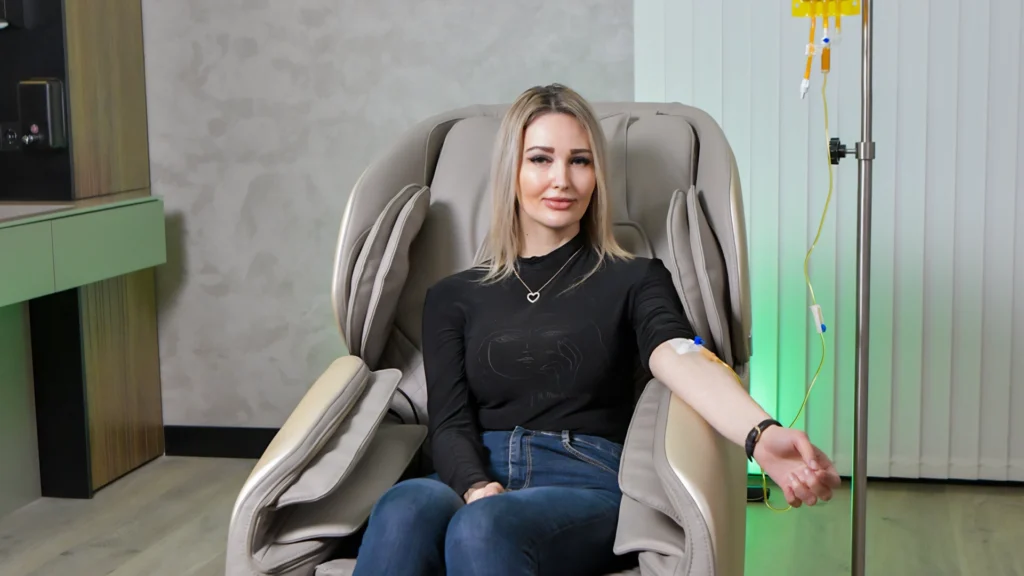
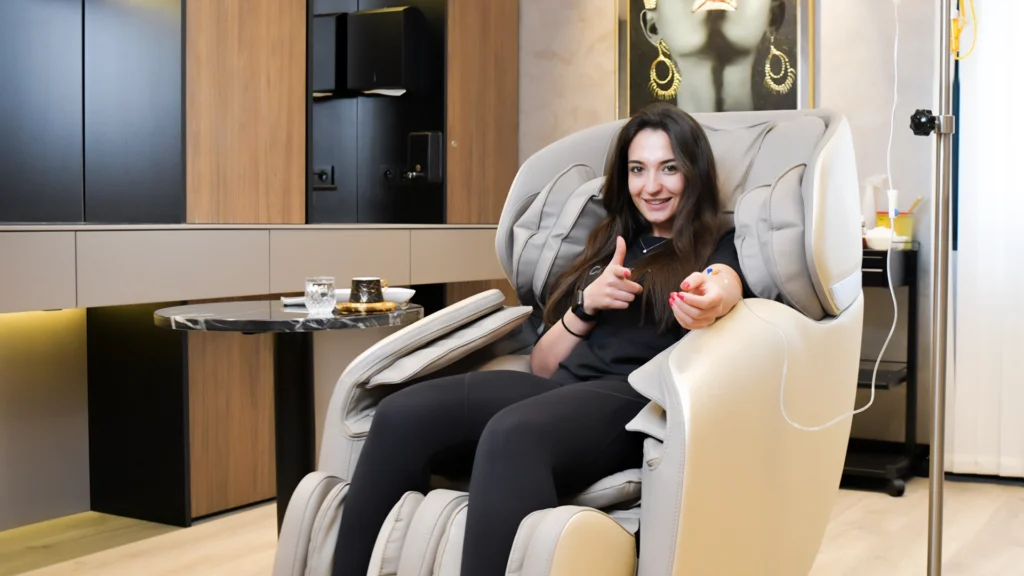
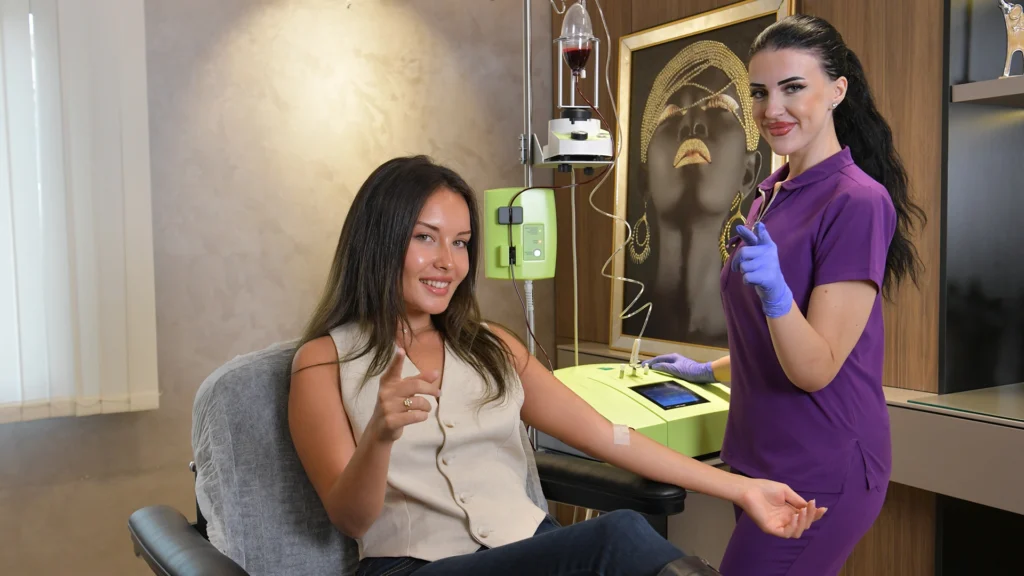
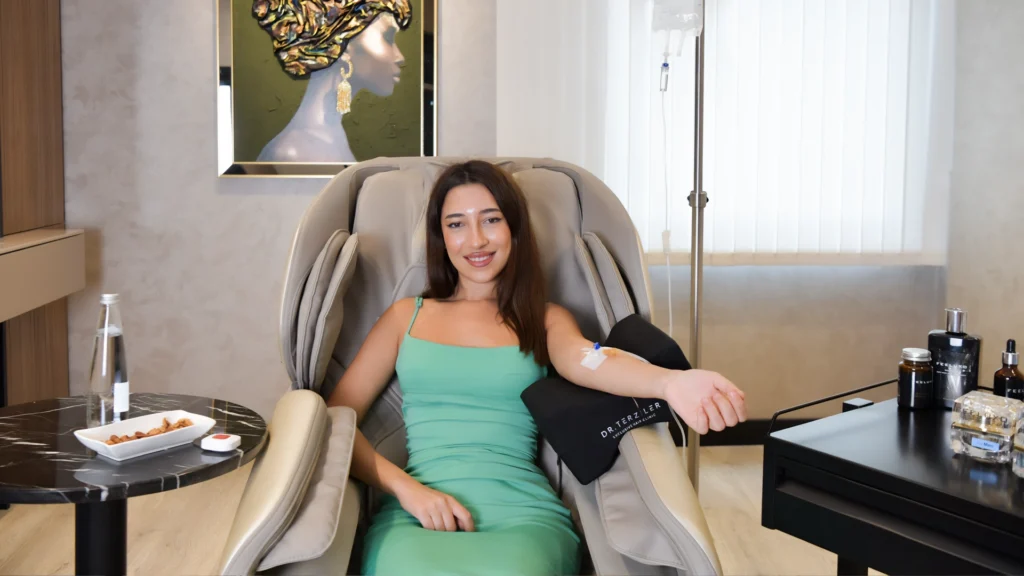
What distinguishes the clinic shown belıw.
Physician-supervised procedures: every treatment is performed by or under direct supervision of Dr. Arzu Bebek, MD, Gynecology
Genetic collagen assessment: COL1A1, COL3A1, MMP1 variants assessed pre-procedure for protocol personalization
Vaginal microbiome panel: dysbiosis corrected before laser or surgical treatment to optimize healing
Re-Surge cellular supplementation: 17 bioactive components including hyaluronic acid and quercetin for collagen matrix support
International Health Tourism Authorization Certificate: issued by the Turkish Ministry of Health
Post-procedure infection rate below 1.5%: publicly stated and clinically tracked
Both surgical and non-surgical options: all in one clinic, one team, one longitudinal record
"Most women come to us after years of living with discomfort they assumed was just part of aging or motherhood. What we offer is not an aesthetic touch-up, it is a full cellular reset of the pelvic tissue environment. When we combine laser or surgical correction with the patient's genetic and microbiome data, the results are categorically different from what a standalone aesthetic procedure achieves."
— Dr. Arzu Bebek, MD, Gynecology — Dr. Terziler Exclusive Clinic, Istanbul, Turkey
Speak with the Dr. Terziler team
Message the team about inside-out genital rejuvenation, Youngevity testing and treatment planning in Istanbul.
Message the ClinicFrequently Asked Questions about Genital Rejuvenation
Genital rejuvenation is an umbrella term for medical procedures that restore elasticity, structural integrity, and sexual function to the female genital area. It includes: fractional CO2 laser or radiofrequency treatments (non-surgical), PRP injections (O-Shot, G-Shot), hyaluronic acid filler, and surgical procedures such as vaginoplasty (vaginal tightening) and labiaplasty (labia correction). At Dr. Terziler Clinic, it may also include a cellular health assessment through the Youngevity protocol.
Yes. Laser vaginal rejuvenation has Level I evidence from randomized controlled trials supporting its efficacy for vaginal laxity and genitourinary syndrome of menopause. A 2019 meta-analysis in the Journal of Sexual Medicine reviewed 28 studies and found significant improvements in vaginal laxity, lubrication, and sexual satisfaction after CO2 laser treatment. Surgical methods (vaginoplasty) have decades of surgical outcome data demonstrating permanent anatomical correction. Results vary by individual biology, which is why pre-procedure genetic and microbiome assessment improves outcomes.
Yes. FemiLift, which uses fractional CO2 laser energy, clinically increases vaginal wall firmness by stimulating neocollagenesis; the production of new collagen fibers in the vaginal mucosa. Patients report improved subjective tightness within 4–6 weeks of their first session, with maximum effect at 3 months post-treatment. Most patients require 2–3 sessions for optimal results. Unlike vaginoplasty, the effect is not permanent and typically requires a maintenance session at 12–18 months.
Vaginal laxity has four primary causes: (1) Childbirth: particularly vaginal delivery, which stretches the vaginal canal and weakens pelvic floor muscles; (2) Estrogen decline at menopause, which reduces collagen production and thins vaginal mucosa; (3) Genetic factors, variants in collagen-encoding genes (COL1A1, COL3A1) affect baseline tissue elasticity; and (4) Biological aging, which progressively reduces tissue hydration, collagen density, and elastin fiber quality. Laxity is a multifactorial condition, not a lifestyle result.
Labial asymmetry and hypertrophy occur in approximately 50% of women. They are caused by a combination of genetic predisposition (labia minora size is heritable), hormonal stimulation during puberty, and minor trauma from childbirth. They are not abnormal. They become clinically relevant when they cause physical discomfort during exercise, intercourse, or when wearing clothing. Labiaplasty is the surgical correction; laser resurfacing can improve texture and minor asymmetry without surgery.
Genital rejuvenation is not performed in the following cases: active vaginal or pelvic infection (HPV lesions, herpes outbreak, bacterial vaginosis; treat first), current pregnancy, active postpartum period (minimum 6 months after delivery for surgical, 3 months for laser), active menstrual bleeding on procedure day, and uncontrolled autoimmune conditions affecting wound healing. All patients undergo a clinical examination and medical history review before any procedure is confirmed.
Fractional CO2 laser vaginal rejuvenation typically requires 2–3 sessions, spaced 4–6 weeks apart. A single session produces measurable collagen stimulation, but the cumulative effect of 3 sessions produces significantly stronger and longer-lasting results. Most patients notice initial improvement after session 1, with maximum effect at 3 months post-final session. A maintenance session at 12–18 months extends results without restarting the full protocol.
Non-surgical correction of vaginal laxity is achieved with energy-based devices: fractional CO2 laser (FemiLift, MonaLisa Touch) or monopolar radiofrequency. Both work by stimulating collagen remodeling in the submucosal layer without incision. Clinical improvement begins 4–6 weeks after the first session and continues for up to 3 months post-treatment. Non-surgical methods are most effective for mild-to-moderate laxity; severe laxity typically requires vaginoplasty for meaningful structural correction.
Laser treatment tightens vaginal tissue through neocollagenesis — the formation of new collagen and elastin fibers in response to controlled thermal stimulation. The laser creates microscopic injury columns in the vaginal mucosa. Surrounding intact tissue initiates a healing response, producing Type I and Type III collagen that structurally thickens and firms the vaginal wall. This is a biological repair process, not a mechanical one. Results improve over 6–12 weeks as collagen matures and cross-links.
Yes, but the mechanism depends on the complaint. For reduced sensitivity caused by mucosal thinning (common after menopause), laser treatment restores mucosal depth and nerve proximity. For orgasm dysfunction, the O-Shot (PRP injection into the clitoral complex and anterior vaginal wall) stimulates nerve regeneration and increases tissue sensitivity. For structural laxity reducing friction and sensation during intercourse, vaginoplasty or laser tightening addresses the mechanical component. A physician consultation determines which mechanism applies.
Recovery varies by method. Non-surgical laser and injection procedures require zero downtime; patients return to daily activities immediately, with sexual intercourse avoided for 5–7 days. Surgical vaginoplasty or labiaplasty requires 4–7 days rest from work, 4 weeks before returning to exercise, and 6 weeks before sexual intercourse. All patients at Dr. Terziler Clinic receive a written recovery protocol and 24-hour contact access to the clinical team.
Non-surgical procedures (laser, PRP injections) are performed with topical anesthetic cream and are not painful. Patients typically describe a mild warming sensation during laser treatment and minor pressure during injection. Surgical procedures are performed under local or general anesthesia: no pain is experienced during the operation. Post-surgical discomfort (mild soreness, swelling) is managed with prescribed analgesia and typically resolves within 3–5 days.
Fractional CO2 laser and radiofrequency treatments have demonstrated clinically significant improvement in mild-to-moderate stress urinary incontinence. The mechanism is collagen remodeling in the anterior vaginal wall and the periurethral tissue, which tightens support around the urethra. A 2014 study by Salvatore et al. in the European Journal of Obstetrics and Gynecology reported a 71% reduction in incontinence episodes after 3 CO2 laser sessions. Severe incontinence requires urogynecological evaluation.
In Istanbul, non-surgical laser vaginal rejuvenation ranges from €350–650 per session, compared to $1,500–3,000 in the US and £800–1,500 in the UK. Full surgical vaginoplasty in Istanbul ranges from €2,200–4,000, versus $6,000–12,000 in the US. Istanbul prices at Dr. Terziler Clinic include consultation, procedure, and 3-month follow-up. With return flights and accommodation, patients typically save 50–70% in total versus treatment at home.
Vaginal rejuvenation is the umbrella term for all procedures — including both non-surgical and surgical options. Vaginoplasty is a specific surgical procedure that tightens the vaginal canal by removing excess tissue and strengthening the surrounding muscles, producing permanent anatomical correction. Non-surgical rejuvenation (laser, RF) achieves similar but less dramatic results without surgery and requires periodic maintenance. The right choice depends on the degree of laxity, the patient's goals, and their collagen genetic profile.
Scientific References
All clinical claims in this article are supported by peer-reviewed literature or authoritative clinical sources. Full references are listed below.
- Salvatore S et al. 'A Prospective Study on Urinary Incontinence and Vaginal Anatomy Repair in Patients Undergoing Fractional Microablative CO2 Laser Treatment.' European Journal of Obstetrics & Gynecology and Reproductive Biology (2014). https://doi.org/10.1016/j.ejogrb.2014.02.009
- Tadir Y, Gaspar A, Lev-Sagie A et al. 'Light and energy-based therapeutics for genitourinary syndrome of menopause: Consensus and controversies.' Lasers in Surgery and Medicine (2017). https://doi.org/10.1002/lsm.22637
- Ravel J et al. 'Vaginal microbiome of reproductive-age women.' PNAS 108 (Suppl 1), 4680–4687 (2011). https://doi.org/10.1073/pnas.1002611107
- Muzny CA et al. 'The vaginal microbiome: rethinking health and disease.' Annual Review of Microbiology (2022). https://doi.org/10.1146/annurev-micro-040220-021601
- Lamande SR, Bateman JF. 'Procollagens and quality control: the saga of misfolded collagen.' Semin Cell Dev Biol (1999). https://doi.org/10.1006/scdb.1998.0269
- NIH/NLM: 'Genitourinary Syndrome of Menopause.' StatPearls (2022). https://www.ncbi.nlm.nih.gov/books/NBK560541/
- Lopez-Otín C, Blasco MA, Partridge L, Serrano M, Kroemer G. 'The Hallmarks of Aging.' Cell 153(6):1194–1217 (2013). https://doi.org/10.1016/j.cell.2013.05.039
- Bani D. 'Relaxin as a naturally occurring anti-fibrotic agent: myth or reality?' Histol Histopathol (2008). [COL1A1/COL3A1 collagen remodeling context]
- Pauls RN. 'Impact of gynecological surgery on female sexual function.' International Journal of Impotence Research (2010). https://doi.org/10.1038/ijir.2009.66
- Athanasiou S et al. 'Fractional CO2 laser for the treatment of vulvovaginal atrophy.' Maturitas (2016). https://doi.org/10.1016/j.maturitas.2016.08.003
Located in Istanbul, Turkey, Dr. Terziler Exclusive Clinic is an AAACI-accredited hair restoration, medical aesthetics, longevity, regenerative medicine and sexual health clinic. The clinic offers physician-led women's sexual health, genital rejuvenation, laser vaginal rejuvenation, surgical correction and Youngevity cellular protocols for international patients.