





A hair transplant is incredibly effective, but there is one fundamental biological truth every patient must understand: A hair transplant does not cure genetic hair loss; it simply bypasses it.
The underlying genetic trigger for male and female pattern baldness remains active in your body even after a flawless surgery. To understand why—and how you can achieve a permanently dense head of hair anyway—we have to look at the unique cellular programming of your scalp.
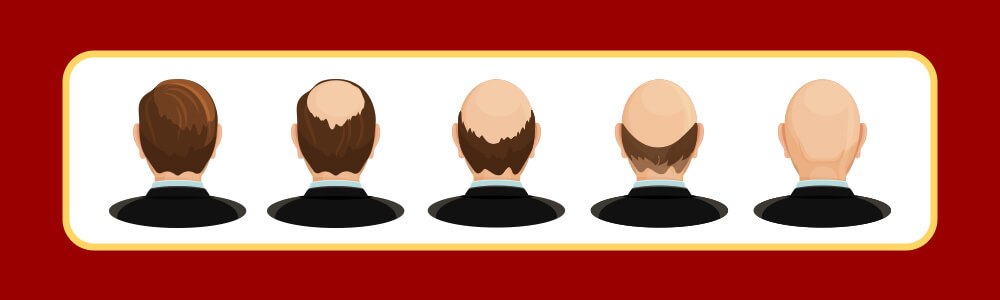
The Biology of the “Safe Zone”
Genetic hair loss, known clinically as Androgenetic Alopecia, is driven by a hormone called DHT (Dihydrotestosterone). If you are genetically predisposed to baldness, the hair follicles on your hairline, temples, and crown possess highly sensitive receptors for DHT. Over time, the hormone binds to these receptors, causing the follicles to shrink, weaken, and eventually stop producing hair entirely—a process called miniaturization.
However, the hair follicles located at the back and sides of your head (the clinical donor area or “safe zone”) are genetically programmed differently. These specific roots lack DHT receptors, making them completely immune to the effects of genetic thinning.
[DHT Hormone] ➔ Attacking Sensitive Frontal Follicles (Thinning)
[DHT Hormone] ➔ Bypassing Immune Donor Follicles (Permanent Growth)
During an advanced Sapphire FUE or Direct Hair Implantation (DHI) procedure, surgeons harvest these immune follicles and relocate them to your balding zones. Because the roots retain their original genetic memory—a principle known as donor dominance—they will continue to grow permanently in their new location, completely unaffected by DHT.
The Progressive Trap: The Hair Behind the Transplant
While your newly transplanted hairs are permanent, your native (original) hairs surrounding the transplant are not. They still carry the genetic code that makes them sensitive to DHT.
If you undergo a transplant but do nothing to address your ongoing genetic hair loss, the native hair directly behind your new, dense hairline will continue to thin and fall out over the coming years. This creates an unnatural, progressive gap, often leaving an isolated island of transplanted hair at the front of a receding scalp.
The Verdict: A hair transplant completely fixes the visible damage of genetic hair loss in a specific area, but it does not stop the ongoing progression of hair loss across the rest of your scalp.
How to Achieving Full Lifetime Stabilization
To permanently halt the visible progression of baldness and maintain a seamless blend between your native and transplanted hair, you must build a comprehensive, dual-action strategy:
1. Medical Stabilization (The Shield)
To protect your remaining native hair, you need to lower the levels of DHT circulating in your scalp or block it from binding to your native roots. This is achieved through clinical maintenance therapies:
- DHT Blockers: Prescribed medications can reduce scalp DHT levels by up to 60-70%, acting as a powerful protective shield around your native follicles.
- Topical Solutions: Specialized topical formulations can be applied directly to thinning zones to stimulate localized blood flow and prolong the growth phase of native hairs.
2. Cellular Rejuvenation (The Boost)
Supporting your scalp’s cellular health ensures that both native and transplanted follicles thrive:
- Platelet-Rich Plasma (PRP) & Mesotherapy: Routine clinical treatments inject concentrated growth factors and amino acids directly into the skin bed, strengthening weak, miniaturized roots.
- Laser Therapy (LLLT): Using low-level medical lasers stimulates cellular respiration in the follicles, encouraging thicker hair shaft production.
3. Long-Term Strategic Graft Planning
An elite surgeon never uses up your entire donor supply during your primary surgery. They carefully map your lifetime hair loss trajectory, reserving a secondary pool of healthy donor grafts. If your native hair continues to recede a decade down the line, you will have ample reserves available for a quick, high-density touch-up session.
Summary: The Dual-Action Lifespan Blueprint
| Hair Category | Genetic Sensitivity to DHT | Lifetime Survival Behavior | Required Maintenance Focus |
| Transplanted Hair | Immune (Harvested from the permanent safe zone). | Permanent (Grows naturally for the rest of your life). | Standard hair hygiene and routine trimming. |
| Native Surrounding Hair | Highly Sensitive (Genetically vulnerable to thinning). | Progressive (Will continue to fall out without treatment). | Active Prevention (Medical stabilizers, PRP, custom supplements). |
Final Thoughts: The Art of Permanent Planning
A hair transplant is a magnificent, lifetime solution for framing your face and restoring lost density—but it is a collaborative effort between surgical artistry and long-term preventative care. Expecting a transplant to instantly freeze your genetic clock without any supportive maintenance is the most common pitfall in hair restoration.
At Dr. Terziler Clinic, we don’t just design hair transplants for today; we engineer them to look flawless 10, 20, and 30 years down the road. Our expert surgeons specialize in ultra-precise Sapphire FUE and DHI Choi Pen procedures that maximize graft survival while meticulously preserving your donor bank for future security. Combined with our advanced post-operative cellular therapies and custom-tailored 12-month stabilization tracking, we ensure your new hairline stays dense and your native hair stays protected—giving you absolute, lifetime confidence.
Frequently Asked Questions (FAQ)
Will I have to take hair loss medications for the rest of my life after a transplant?
If you still have a significant amount of vulnerable, native hair on top of your head that you wish to preserve, continuing with preventative maintenance therapies (such as low-dose prescription blockers, customized vitamin supplements, or regular PRP sessions) is highly recommended. If you are already completely bald across the top of your head and only have transplanted hair remaining, no preventative medications are required, as the transplanted hair is naturally permanent.
What happens if I stop all hair loss treatments a few years after my transplant?
If you completely stop all preventative care, your transplanted hair will continue to grow perfectly, as it is genetically immune to balding. However, your surrounding native hair will resume its natural, genetically pre-programmed thinning process. Over time, this can lead to new bald spots or thinning zones developing directly behind your transplanted hairline, which may eventually require a second “touch-up” procedure.
Can a hair transplant be performed using someone else’s donor hair?
No, it is biologically impossible to use someone else’s hair for a transplant. Your immune system recognizes another person’s cellular tissue as a foreign invader. Without taking powerful, high-risk immunosuppressant drugs for the rest of your life—which are only prescribed for critical organ transplants—your body would instantly reject and destroy the foreign hair follicles.
At what age does genetic hair loss finally stop progressing naturally?
Genetic hair loss never completely stops on its own; however, the velocity of the thinning typically slows down and stabilizes significantly after the age of 35 to 40. In your late teens and 20s, hormone levels are highly volatile and hair loss can be incredibly aggressive, which is why reputable clinics focus heavily on medical stabilization before operating on younger patients.
Can stress or diet accelerate genetic hair loss after a transplant?
Extreme, prolonged physical or emotional stress and severe nutritional deficiencies can spark a temporary shedding condition called Telogen Effluvium, which forces a large percentage of hairs into a resting phase simultaneously. While this can make your scalp look temporarily thinner, it does not permanently change your underlying genetic blueprint or damage your transplanted roots, which will regrow normally once the underlying stressor is resolved.